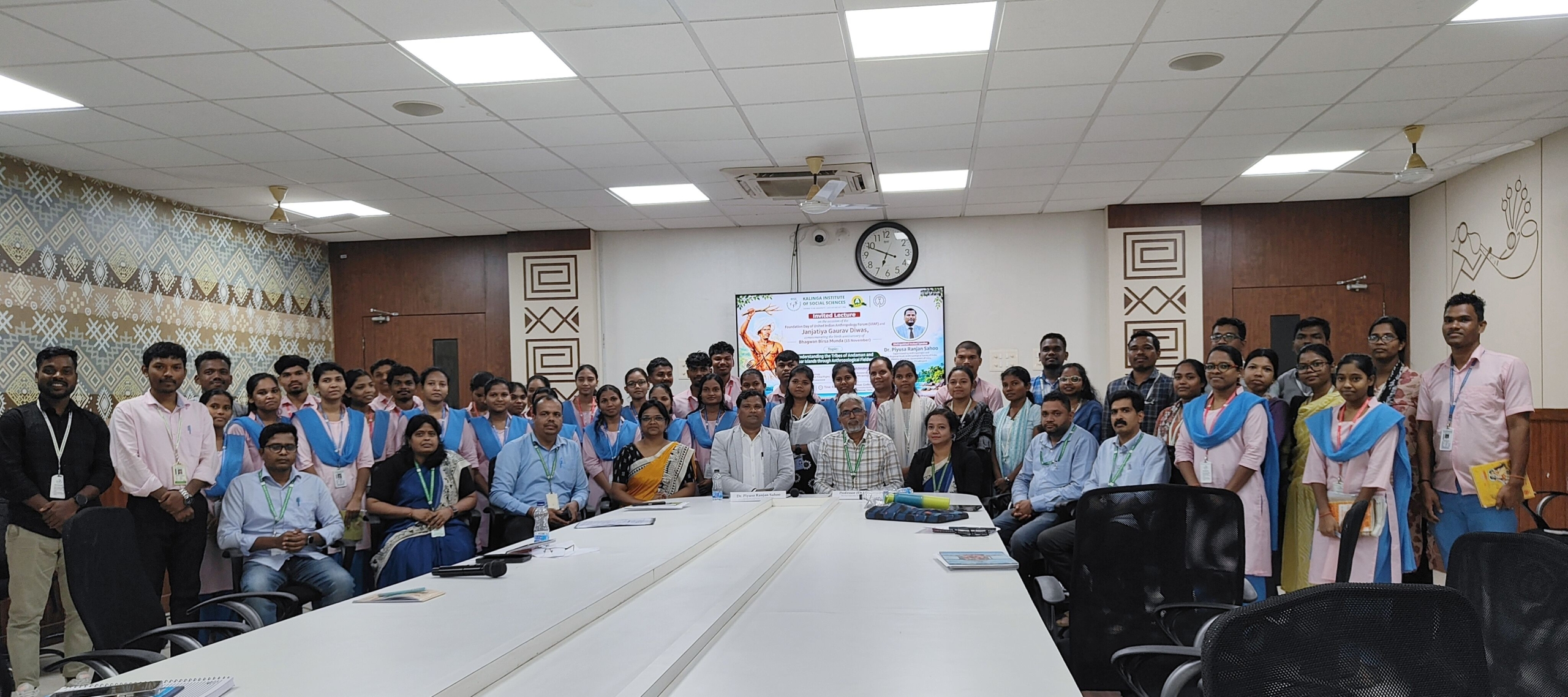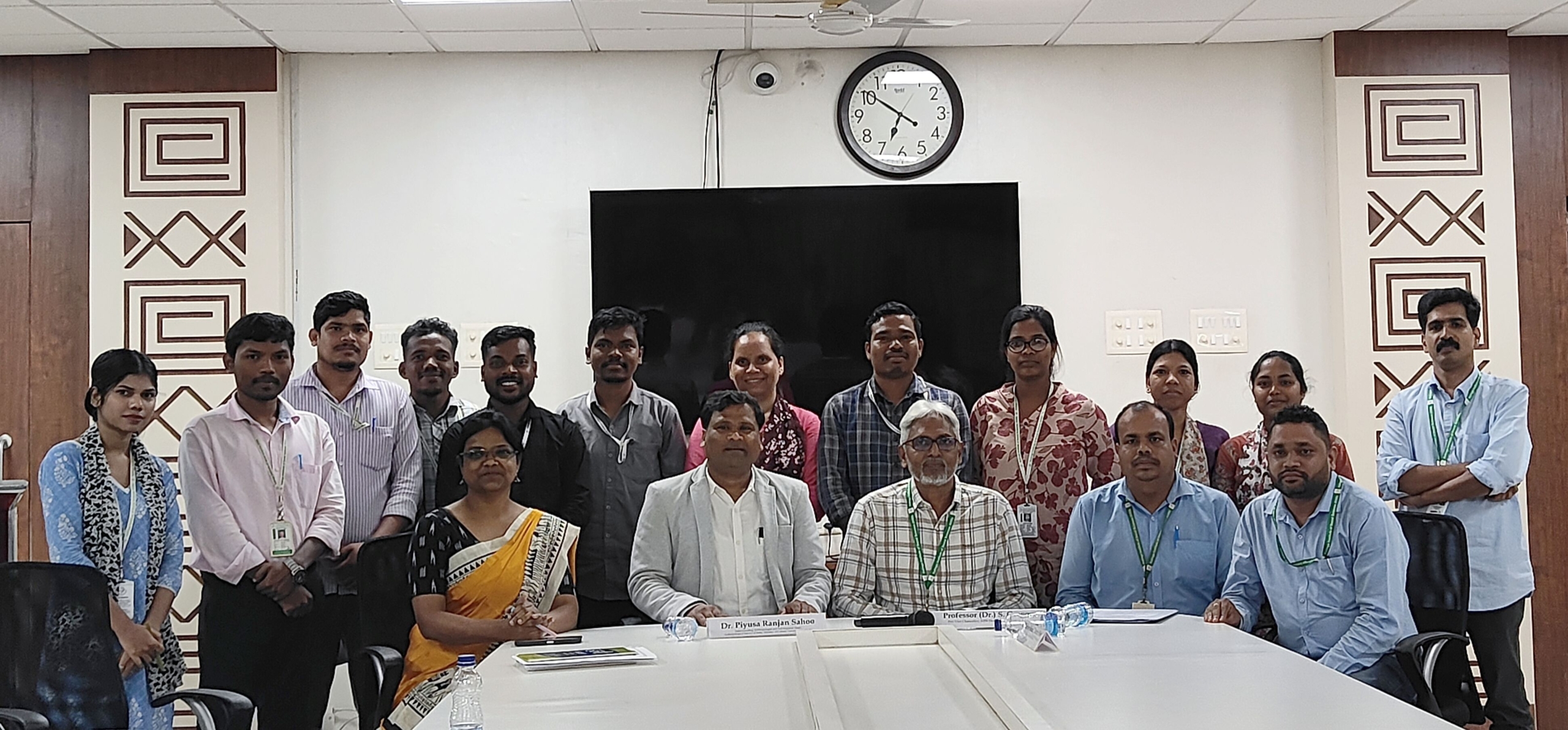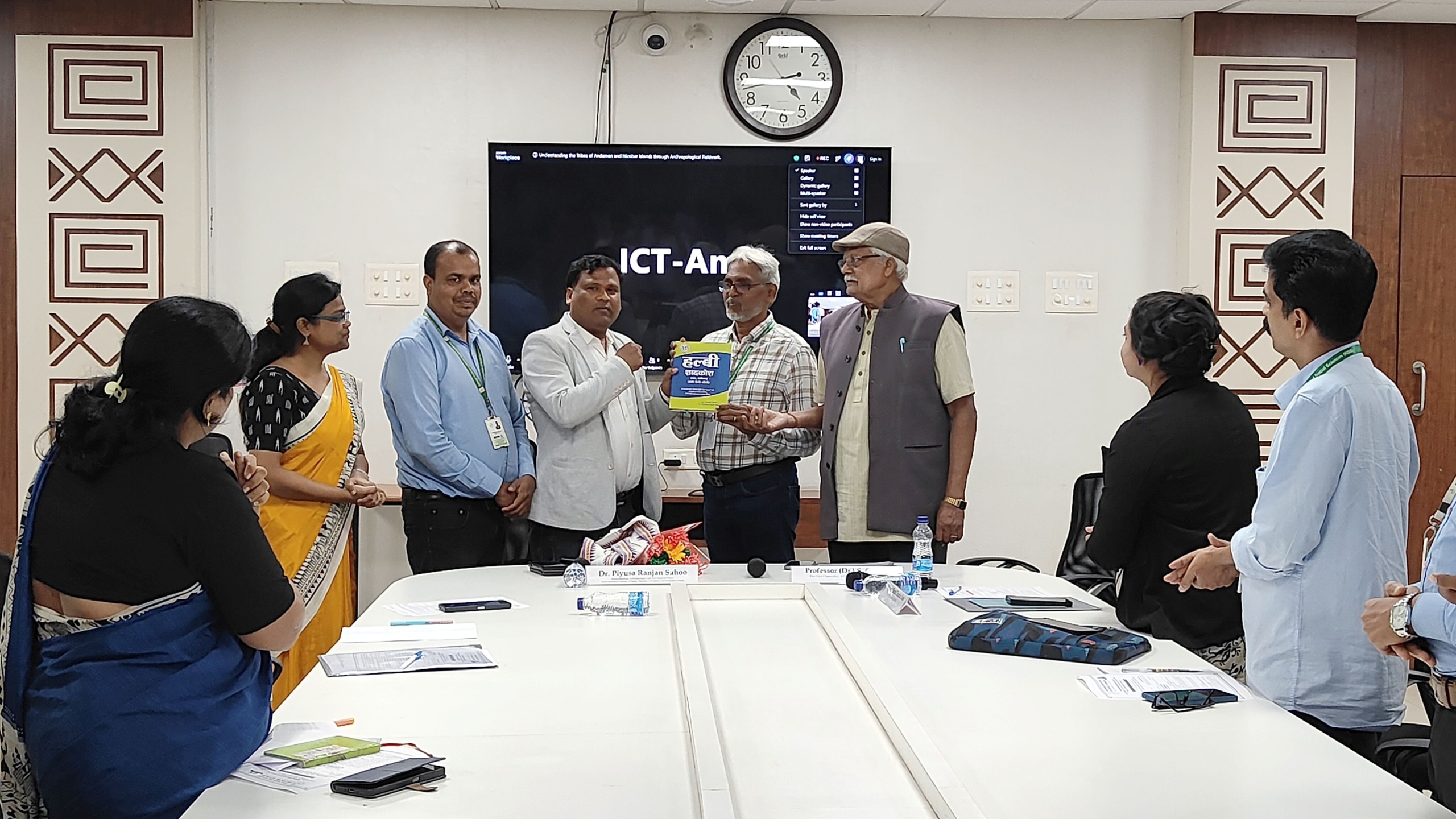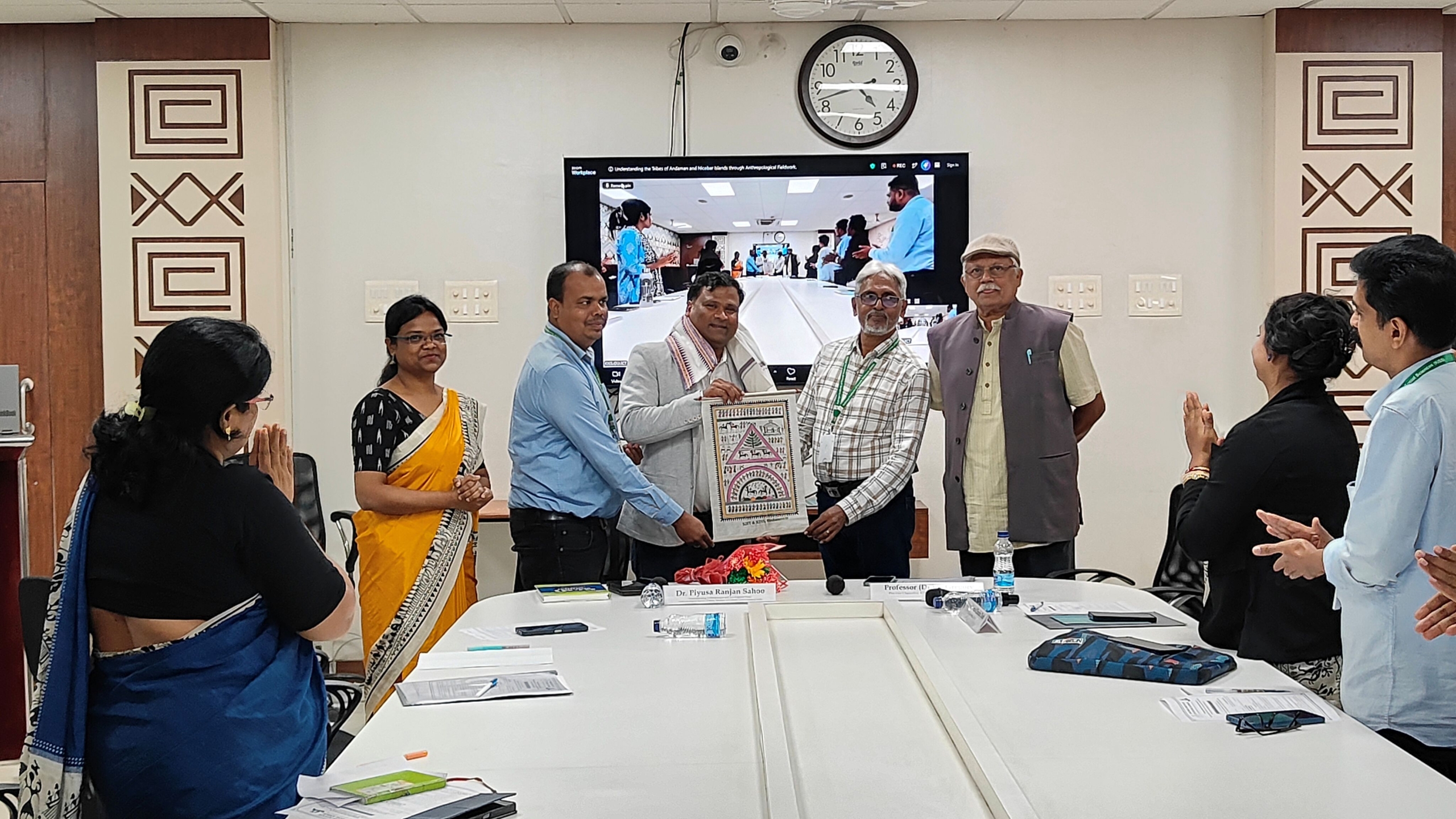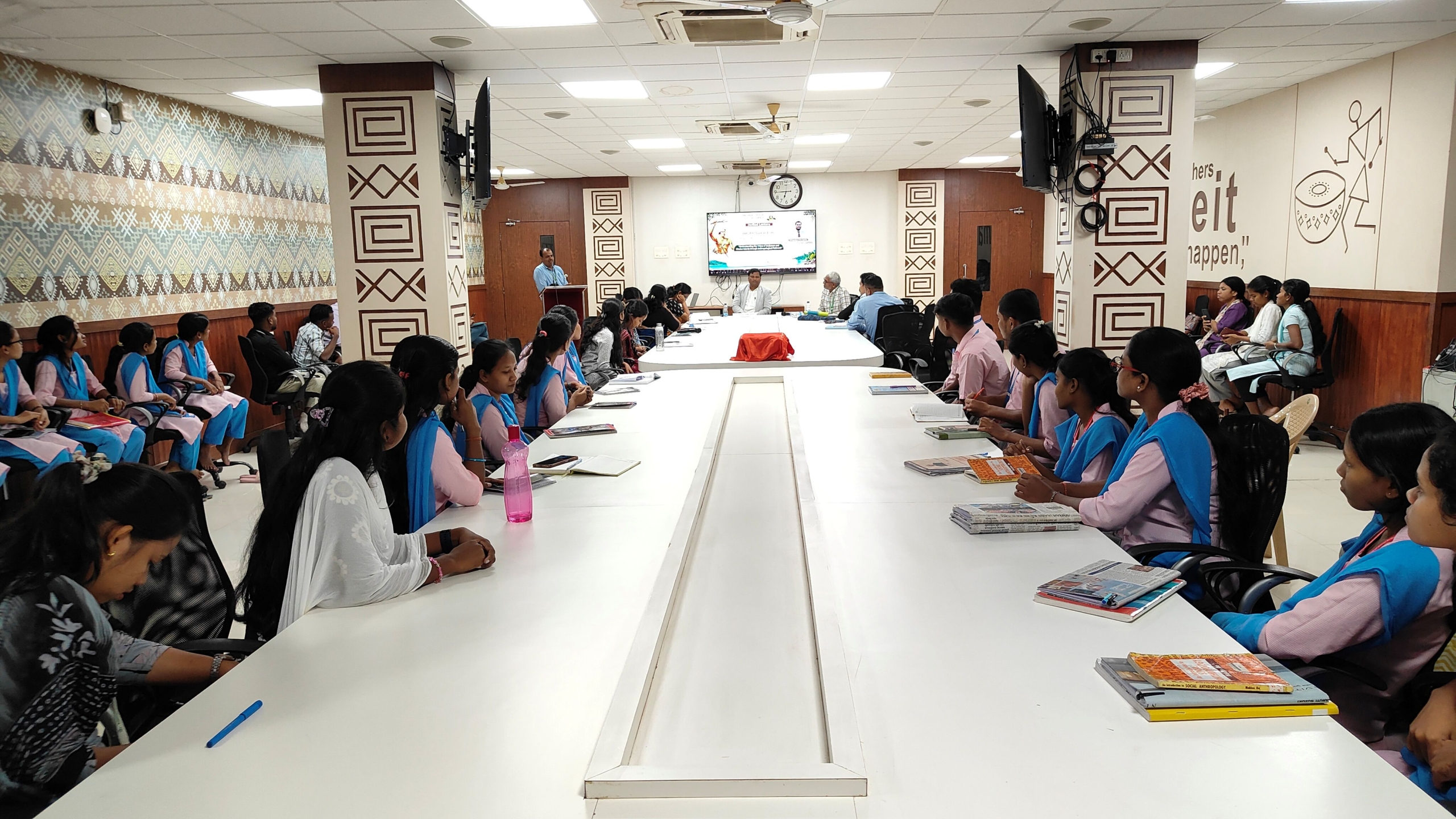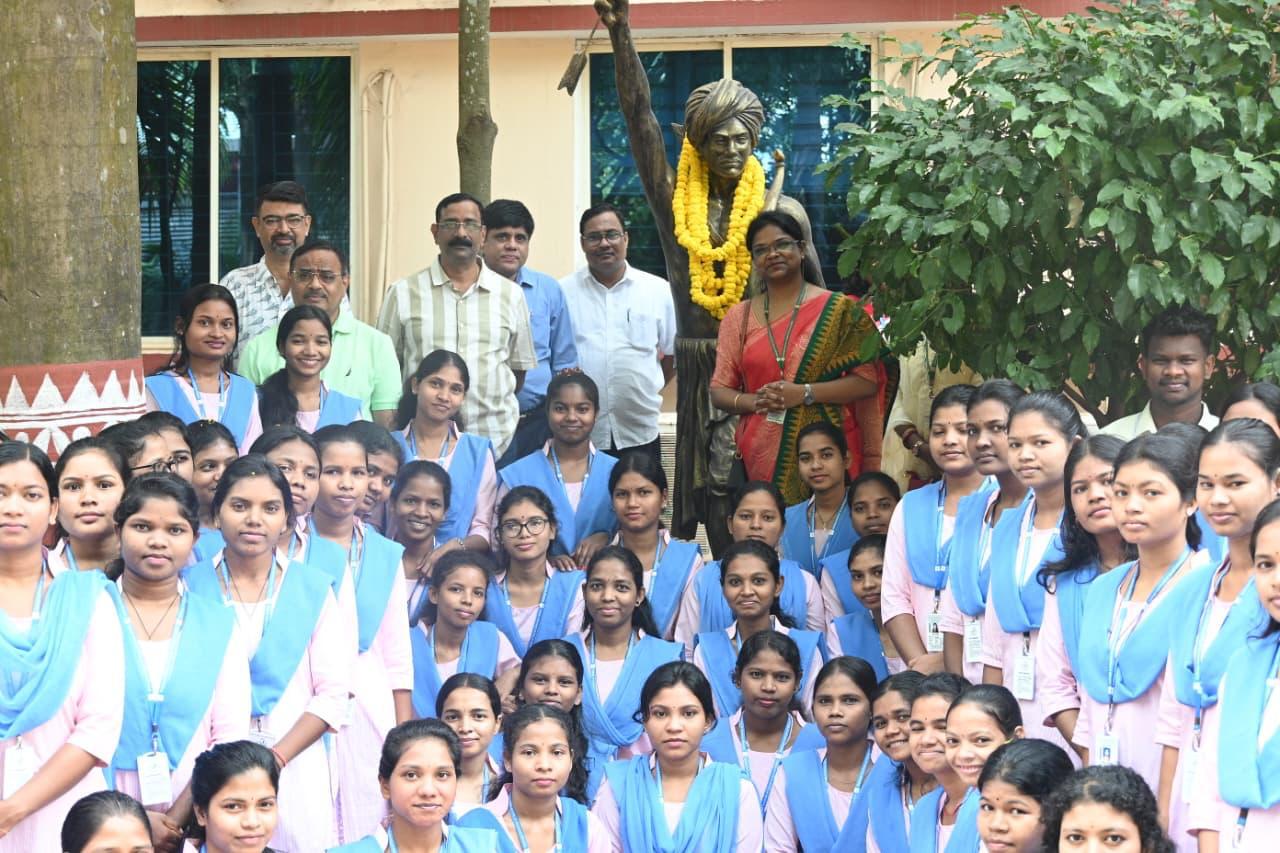
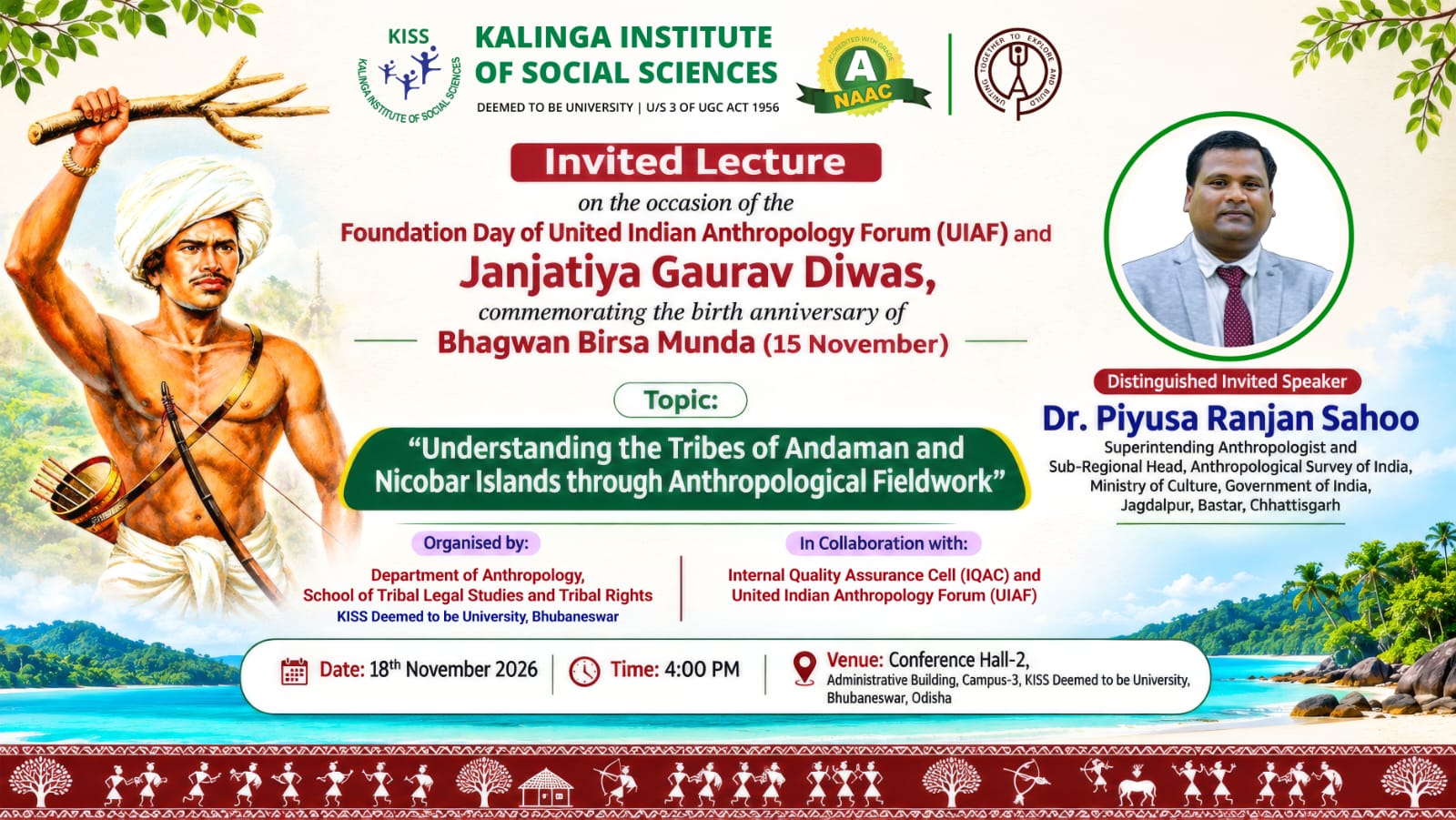
The Department of Anthropology, School of Tribal Legal Studies and Tribal Rights, Kalinga Institute of Social Sciences (KISS) Deemed to be University, in collaboration with the Internal Quality Assurance Cell (IQAC), KISS-DU and the United Indian Anthropology Forum (UIAF), jointly organised a distinguished invited lecture on 18th November 2026. The programme marked the Foundation Day of UIAF and was also held in the context of Janjatiya Gaurav Diwas, commemorating the birth anniversary of Bhagwan Birsa Munda. Dr. Piyusa Ranjan Sahoo, Superintending Anthropologist and Sub-Regional Head, Anthropological Survey of India, Ministry of Culture, Government of India, Jagdalpur, Bastar, Chhattisgarh was invited as the esteemed resource person.
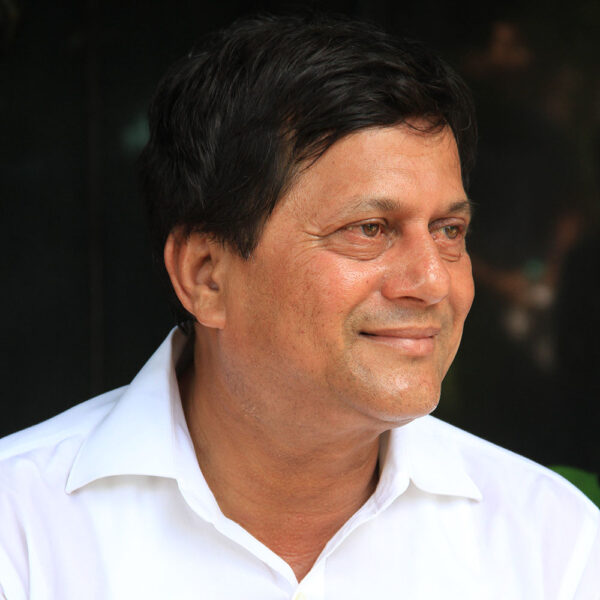
Prof. (Dr.) S. Gregory, Pro-Vice Chancellor, KISS-DU, delivered the Welcome Address and greeted the resource person, faculty members, research scholars and students. Dr. Arpana Premi Lina Oraon, Associate Professor and Dean, School of Tribal Resource Management, and Director (Research), KISS-DU, introduced the resource person. While introducing the resource person, she highlighted his achievements and said that Dr. Piyusa Ranjan Sahoo is a Superintending Anthropologist and Sub-Regional Head of the Anthropological Survey of India, Ministry of Culture, Government of India, Jagdalpur, Bastar, Chhattisgarh. He has worked in the Andaman Islands for approximately seven years and continues to visit the islands to maintain continuity in his research. His field experience formed the basis of the lecture and provided participants with insights into long-term anthropological fieldwork.
In the context of Janjatiya Gaurav Diwas, Dr. Sahoo began by discussing the life and contributions of Bhagwan Birsa Munda. He referred to Birsa Munda’s early education, social and religious reforms, service to humanity, opposition to colonial injustice and leadership of the Ulgulan (Great Rebellion). He highlighted Birsa Munda’s efforts to preserve tribal culture, traditional knowledge and ethnomedicine, and his resistance to exploitation and assimilation by outsiders, referred to as Dikus, under colonial land, forest and taxation policies. Dr. Sahoo provided an overview of India’s tribal diversity, referring to approximately 730 notified Scheduled Tribes and 75 Particularly Vulnerable Tribal Groups (PVTGs), including 13 PVTGs in Odisha. He emphasised that fieldwork, cultural sensitivity and multidisciplinary perspectives are essential for understanding tribal communities and formulating approaches to holistic social development.
While throwing light on the Tribes of the Andaman and Nicobar Islands the resource person explained that only some of the Andaman and Nicobar Islands are inhabited and noted that Port Blair, now known as Sri Vijaya Puram, is often described as “Mini India”. He introduced the major indigenous communities of the islands, including the Great Andamanese, Jarawa, Onge, Sentinelese, Shompen and Nicobarese, and discussed their distinct cultural, linguistic and geographical characteristics.
Addressing the relationship between Anthropology and Archaeology, Dr. Sahoo discussed the Out of Africa theory, possible routes of early Homo sapiens into the Indian subcontinent along river systems, and the early isolation of Andaman populations. He also referred to ongoing research on the origins and migration of the Kandha communities of Odisha and their possible links with Bastar. He emphasised that interpretations of origins and migration must be supported by evidence from linguistics, archaeology, rock art, genetics and core cultural traits rather than speculation. He further cautioned that the Paleolithic, Mesolithic and Neolithic periods did not necessarily occur in a uniform sequence across all societies.
Dr. Sahoo described the Jarawa as traditionally nomadic hunter-gatherers whose livelihoods depend on forest and marine resources. Their subsistence activities include hunting, gathering, fishing and collecting resources from coastal areas and tidal creeks. He highlighted their indigenous ecological knowledge, particularly their understanding of the environment, navigation and management of natural risks.
The resource person stressed the importance of learning indigenous languages and recording words and expressions directly from community members. He shared examples of words recorded through interactions with Jarawa children to illustrate that indigenous communities are important sources of knowledge. He also critically examined earlier ethnographic practices, particularly photography undertaken without adequate regard for privacy and dignity. He urged researchers to place informed ethical consideration, respect and community dignity at the centre of anthropological documentation.
Dr. Sahoo discussed the severe population decline experienced by the Great Andamanese following British contact. He explained that unfamiliar diseases, to which the population had limited immunity, caused substantial mortality. Colonial settlement, administrative expansion and penal institutions, including the Cellular Jail, also contributed to displacement and disruption of cultural continuity.
The lecture included a discussion of traditional methods of oil extraction. Dr. Sahoo pointed out similarities between technologies practised in the Nicobar Islands and those found in tribal regions of Odisha, including Koraput, Kalahandi, Malkangiri and Nabarangpur. These similarities, he suggested, offer scope for comparative anthropological research on indigenous technologies and knowledge systems.
The discussion also addressed the colonial-era migration of Munda, Oraon and Ho communities to the islands and the formation of the community commonly identified as the Ranchi people. In response to a question on what mainstream society could learn from indigenous communities about sustainability and community living, Dr. Sahoo referred to their health practices, food habits, ecological knowledge, community relationships, cultural values and respect for elders. He advocated mutual learning, cultural respect and a balanced approach that recognises the value of indigenous knowledge while acknowledging that some practices may change over time.
In his Concluding Remarks, Professor Nirmal Chandra Dash, Professor Emeritus, KISS-DU, described the lecture as an outstanding exposition of Anthropology in practice. He observed that Anthropology is not merely the narration of facts or description of communities, but involves understanding, respecting and engaging with people and their lived experiences. He encouraged Dr. Sahoo to compile his fieldwork experiences into a series of volumes or a single volume comprising several chapters. He also highlighted the emotional and anthropological significance of a poem written by the speaker from the perspective of indigenous communities.
Prof. (Dr.) S. Gregory, Pro-Vice Chancellor, KISS-DU, thanked the resource person for devoting considerable time to the interaction. He appreciated the attentive participation of the audience for more than three hours and expressed the hope that Dr. Sahoo would visit the university again.
Dr. Manoranjan Mohapatra, Assistant Professor and Head, Department of Anthropology, KISS-DU, proposed the vote of thanks. He expressed sincere gratitude to the resource person for sharing his valuable field experiences and academic insights. He also thanked the Pro-Vice Chancellor and university authorities, Prof. Nirmal Chandra Dash, faculty members, organisers, research scholars, students and supporting staff for their cooperation and participation in making the programme successful.
The invited lecture provided a valuable opportunity for students, research scholars and faculty members to engage with field-based anthropological knowledge and the lived experiences of indigenous communities in the Andaman and Nicobar Islands. It highlighted the centrality of ethical fieldwork, indigenous languages, cultural sensitivity and community dignity in anthropological research. The programme also connected the academic celebration of the UIAF Foundation Day with the spirit of Janjatiya Gaurav Diwas, reinforcing the importance of tribal identity, cultural heritage and rights.