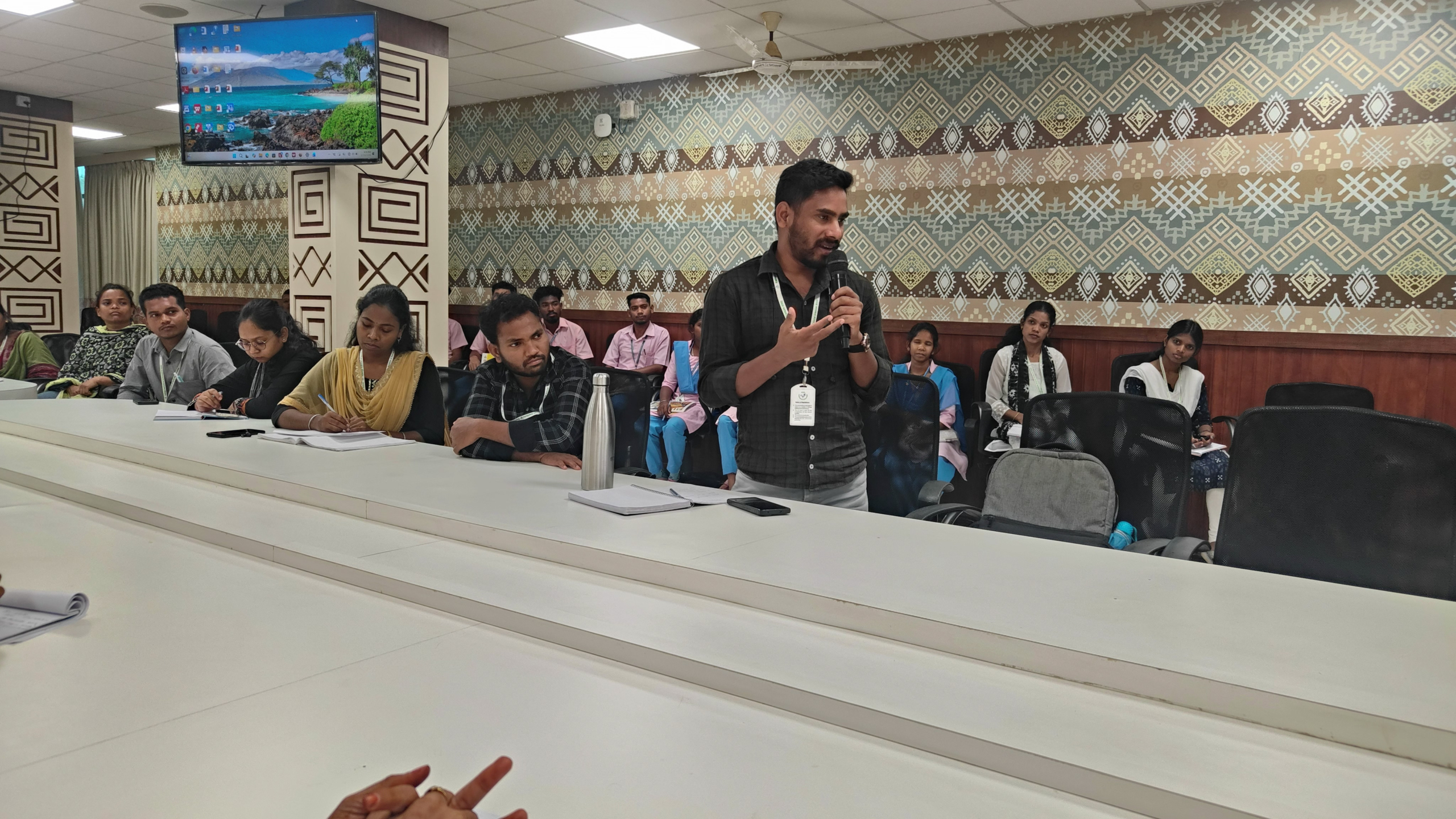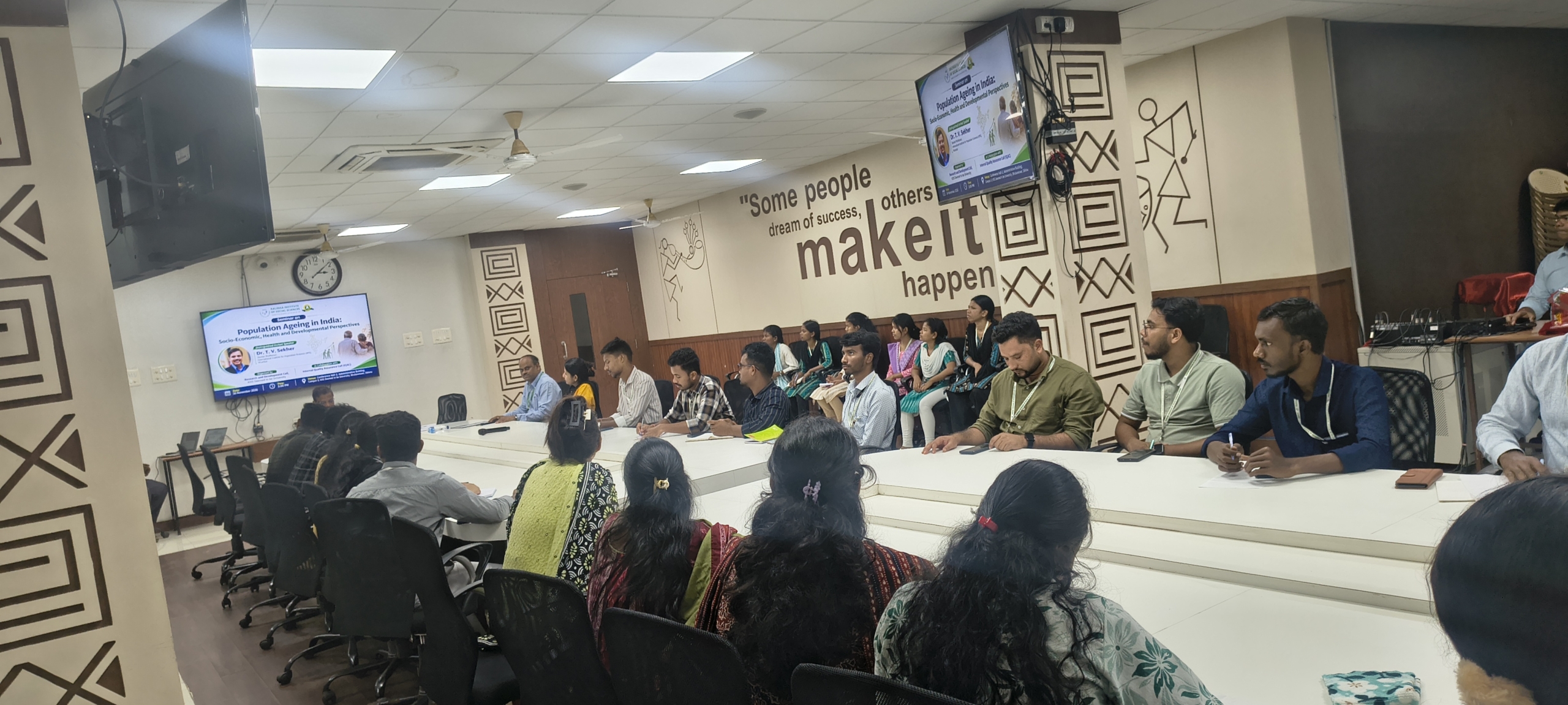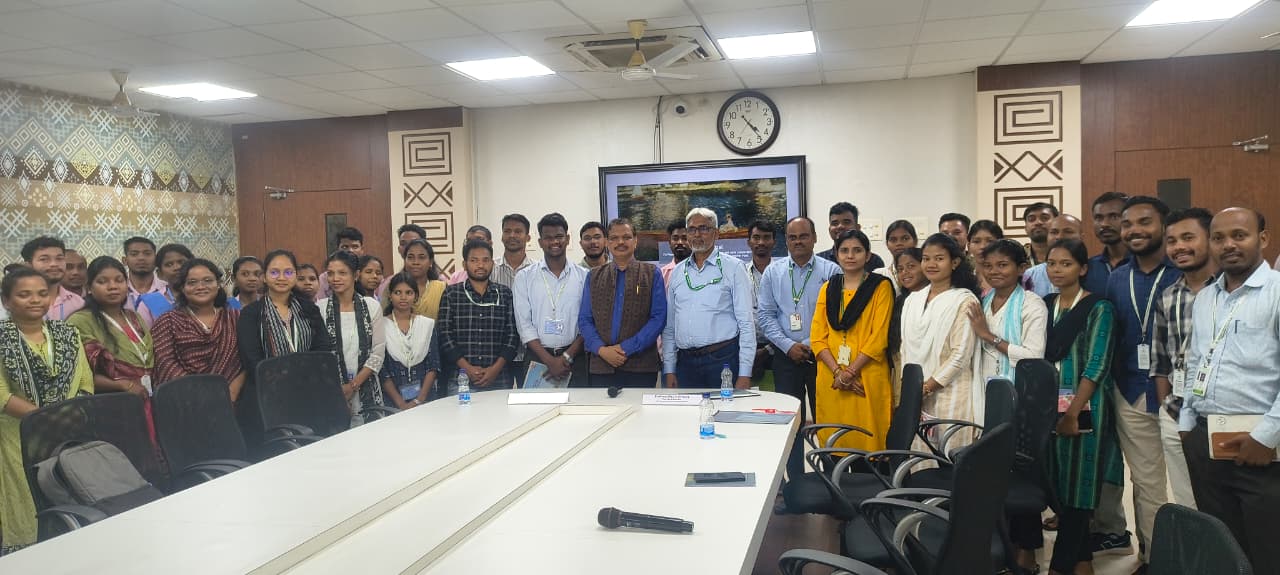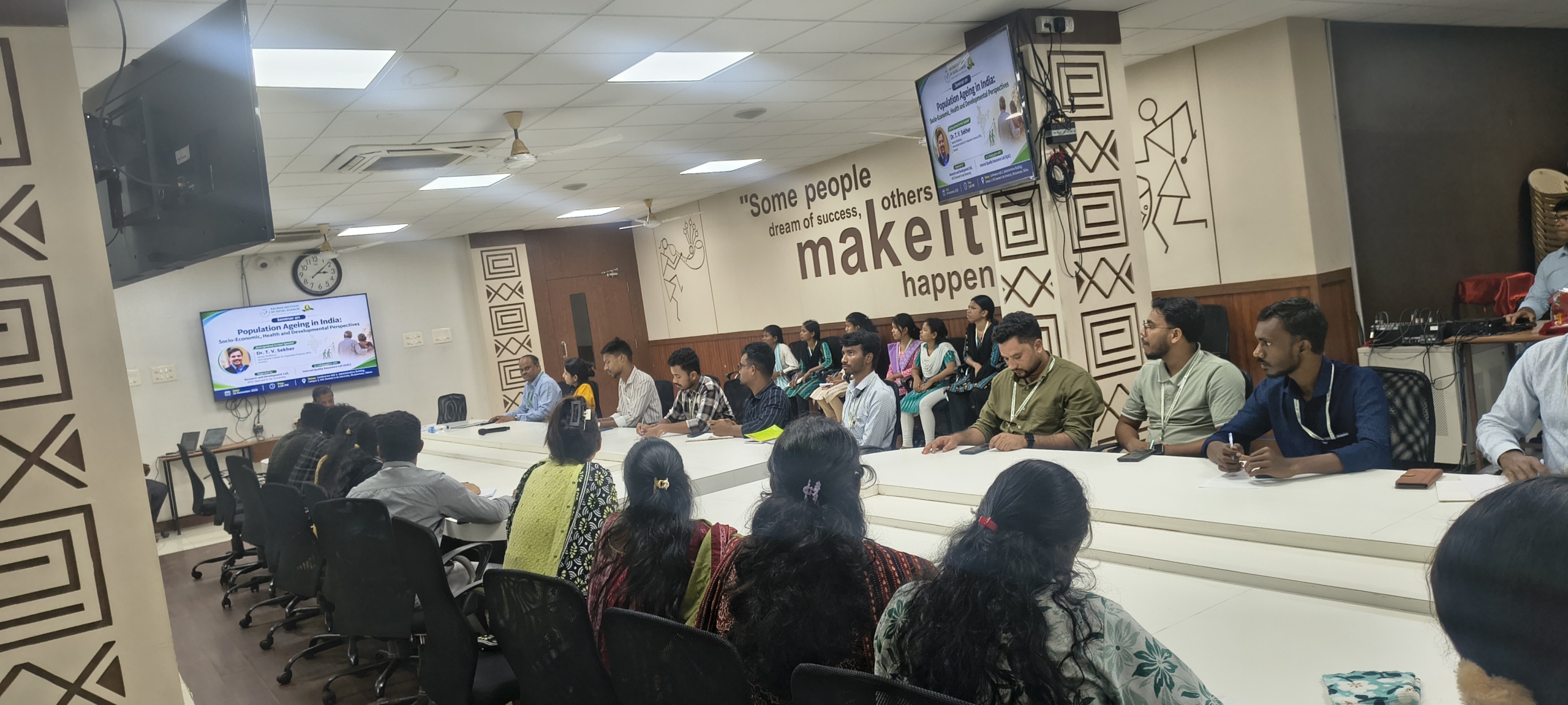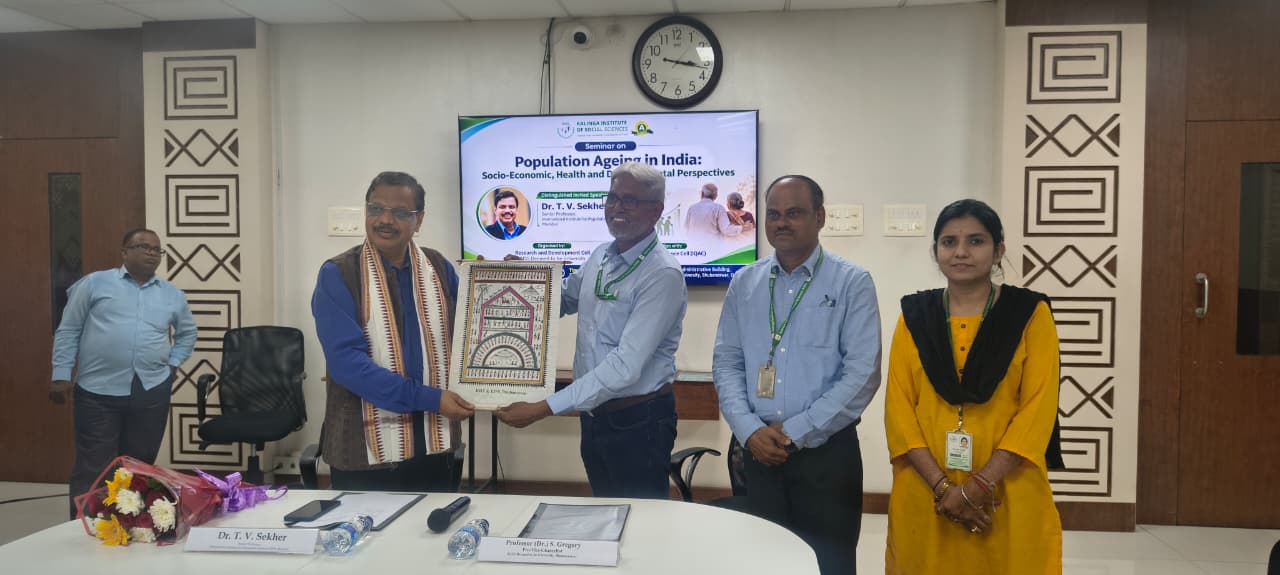
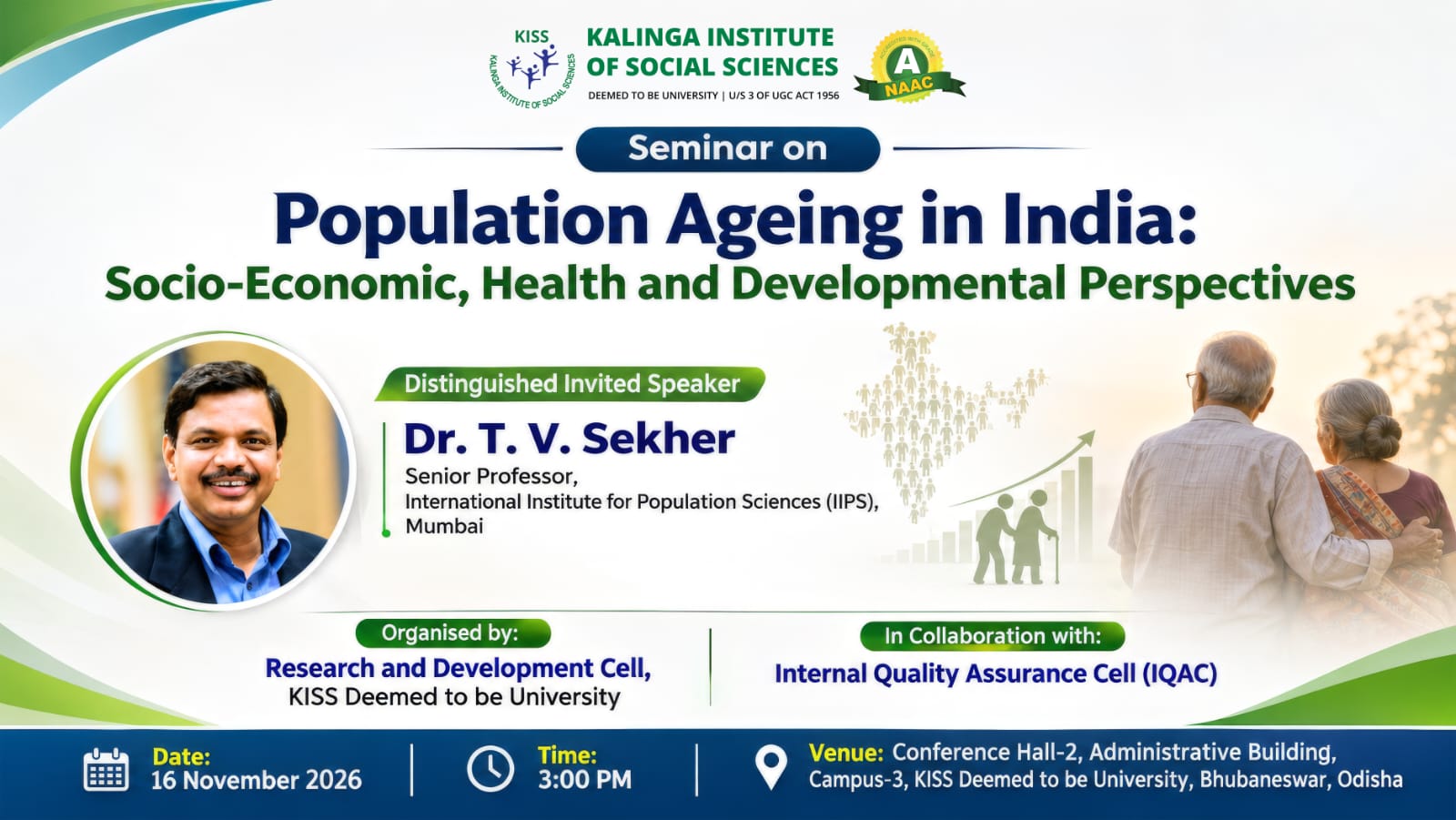
A seminar on “Population Ageing in India: Socio-Economic, Health and Developmental Perspectives” was organised on 16th November 2026 by the Research and Development Cell, Kalinga Institute of Social Sciences (KISS), Deemed to be University, in collaboration with the Internal Quality Assurance Cell (IQAC). The seminar featured Dr. T. V. Sekher, Senior Professor, International Institute for Population Sciences (IIPS), Mumbai, as the distinguished invited speaker.
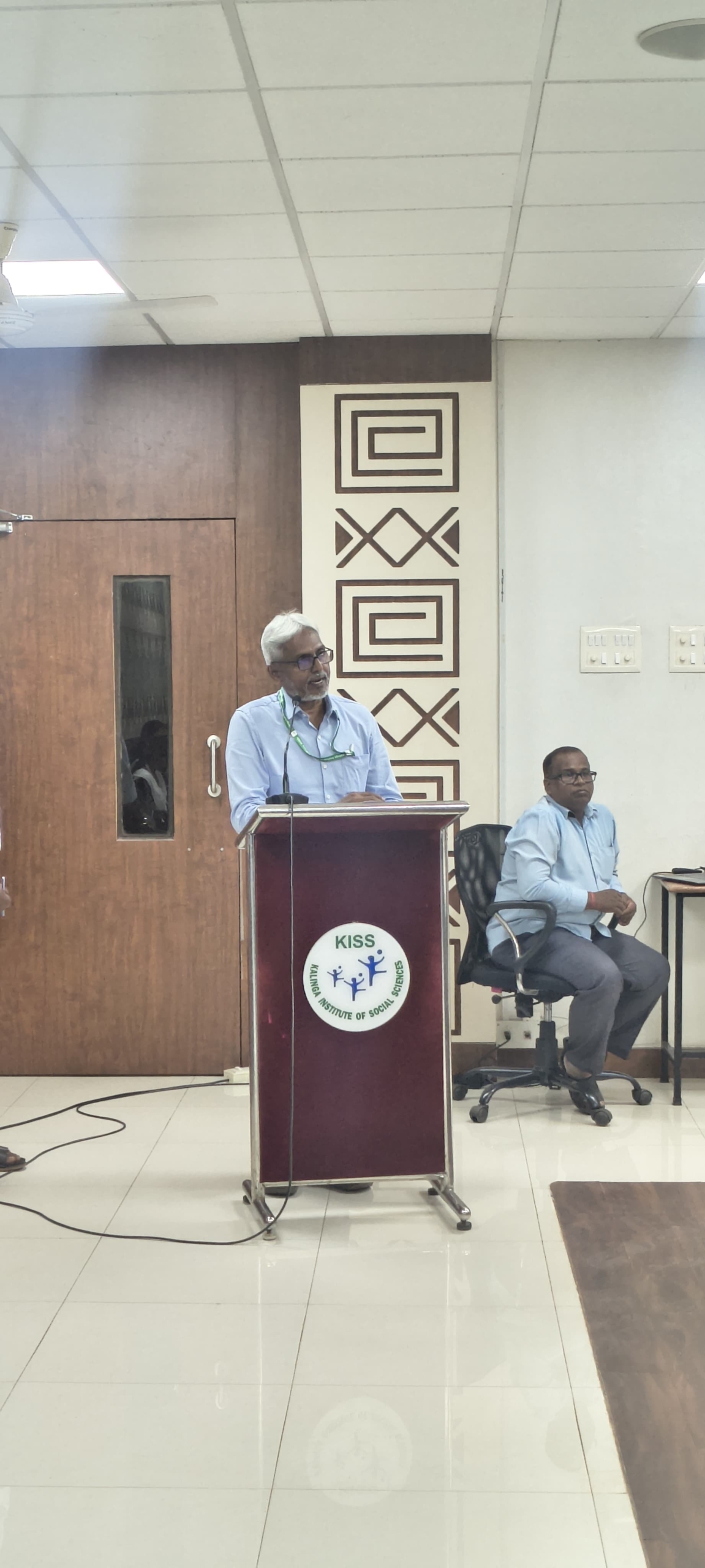
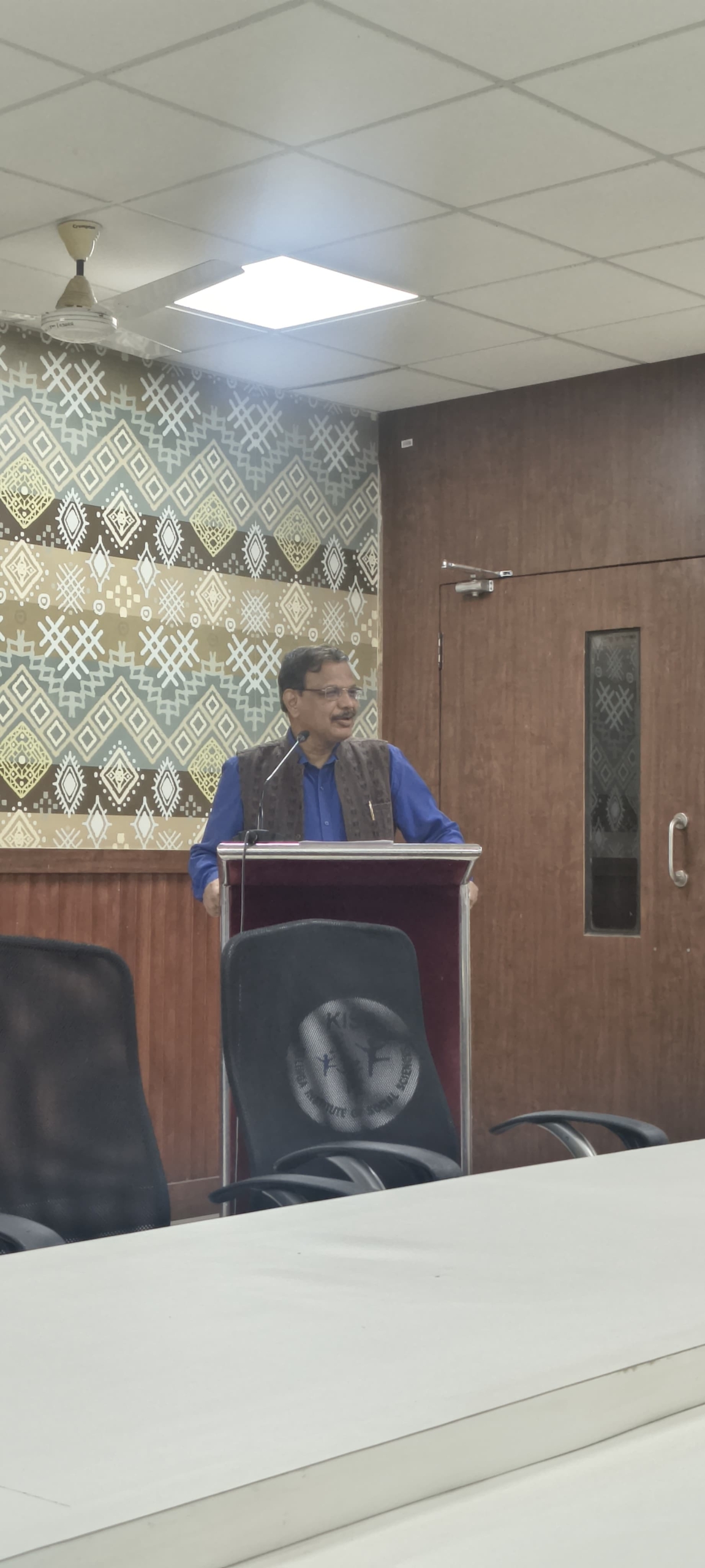
The programme commenced with a welcome address by Prof. S. Gregory, Pro Vice-Chancellor, KISS Deemed to be University, who warmly welcomed the distinguished speaker and participants and highlighted the importance of understanding emerging demographic changes and their implications for society and development. During the session, Dr. Sekher provided valuable insights into the multidisciplinary dimensions of population ageing in India, highlighting the growing elderly population, demographic trends and interstate disparities, with reference to population projections for 2021 and 2036. He emphasised the increasing need for social security, accessible healthcare facilities and appropriate welfare measures to ensure the wellbeing of the elderly. A significant part of the discussion focused on the Longitudinal Ageing Study in India (LASI), including its objectives, significance and methodology. The speaker explained its longitudinal and comparative approach to understanding the health, social and economic conditions of older adults. He also highlighted the major innovations introduced in LASI, such as direct health examinations, biomarkers, Computer-Assisted Personal Interviewing (CAPI), GPS-based technology and household-, community- and individual-level survey instruments. Important demographic indicators such as age structure, fertility rates, mortality patterns and changing population trends were also discussed. The seminar provided an enriching learning experience for the participants by offering valuable academic and practical perspectives on the challenges and opportunities associated with population ageing in India.
The programme concluded with a vote of thanks proposed by Dr. Parikshita Khatua, Head of the Department of Commerce, who expressed sincere gratitude to the distinguished speaker, the university leadership, the organisers and all participants for their valuable contributions towards making the seminar informative and successful.