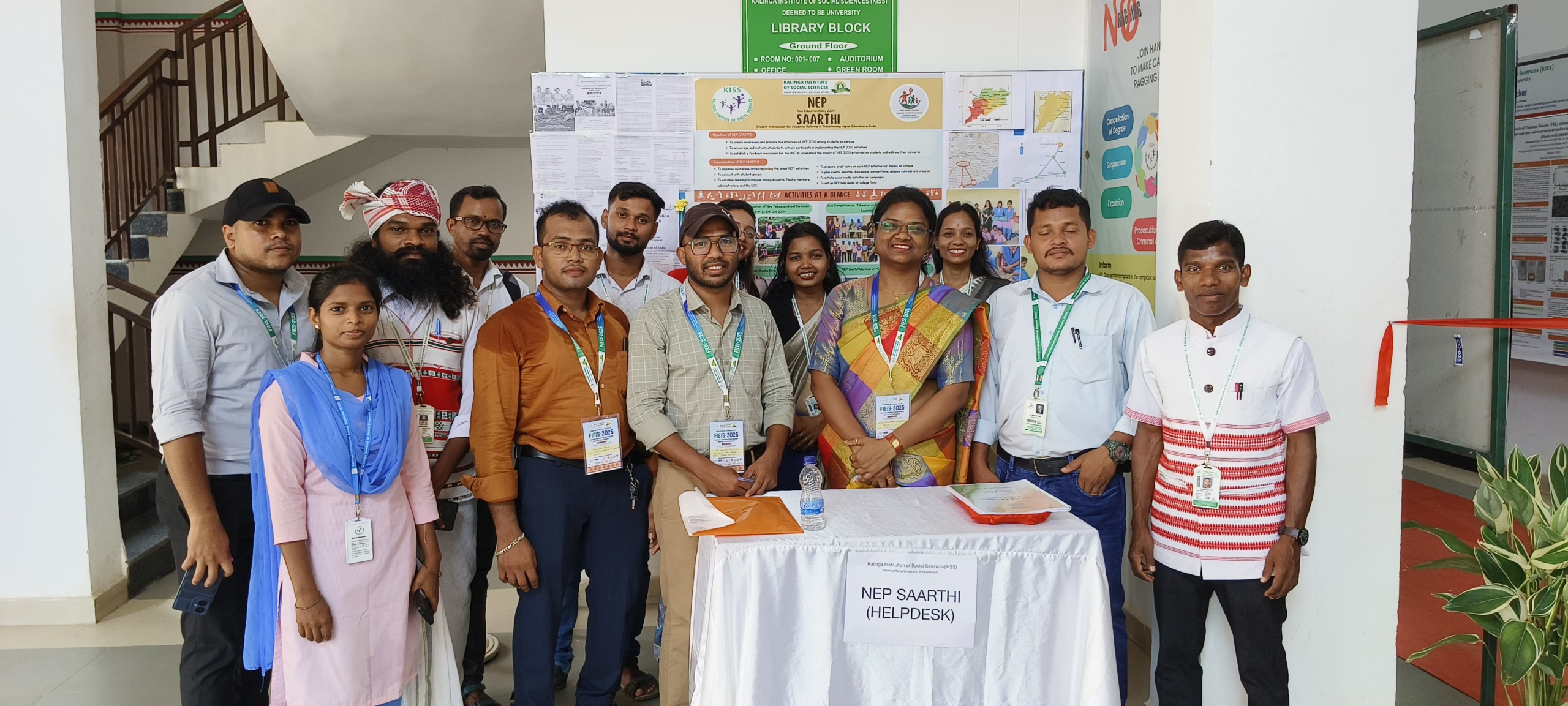
The Annual Research Conclave 2025 was successfully organized by the Research and Development Cell on 17th and 18th July 2025 at Campus – 4 of Kalinga Institute of Social Sciences (KISS) Deemed to be University. The two-day conclave served as a vibrant academic platform for research scholars, academicians, scientists, policymakers and distinguished guests from national and international institutions to exchange ideas, present innovative research findings, and discuss contemporary global challenges aligned with the Sustainable Development Goals (SDGs).
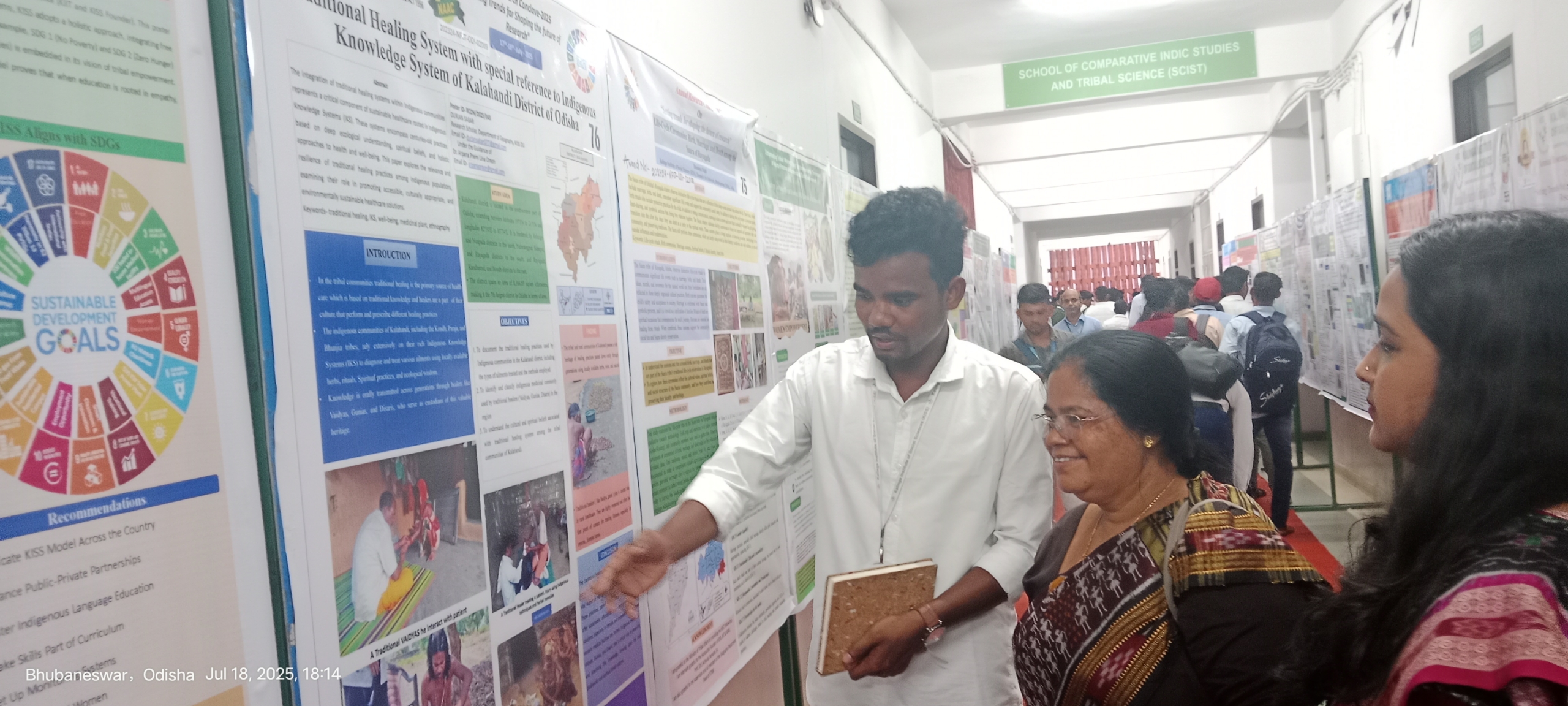
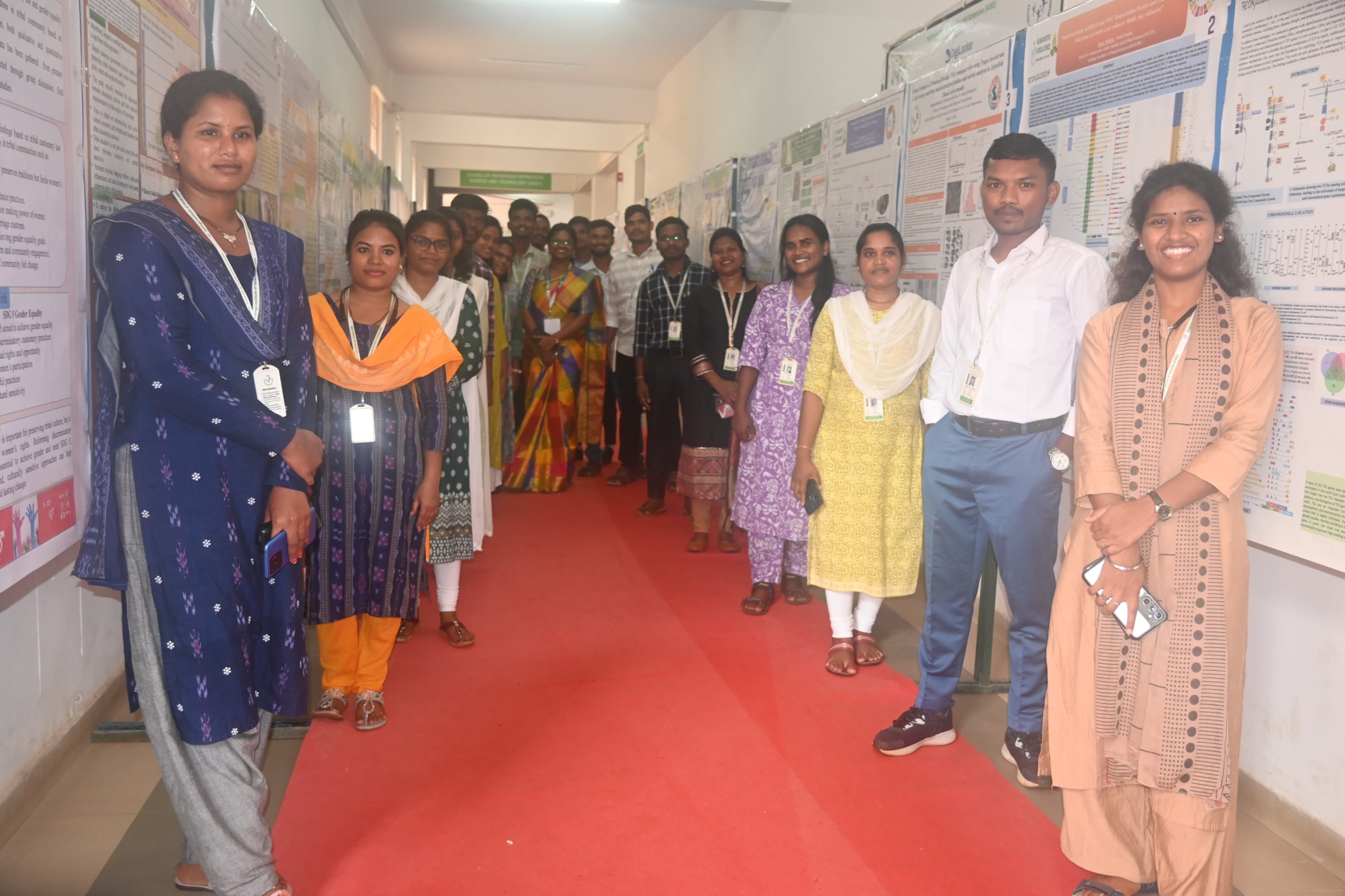
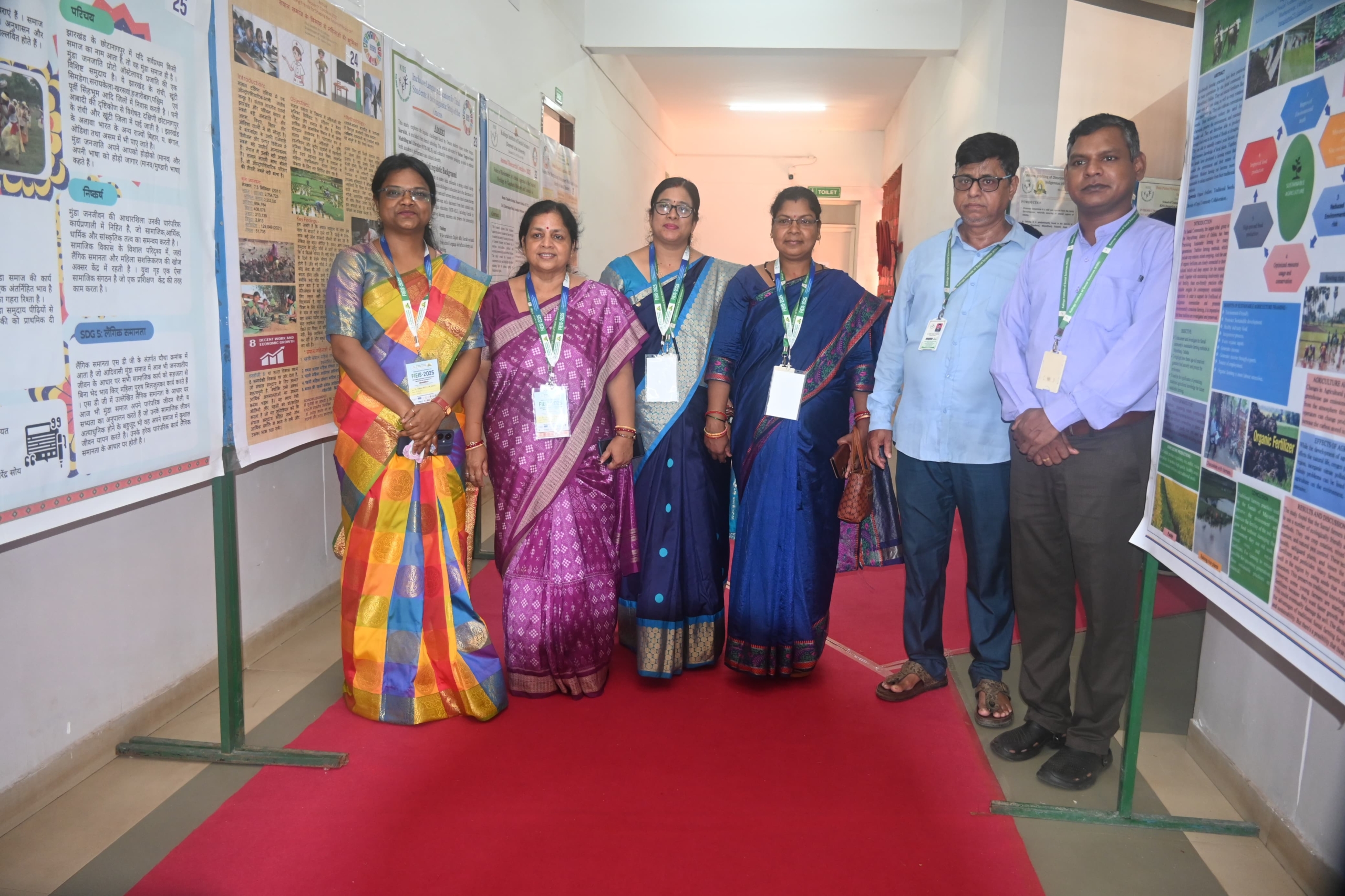
The conclave reflected the commitment of the Research and Development Cell towards promoting quality research, interdisciplinary collaboration, innovation, and socially impactful academic practices. The event witnessed enthusiastic participation from nearly 300 research scholars of KISS-DU who presented their research work through poster presentations.
Inaugural Session
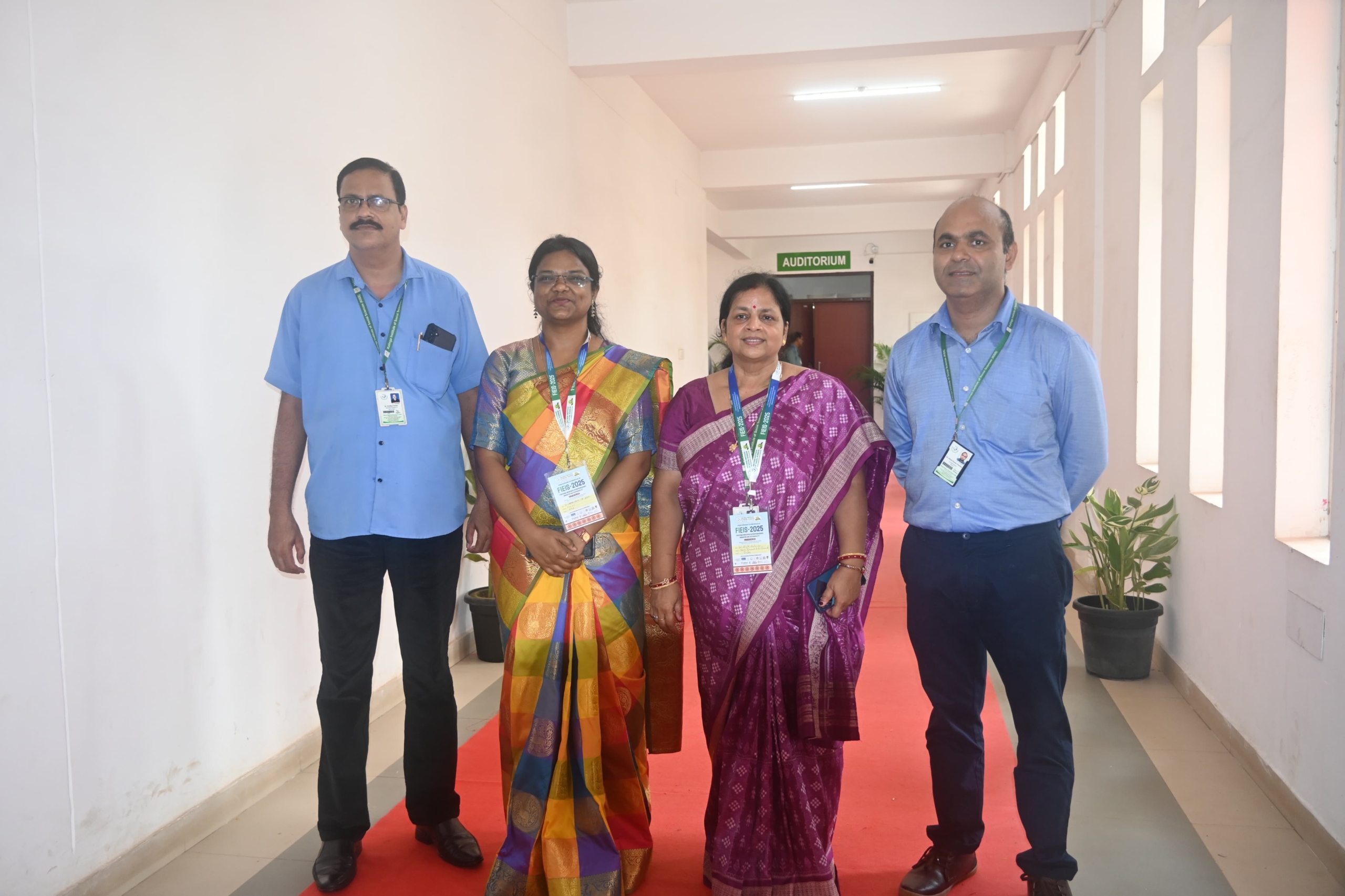
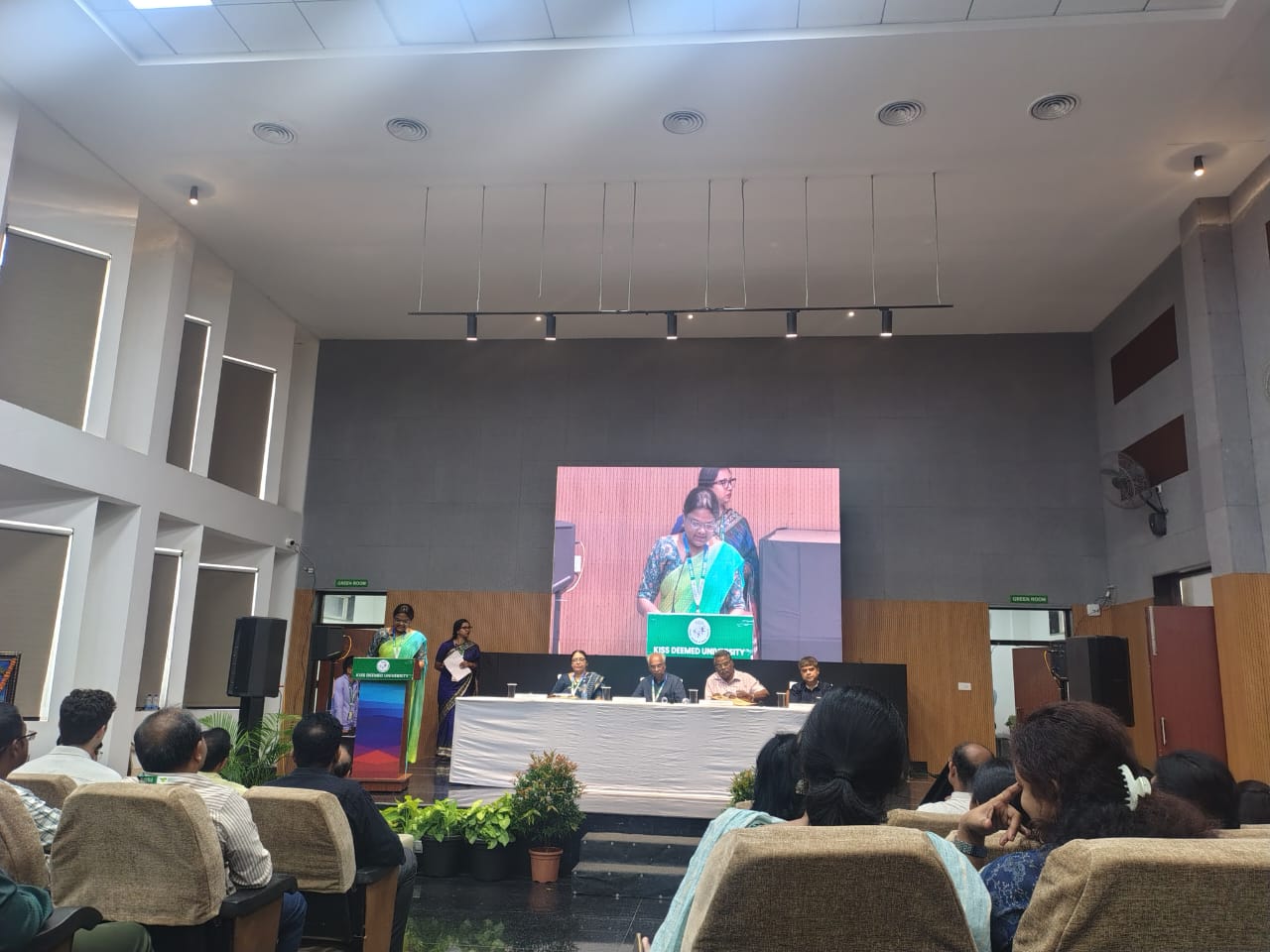
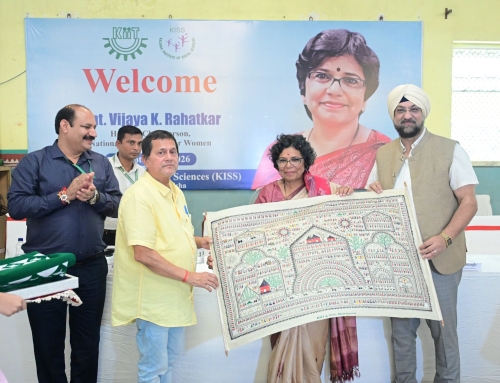
The conclave commenced with a formal inaugural ceremony attended by eminent dignitaries, invited national and international guests, faculty members, research scholars, and students. The programme began with the traditional lamp-lighting ceremony followed by a welcome address by the organizing committee of the Research and Development Cell.
During the inaugural session, the dignitaries highlighted the importance of research and innovation in addressing global and local challenges. The speakers emphasized the role of higher educational institutions in generating knowledge that contributes to sustainable development, social transformation, and community empowerment.
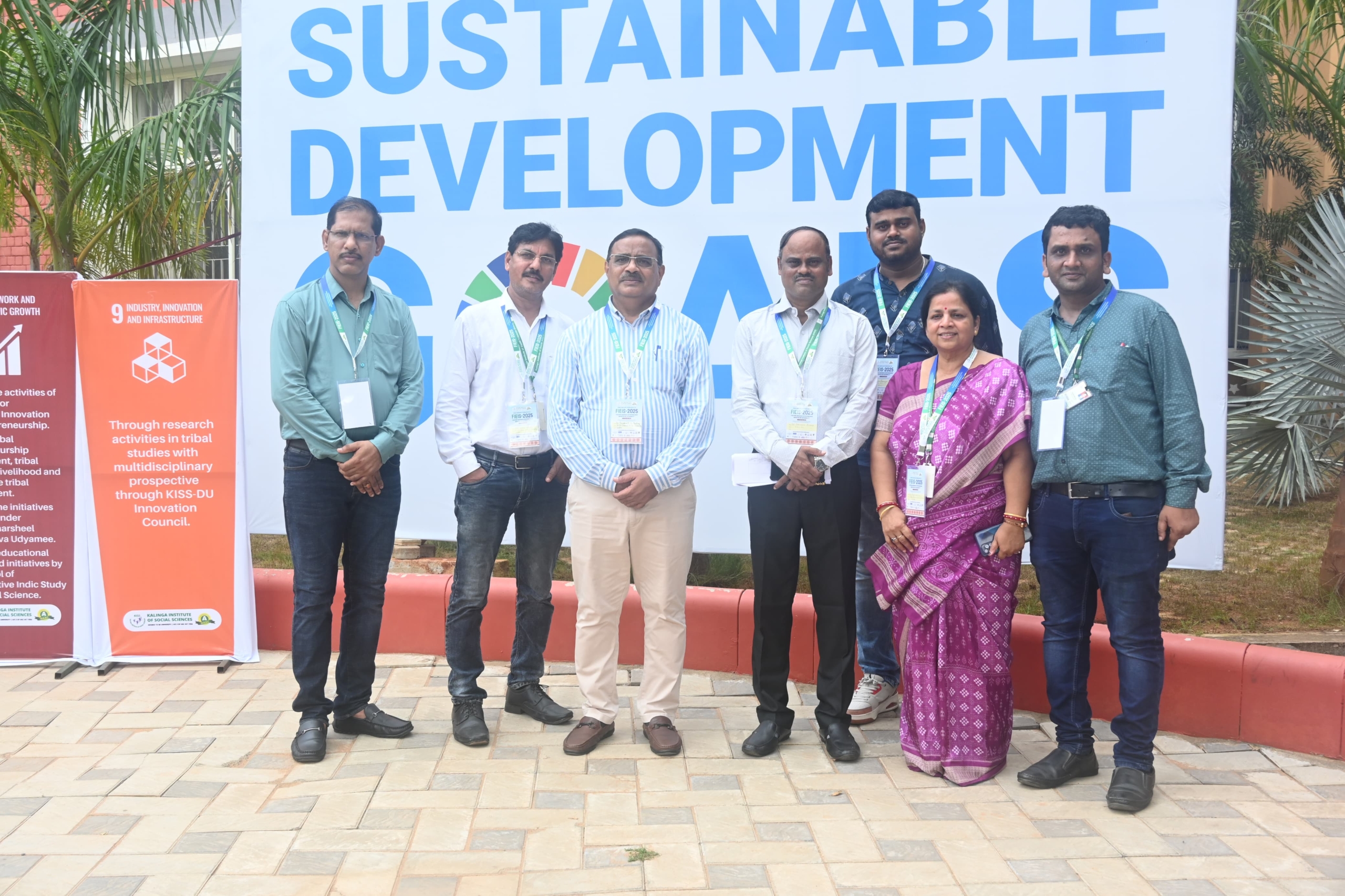
The invited experts and distinguished guests shared valuable perspectives on emerging research trends, interdisciplinary collaboration, global academic partnerships, sustainable development, indigenous knowledge systems, climate resilience, and inclusive growth. Their deliberations inspired scholars to undertake research that creates meaningful societal impact.
Participation and Poster Presentations
A major highlight of the conclave was the active participation of around 300 research scholars from different academic disciplines. The scholars presented their research work through poster presentations based on action-oriented themes connected with all 17 Sustainable Development Goals (SDGs).
The presentations covered a wide range of research areas including:
- Poverty eradication and inclusive development
- Quality education and skill enhancement
- Gender equality and women empowerment
- Health, nutrition, and well-being
- Clean energy and environmental sustainability
- Water conservation and sanitation
- Climate action and biodiversity protection
- Sustainable agriculture and food security
- Tribal development and indigenous practices
- Innovation, entrepreneurship, and technology-driven solutions
- Social justice and institutional strengthening
The scholars showcased innovative ideas, field-based studies, practical interventions, policy recommendations, and community-oriented research findings aimed at solving real-world issues. The poster sessions created a dynamic environment for academic interaction and knowledge exchange.
The research presentations were evaluated by expert panels consisting of senior academicians, scientists, and subject specialists from reputed national and international institutions. The experts appreciated the quality of research and provided constructive suggestions to further strengthen the scholarly work of the participants.
Alignment with Sustainable Development Goals (SDGs)
The Annual Research Conclave 2025 strongly emphasized research aligned with the 17 Sustainable Development Goals (SDGs). The event encouraged scholars to connect their research outcomes with global developmental priorities and community needs.
The conclave highlighted how research can contribute to environmental sustainability, social equity, economic development, and inclusive governance. Through their presentations, scholars demonstrated the importance of evidence-based research in policy formulation, grassroots development, and sustainable solutions for society.
The SDG-centered approach adopted by the Research and Development Cell created awareness among scholars regarding the role of academia in achieving a sustainable and equitable future.
Academic Networking and Collaboration
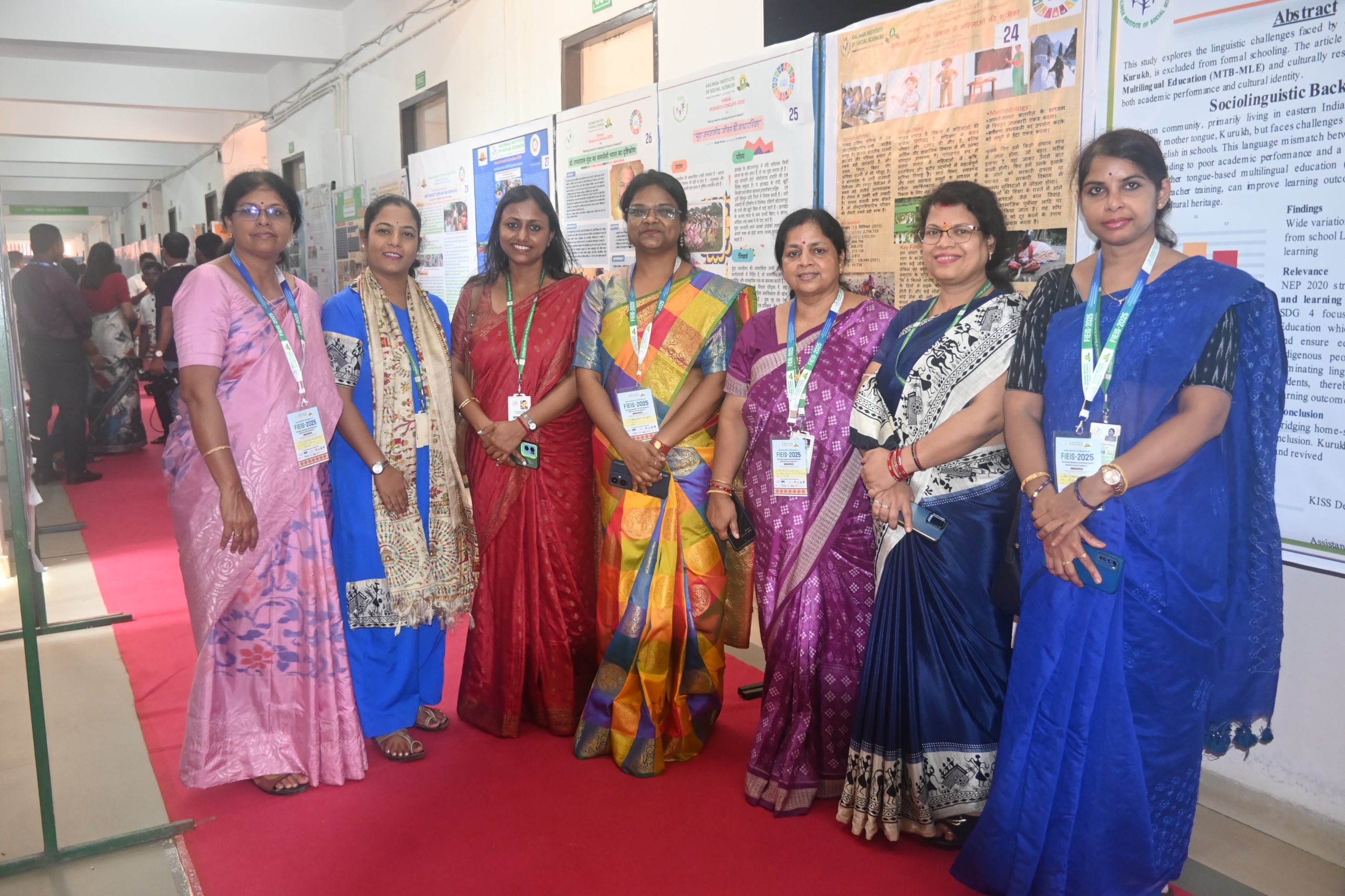
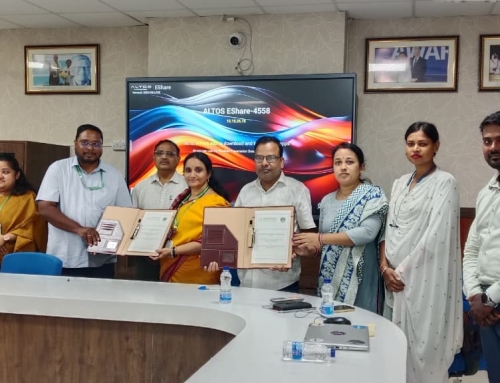
The conclave provided an excellent platform for interaction among scholars, faculty members, academicians, scientists, and international delegates. The networking sessions facilitated interdisciplinary collaboration, academic partnerships, and future research opportunities.
The participants greatly benefited from direct interaction with experienced researchers and experts, which broadened their academic perspectives and motivated them towards high-quality and impactful research.
Valedictory Session
The conclave concluded with a valedictory session on 18th July 2025. During the session, selected scholars were recognized and appreciated for their outstanding poster presentations and innovative research contributions.
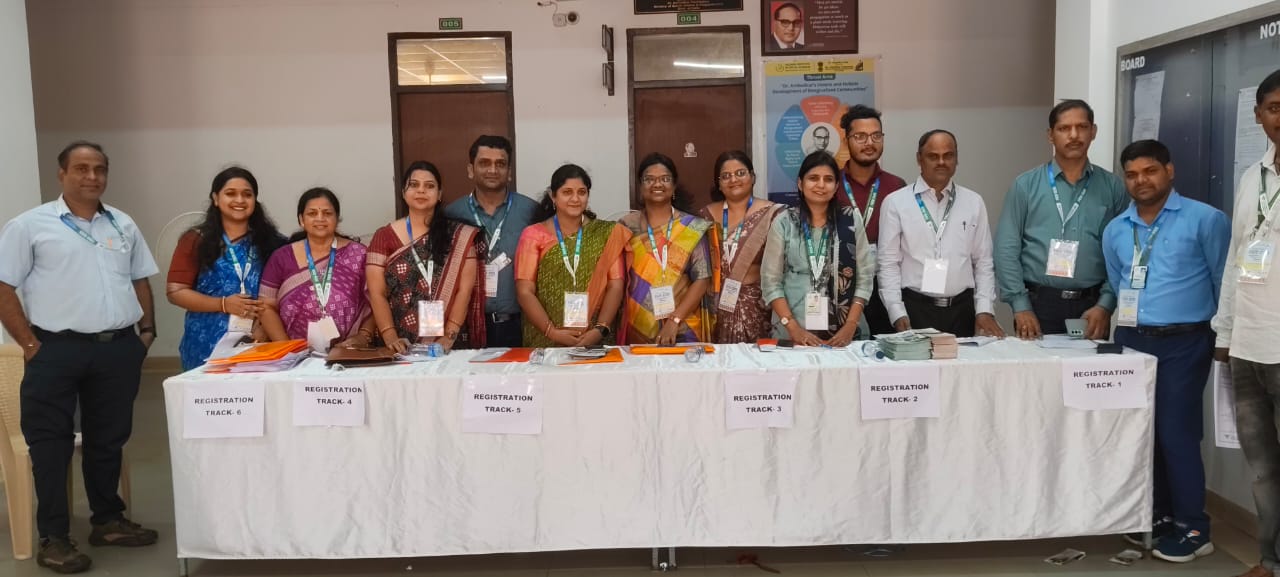
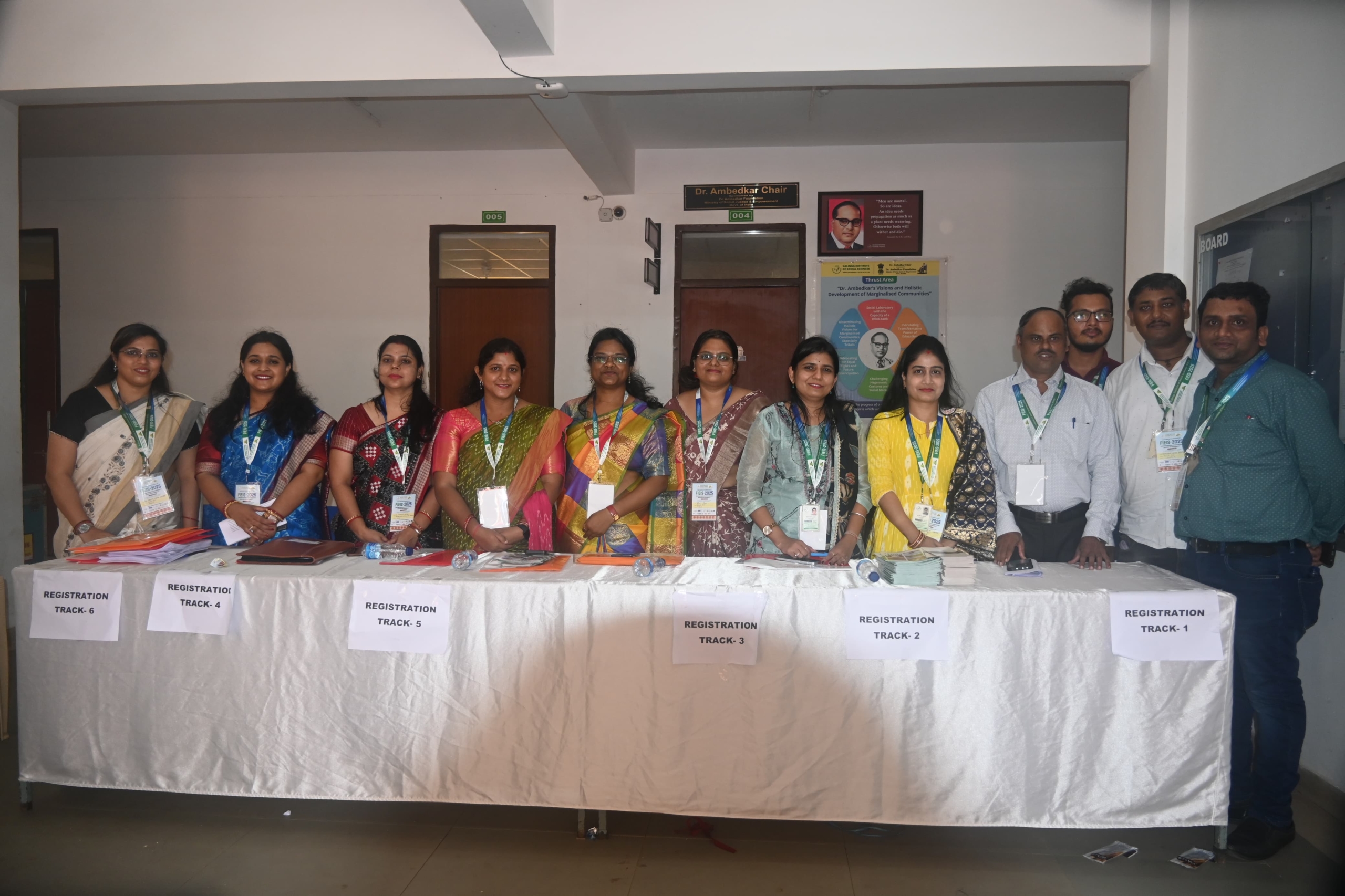
The organizing committee of the Research and Development Cell expressed sincere gratitude to all dignitaries, invited speakers, participants, faculty coordinators, volunteers, and university authorities for their valuable support and cooperation in making the conclave successful.
The concluding remarks emphasized the importance of ethical, socially relevant, and action-oriented research in addressing contemporary global challenges and achieving sustainable development.
Conclusion
The Annual Research Conclave 2025 organized by the Research and Development Cell at Kalinga Institute of Social Sciences – Deemed to be University (KISS-DU) was a grand academic success. The two-day event created a vibrant platform for intellectual exchange, innovation, interdisciplinary learning, and research dissemination.
The conclave successfully strengthened the research culture at KISS-DU and reinforced the institution’s commitment toward promoting socially relevant and sustainable research practices. The active participation of scholars and the guidance of national and international experts made the event highly enriching, impactful, and memorable for all participants.