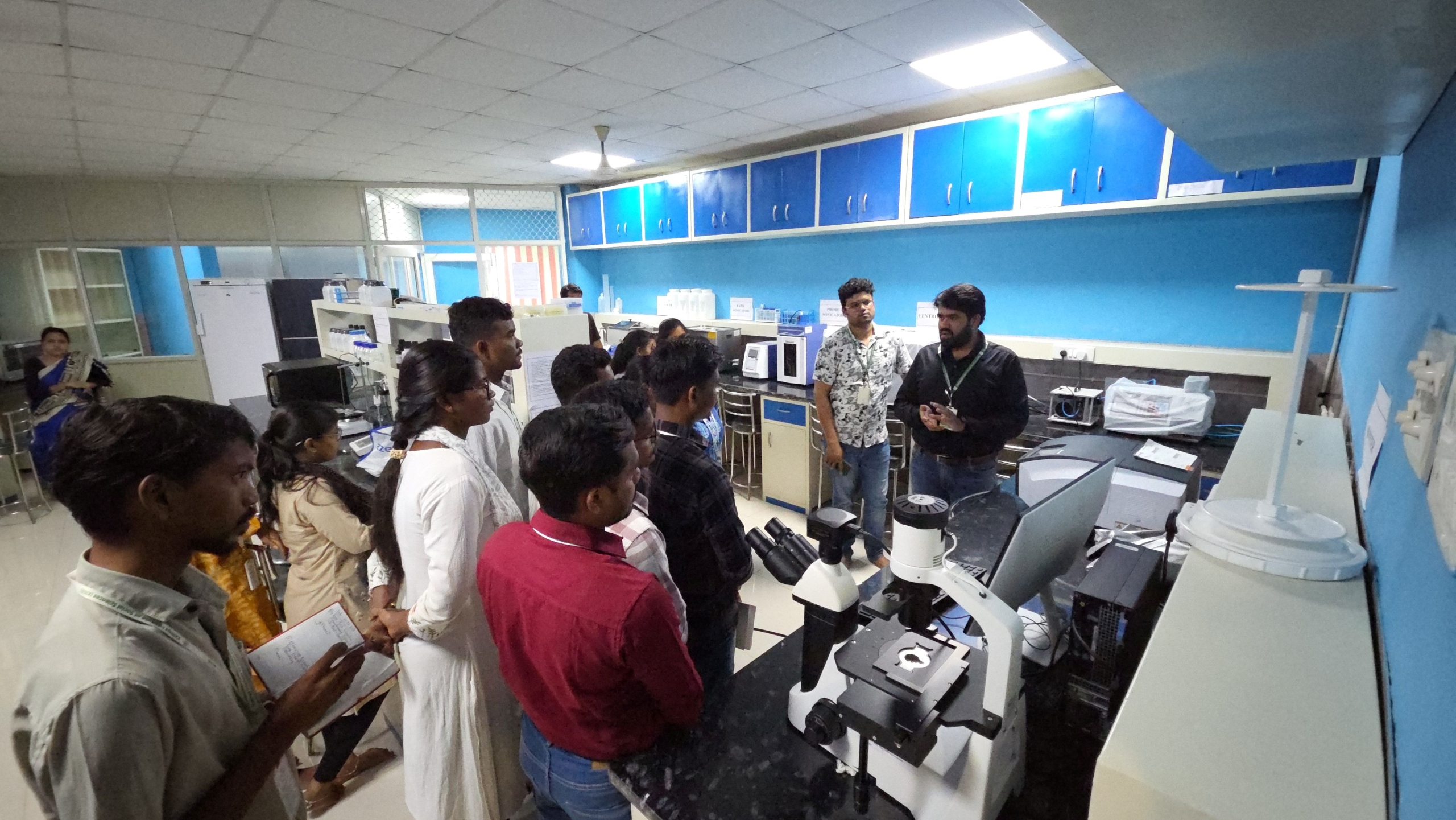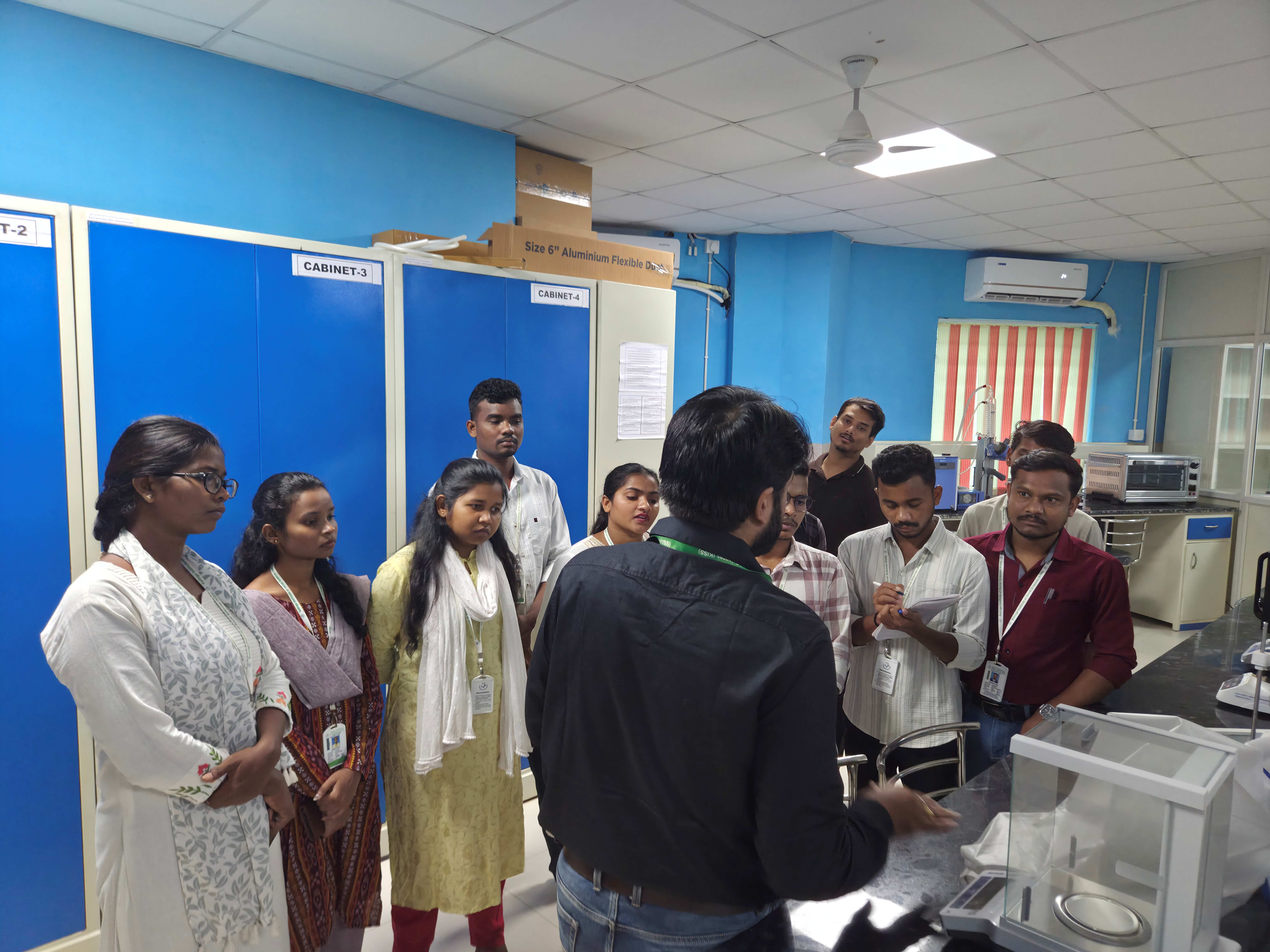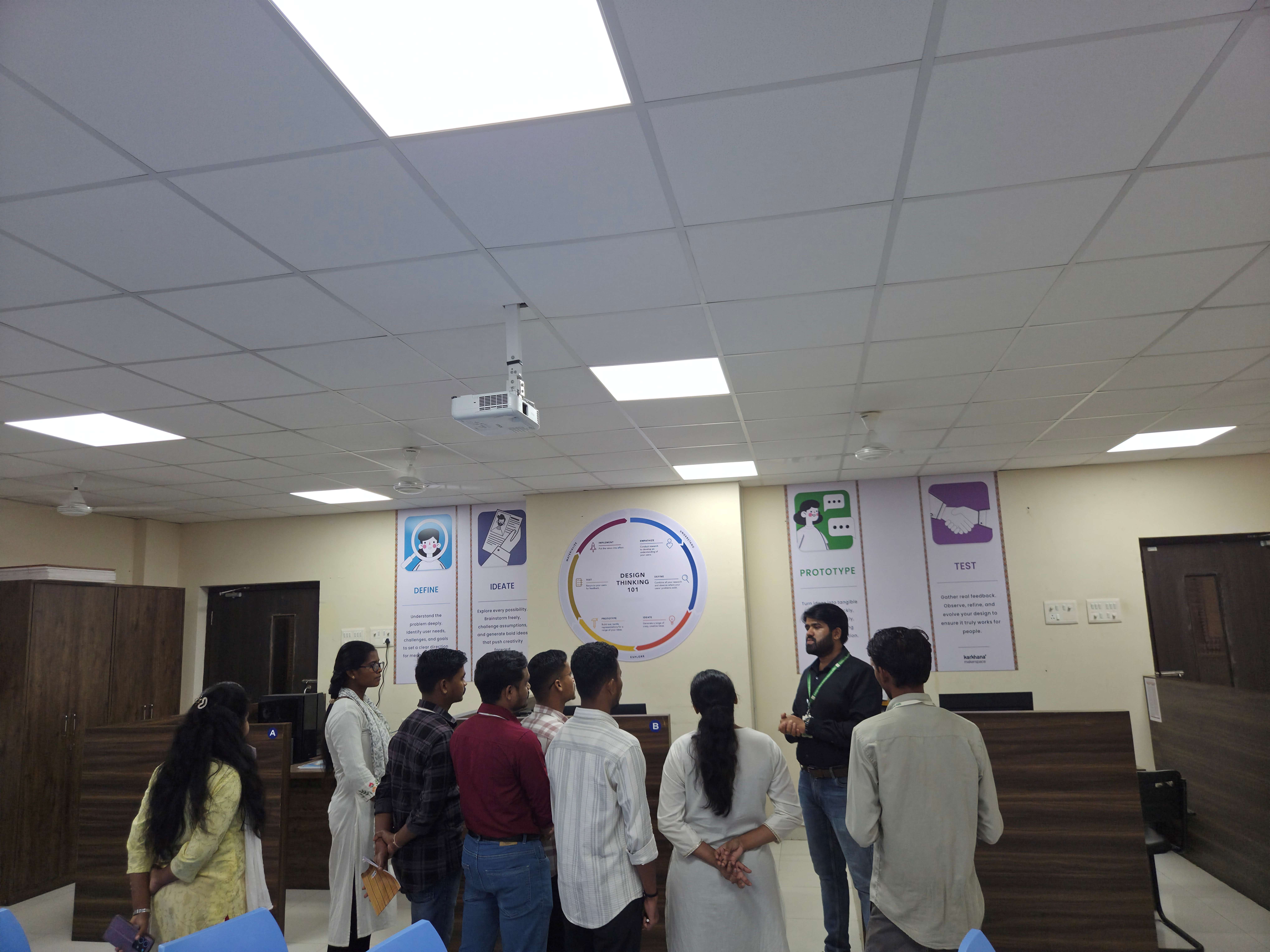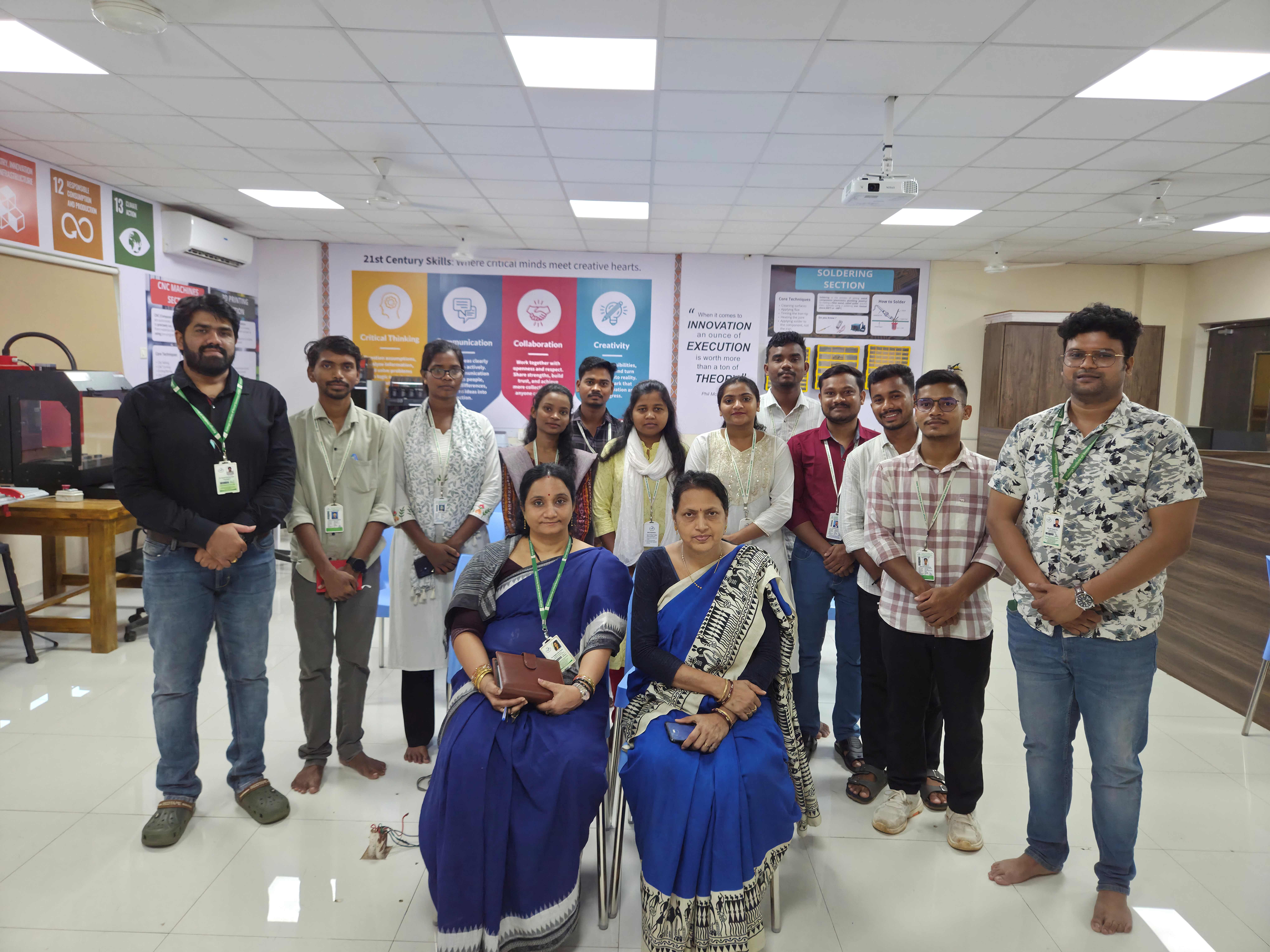
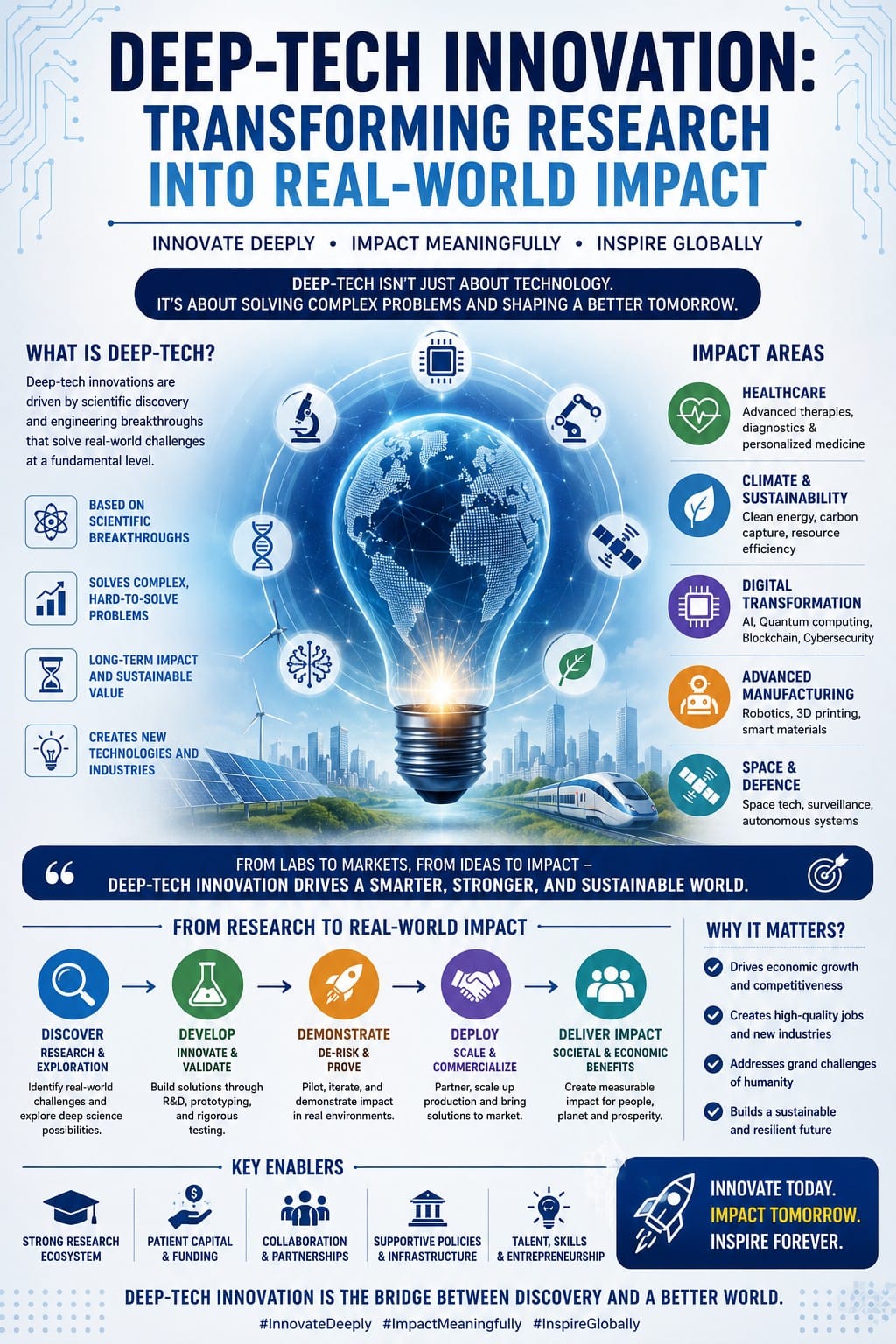
The Research and Development Cell (R&D Cell), in collaboration with the School of Tribal Resource Management (STRM), Institution Innovation Council and the Internal Quality Assurance Cell (IQAC), successfully organized a training programme on “Deep-Tech Innovation: Transforming Research Into Real-World Impact” on 20th July 2026. The training explained the different stages of technology development, starting from a research idea and moving through prototype development, product testing, manufacturing, and finally commercialization. It also highlighted the importance of connecting academic research with industry so that innovative ideas can be turned into practical solutions that benefit society.
The programme was coordinated by the Research Scholars Mr. Santosh Kandamaka Mr. Laxman Dora, and Ph.D. Scholars of STRM other School Scholars. Overall coordination done By Dr Arpana Premi Lina Oraon, Director, R&D Cell.
Objectives of the Programme
- To introduce the concept of deep-tech innovation and its role in solving real-world challenges through advanced research and technology.
- To encourage researchers and students to transform research ideas into practical solutions that can benefit society and industry.
- To create awareness about the process of technology commercialization, including innovation, intellectual property (IP), and startup opportunities.
- To build participants’ knowledge of emerging technologies such as Artificial Intelligence (AI), biotechnology, clean energy, robotics, advanced materials, and other deep-tech domains.
- To motivate young researchers and innovators to develop sustainable, impactful, and scalable technologies for national and global development.
The inaugural address was delivered by Dr. Rashmi Mohapatra, Associate Professor, Head of Department Botany and Team Dr. Umesh Chandra Dash, Mr. Jay Prasad Jena, Mr. Soumya Ranjan Mohanty. In her address Madam emphasized Deep-tech innovation is about cutting-edge research and scientific breakthroughs, with the aim of addressing complex real-world challenges. The purpose of this workshop is to motivate researchers, students and innovators to turn their ideas into real action that make a difference for society, industry and the environment. It will foster cooperation, entrepreneurship and technology transfer and will emphasize the significance of innovation to meet global challenges, sustainable development and national development.
Dr. Umesh Chandra Dash sir took over the entire session and explained each of the instruments.
The Inverted Microscope
It is used for diagnostic purposes such as fungal culture (the detection of Phytophthora spp in fungal culture). A method for identifying nematology extraction specimens to look for nematodes such as vermiform nematodes. Used for viewing living micro cells in the bottom of a lab vessel such as a tissue culture flask, Petri plate etc.
Centrifuge
A centrifuge is a machine in a laboratory used to separate the components of a mixture by spinning it at a high speed. It separates substances based on their densities, and can be used to isolate sediments, cells, proteins or any other particles from a liquid. Efficient sample preparation and analysis are highly sought after in medical, biological, chemical, environmental and water quality laboratories, where centrifuges have made significant inroads.
Probe sonicator
A probe sonicator is a laboratory instrument which utilizes high-frequency ultrasonic waves to fragment, mix or disperse particles in liquid samples. It is widely used for cell disruption, biomolecule extraction, nanoparticle preparation and for uniform suspensions. Probe sonication is an effective sample homogenization technique for biological, chemical, pharmaceutical and environmental research laboratories.
Bath Sonicator:
A bath sonicator is a laboratory device that gently clean, mix and degas without direct contact by using the ultrasonic waves transmitted through water bath. It is often employed to dissolve chemicals, to clean laboratory equipment, to disperse particles and to prepare samples for analysis. Bath sonicators are frequently used in biological, chemical, pharmaceutical and environmental research laboratories for uniform and efficient sample preparation.
UV Cabinet:
A UV Cabinet is a lab instrument specifically designed for the purpose of sterilization and disinfection in the lab, destroying microorganisms including bacteria, viruses and fungi in the work materials, glassware and lab instruments. It keeps any lab space uncontaminated, helping to ensure the safety, accuracy and reliability of laboratory experiments and sample handling.
Water Bath:
Water bath is a kind of apparatus in the laboratory that is used to heat and maintain a sample at a definite and controlled temperature. It is normally employed for heating materials like reagents, biological materials, chemicals for dissolution and performing experiments that are sensitive to temperature. Biological, chemical, pharmaceutical and environmental laboratories find water baths ideal for accurate and reliable results, while providing even heating.
Rotary Evaporator (Rotavap):
Rotary evaporator is a laboratory device used to decrease the pressure of a liquid sample to make its solvent evaporate. It enables efficient concentration, purification and recovery of the solvents under low temperature conditions, which is beneficial in protecting the degradation of heat-sensitive compounds. Sample preparation and extraction is a very common application in chemical, pharmaceutical, environmental and research laboratories using rotary evaporators.
Hot Air Oven:
Hot air oven is a laboratory apparatus, which is available to dry, heat and sterilize, the laboratory material in a dry heat way at the controlled temperature. It is used to clean and sterilize glassware, heat resistant equipment, metal instruments and to dry samples. Hot air ovens are used to achieve efficient sterility, and dependable sample preparation in biological, chemical, pharmaceutical and environmental laboratories.
Distillation Unit:
A laboratory apparatus used to separate liquids based on their boiling points is called a distillation unit. It is used extensively for producing distilled water, for water purification and removal of impurities, for solvent recycling and for obtaining high purity liquids for laboratory applications. Distillation units are frequently used in chemical, pharmaceutical, environmental and research laboratories for sample preparation and analysis with precision.
Microprocessor Cooling Centrifuge:
A centrifugal machine that separates a mixture of substances from a sample at a controlled low temperature is a microprocessor cooling centrifuge. The microprocessor will ensure accurate control of speed, time and temperature, allowing for the protection of protein, DNA, RNA and enzymes that are sensitive to heat. It has a wide application in biological, medical, pharmaceutical and research laboratories in the field of environment.
pH Reader (pH meter)
A pH reader or pH meter is a laboratory instrument used to precisely measure the acidity or alkalinity (pH) of a liquid sample. It is used commonly in water, soil extract and chemical solution testing and on biological samples. The pH level must be measured with precision; this is accomplished using a pH meter and is an essential component in the measurement of water quality, in environmental research, in agriculture and in the laboratory and experimental activities in pharmaceutical research.
Moisture Analyzer:
Moisture analyzer is an instrument used in the laboratory for the measurement of moisture content in a solid or semi-solid sample by carefully removing moisture. It offers quick and accurate moisture measurement that is vital for quality control, research and product testing. In the majority of the food, agriculture, pharmaceutical, chemical and environmental laboratories, moisture analyzers can be found.
Conclusion
The deliberations have highlighted that deep-tech innovation is not only about advanced technologies but also about applying scientific research to solve real-world challenges and improve the quality of life. The insightful sessions have emphasized the importance of interdisciplinary collaboration, entrepreneurship, industry partnerships, and translating research into impactful solutions for society. The session has inspired each participant to think beyond academic boundaries and pursue research that is innovative, ethical, sustainable, and socially relevant. Let carry forward the knowledge, ideas, and motivation gained to create technologies that address local and global challenges. Together, through continuous learning, collaboration, and innovation, we can transform research into meaningful societal impact and contribute to building a more sustainable, inclusive, and technologically empowered future.