Venue: Room No. 102, Campus-4, KISS Deemed to be University, Bhubaneswar
Jointly Organized by: Research and Development Cell (R&D Cell), School of Comparative Tribal Languages and Literatures (SCTLL) and Internal Quality Assurance Cell (IQAC).
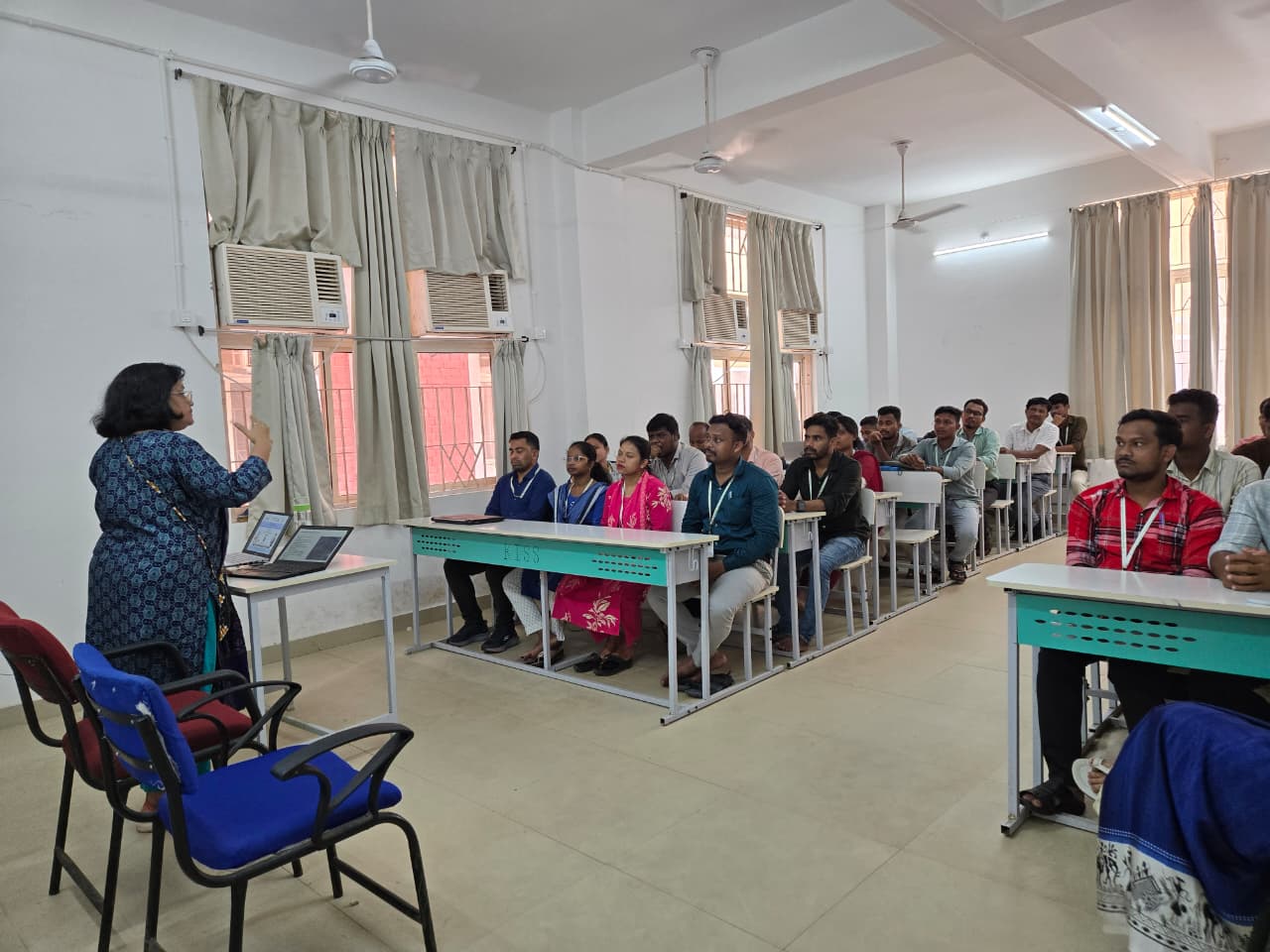
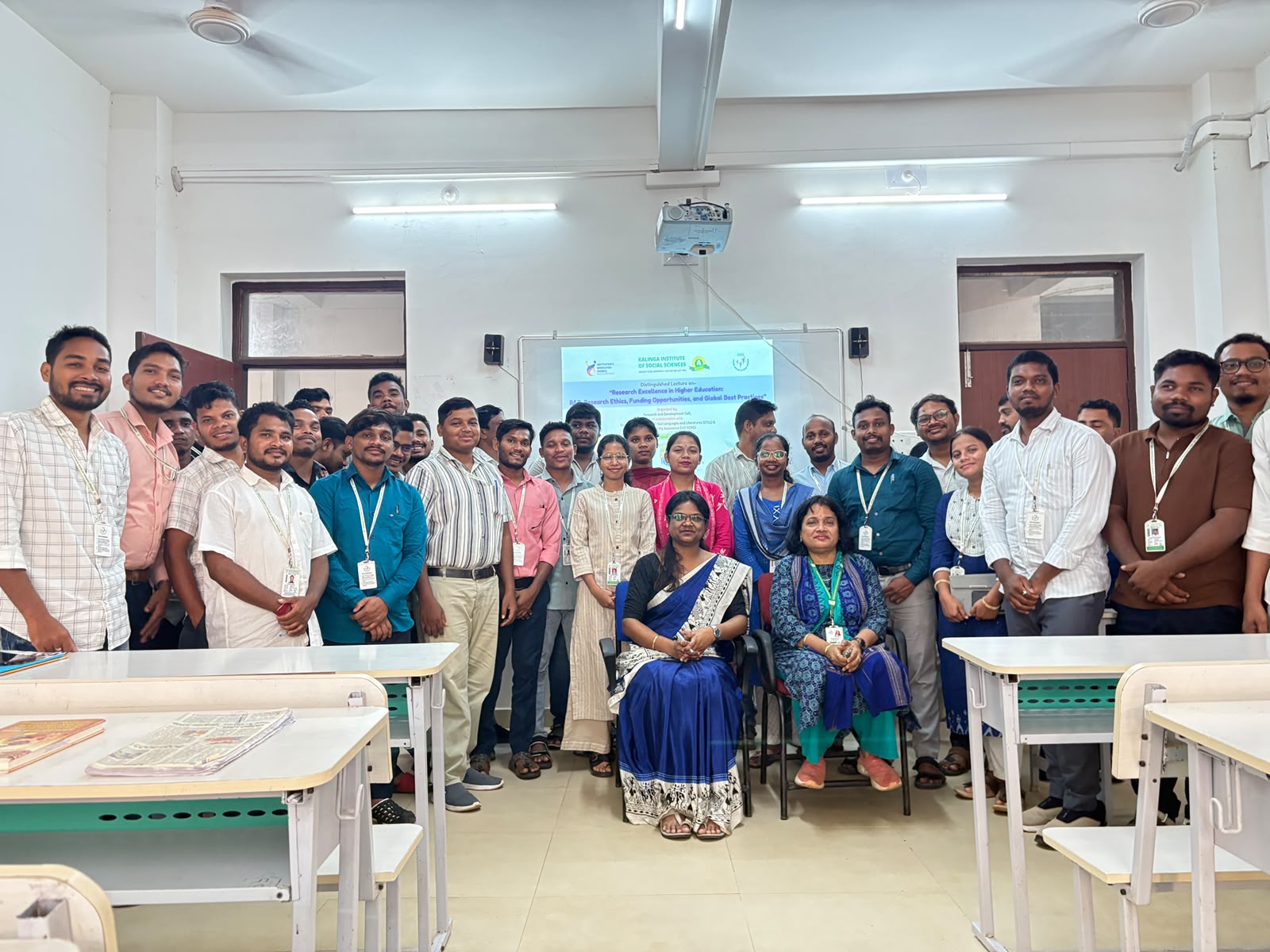
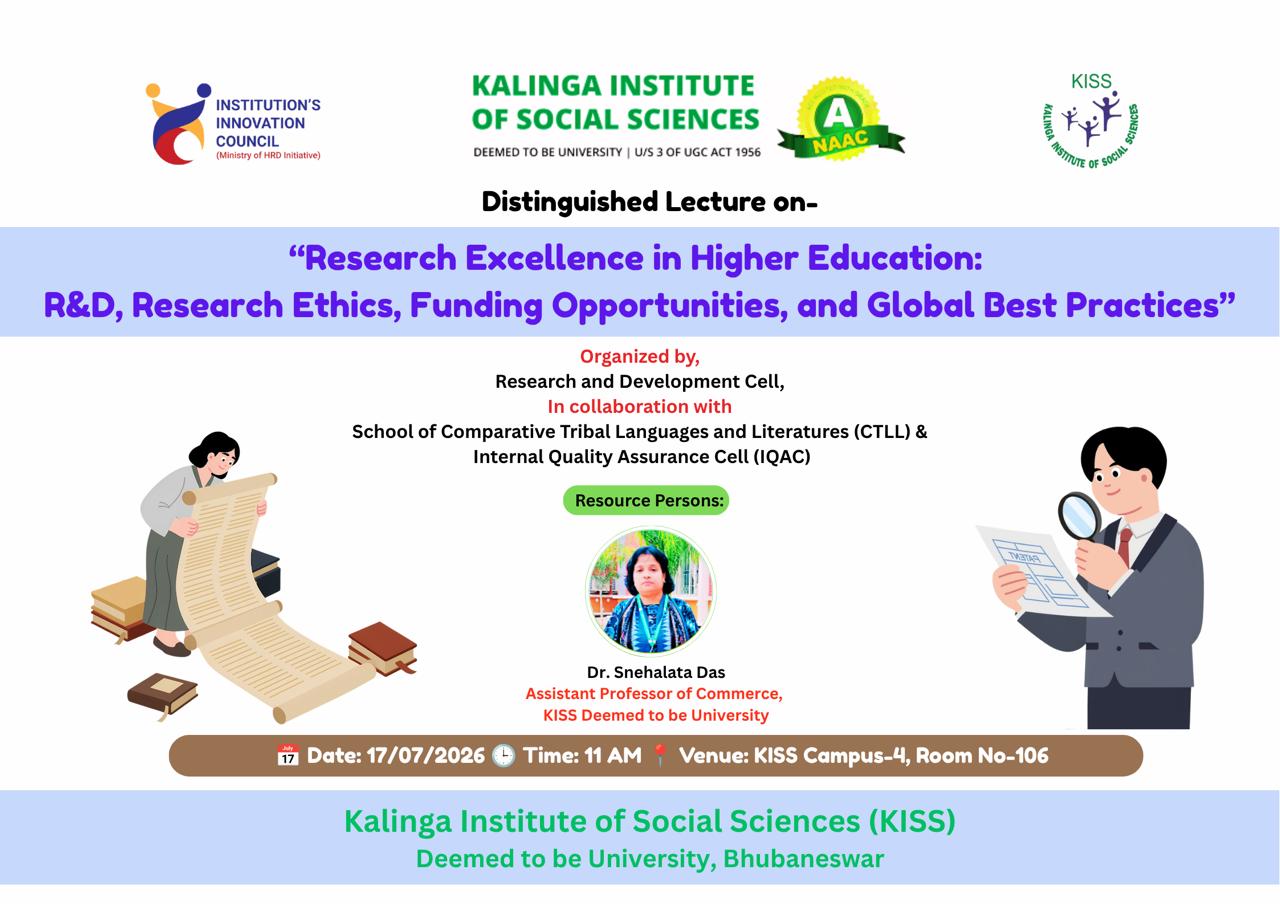
The Research and Development Cell, School of Comparative Tribal Languages and Literatures (SCTLL) and Internal Quality Assurance Cell (IQAC), KISS Deemed to be University jointly organized a workshop on “Research Excellence in Higher Education: R&D, Research Ethics, Funding Opportunities and Global Best Practices” to enhance the research knowledge and academic competencies of research scholars on 17th July 2026. The programme was conducted by Dr. Arpana Premi Lina Oraon, Director, R&DC and Research scholars Ms. Priyambada Sabar and Mr. Niranjan Lakra. Held at 11:00 A.M. in Room No. 102, Campus-4, the workshop brought together approximately more than 40 research scholars, providing them with an opportunity to deepen their understanding of research ethics, innovation, funding opportunities and internationally accepted research practices.
The programme commenced with Research Scholar Mr. Krishna Sardar who performed as the Master of Ceremony, who ensured the smooth conduct of the event. Dr. Arpana Premi Lina Oraon, formally welcomed the participants and introduced the theme of the workshop. She highlighted the growing importance of ethical and quality research in higher education and warmly welcomed the distinguished resource person, Dr. Snehalata Das, Assistant Professor, Department of Commerce, School of Tribal Resource Management (STRM), KISS Deemed to be University.
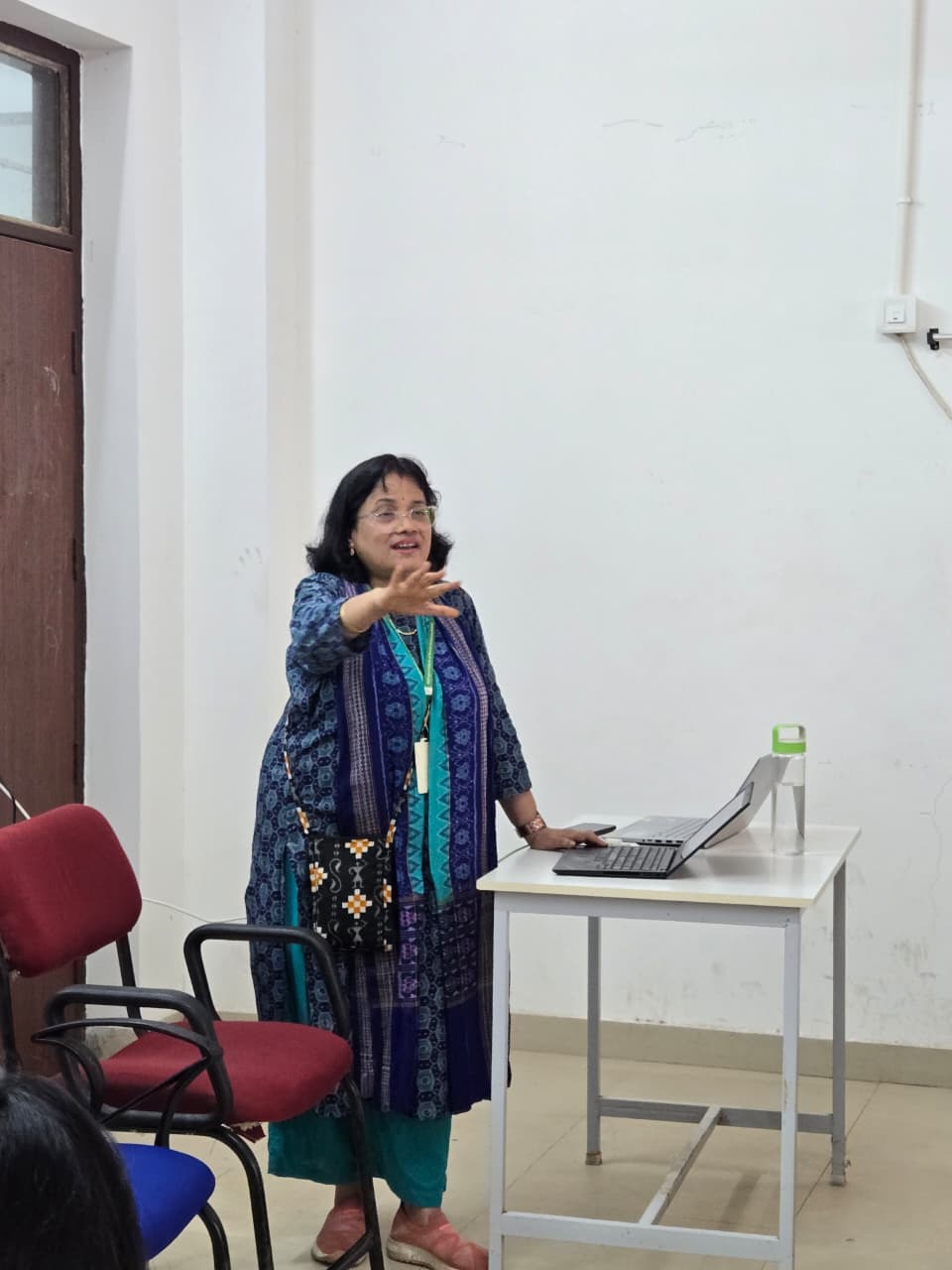
The technical session was delivered by Dr. Snehalata Das, who presented a comprehensive lecture on the various dimensions of research excellence in higher education. She emphasized the importance of Research and Development in generating new knowledge and contributing to societal progress. She explained that quality research must be guided by academic integrity, originality, transparency and ethical responsibility. A significant part of the session focused on research ethics, where she discussed plagiarism, proper citation practices, responsible data management, publication ethics, and the importance of maintaining honesty and credibility throughout the research process. She encouraged scholars to uphold the highest standards of academic integrity in every stage of their research.
Dr. Das also introduced participants to national and international funding opportunities, highlighting the importance of preparing well-structured research proposals and identifying appropriate funding agencies. In addition, she discussed global best practices in research, including interdisciplinary collaboration, publication in reputed journals, international networking, open-access publishing, and the responsible use of emerging technologies such as Artificial Intelligence in academic research.
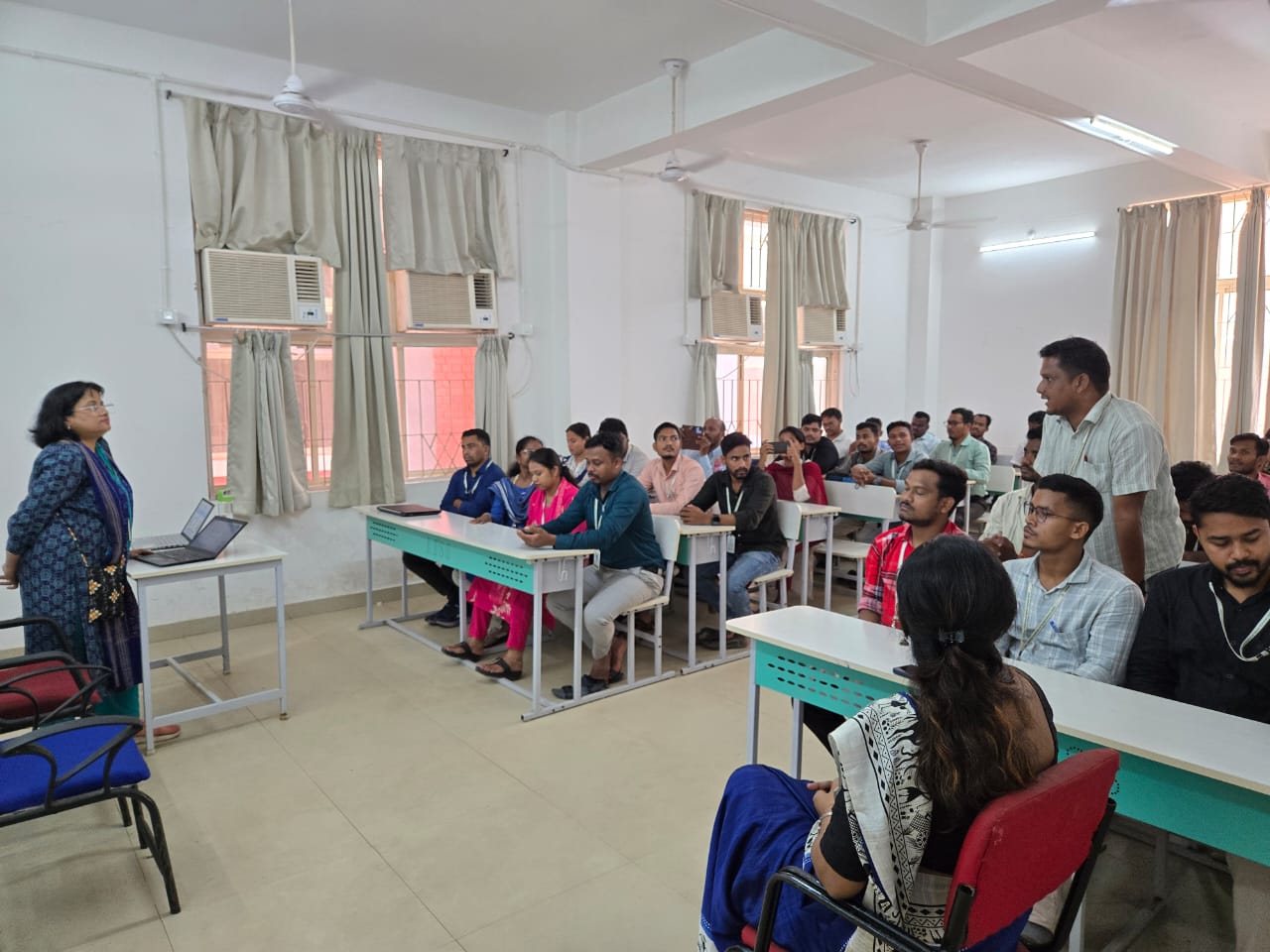
The session was highly interactive and engaging. The research scholars actively participated by asking questions related to research methodology, proposal writing, ethical issues, publication strategies, and challenges faced during research. She addressed each query with practical examples and valuable guidance, making the session informative and inspiring.
The workshop witnessed the enthusiastic participation of approximately 40 research scholars, who remained actively engaged throughout the programme. The interactive discussions encouraged the exchange of ideas and provided participants with practical insights into contemporary research practices.
The workshop successfully achieved its objectives by enhancing participants’ understanding of research ethics, academic integrity, research funding mechanisms, proposal writing and global standards of scholarly research. It motivated scholars to pursue innovative, ethical, and impactful research while adhering to internationally accepted academic practices. The programme also strengthened awareness of quality research and encouraged participants to contribute meaningfully to academic and societal development.
The workshop concluded with a formal Vote of Thanks delivered by Ms. Priyambada Sabar, who expressed sincere gratitude to Dr. Snehalata Das for her insightful and thought-provoking presentation. She also acknowledged the contributions of Dr. Arpana Premi Lina Oraon, Mr. Krishna Sardar, Mr. Niranjan Lakra and all the participants for making the programme successful.
Overall, the workshop proved to be a valuable academic initiative that enriched the knowledge of the research scholars and reinforced the importance of research excellence, ethical scholarship, funding awareness, and global best practices.