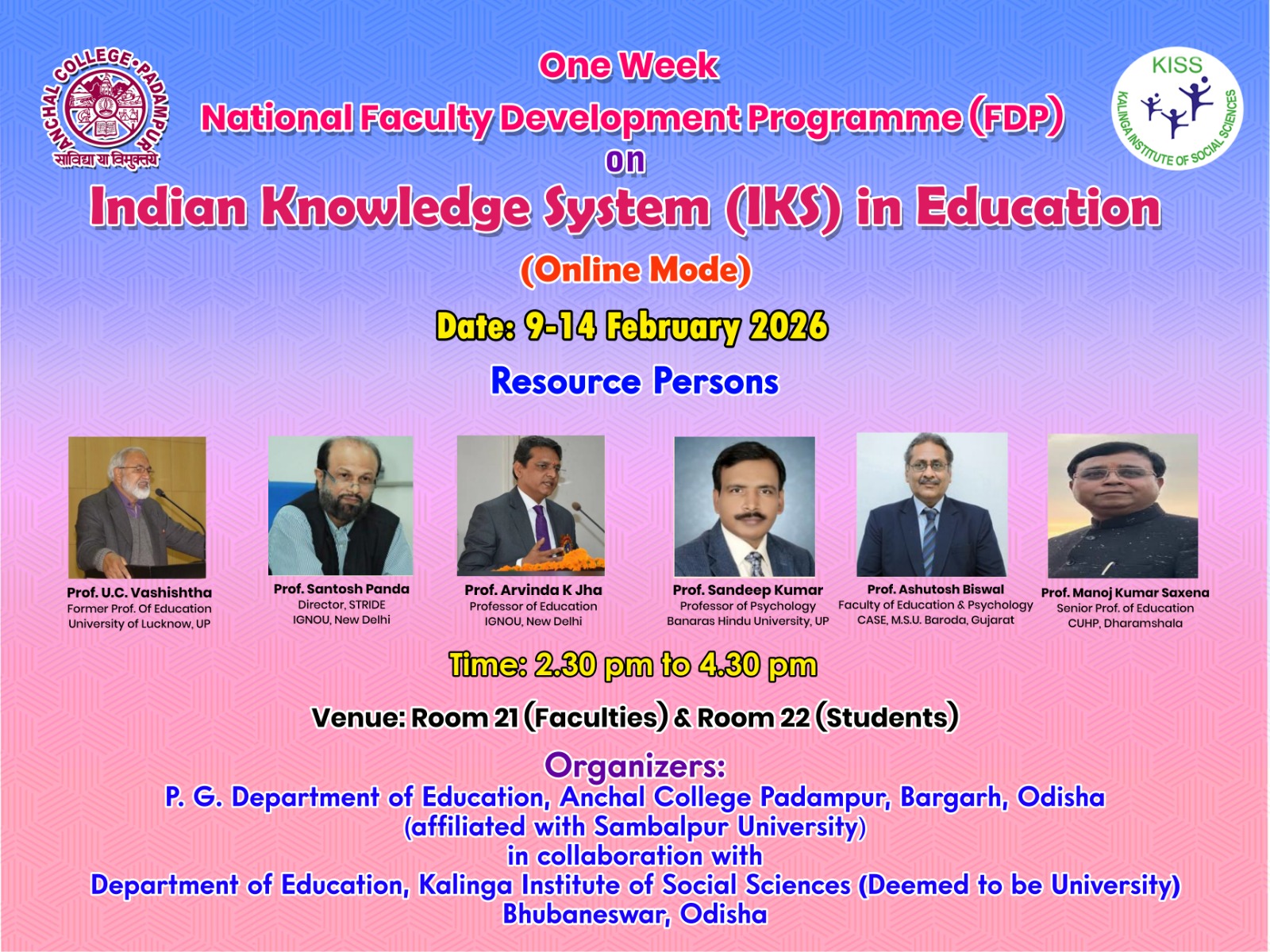
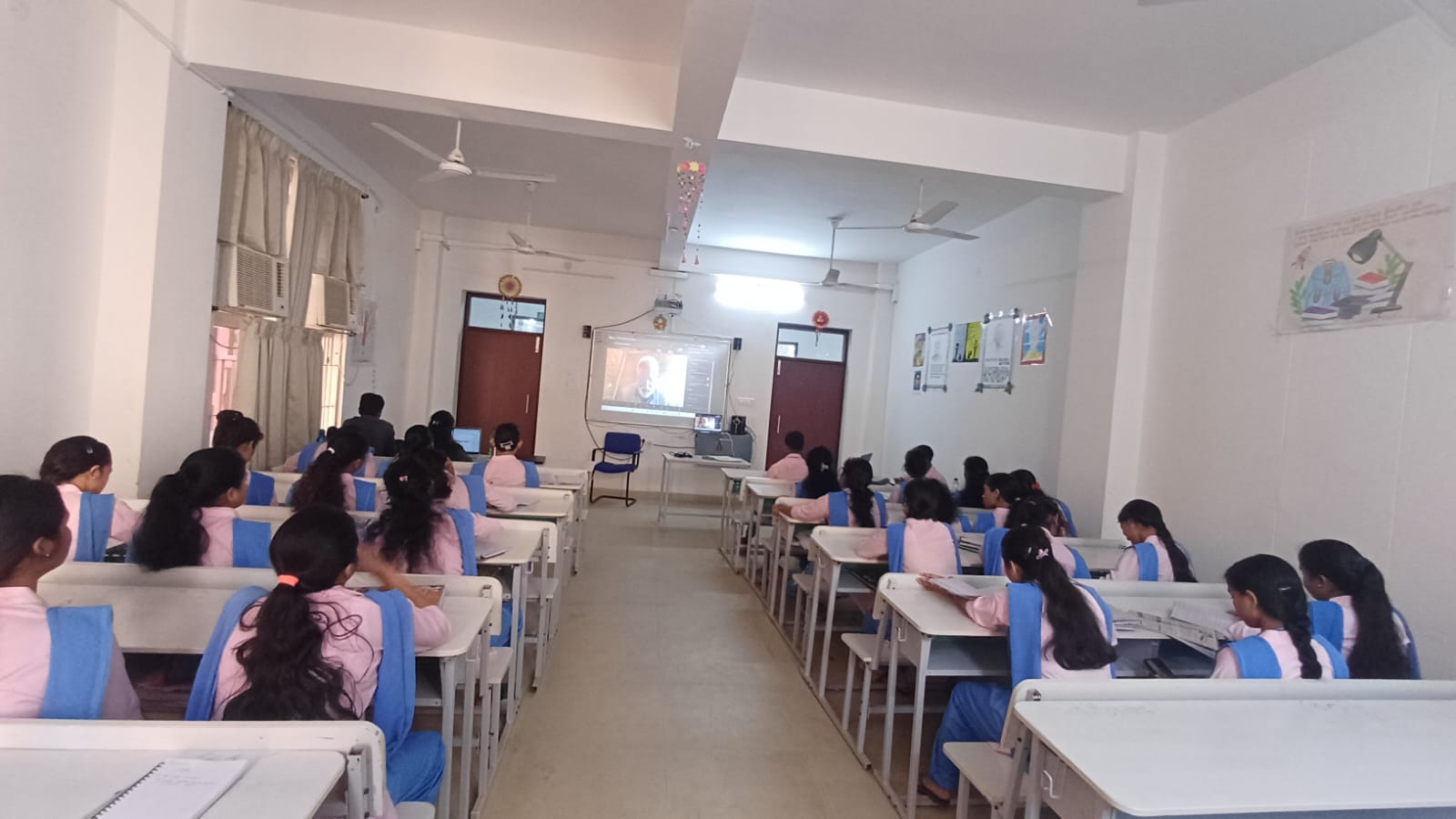
A Faculty Development Programme (FDP) was jointly organized by the PG Department of Education, Anchal College, in collaboration with the Department of Education, Kalinga Institute of Social Sciences, in online mode from 9th to 14th February 2026.
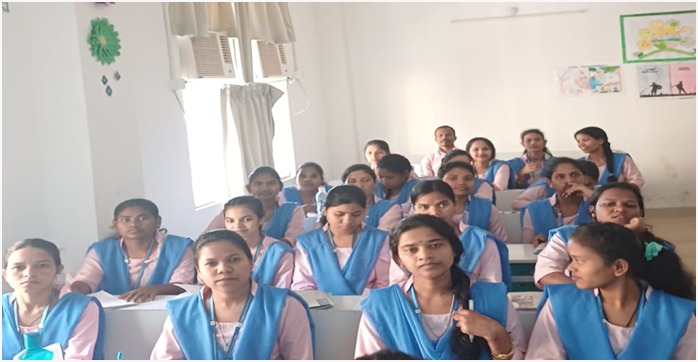
The six-day programme witnessed enthusiastic participation from faculty members, researchers, and academicians across India. The FDP served as a dynamic academic platform for intellectual exchange, professional enrichment, and collaborative learning. Participants engaged actively in the sessions, reflecting their keen interest and commitment toward academic excellence and continuous professional development.
Day- 1
The programme commenced with a warm and inspiring welcome address by Prof. Khageswar Dash, Principal of Anchal College, who highlighted the significance of Faculty Development Programmes in enhancing academic excellence and professional competence among educators.
The distinguished guest was formally introduced by Dr. T.K. Sahu, who briefly outlined the academic achievements and contributions of the Resource Person. The theme of the programme was elaborated by Dr. Venkateswar Meher, who provided an insightful overview of its contemporary relevance and importance in the present educational scenario.
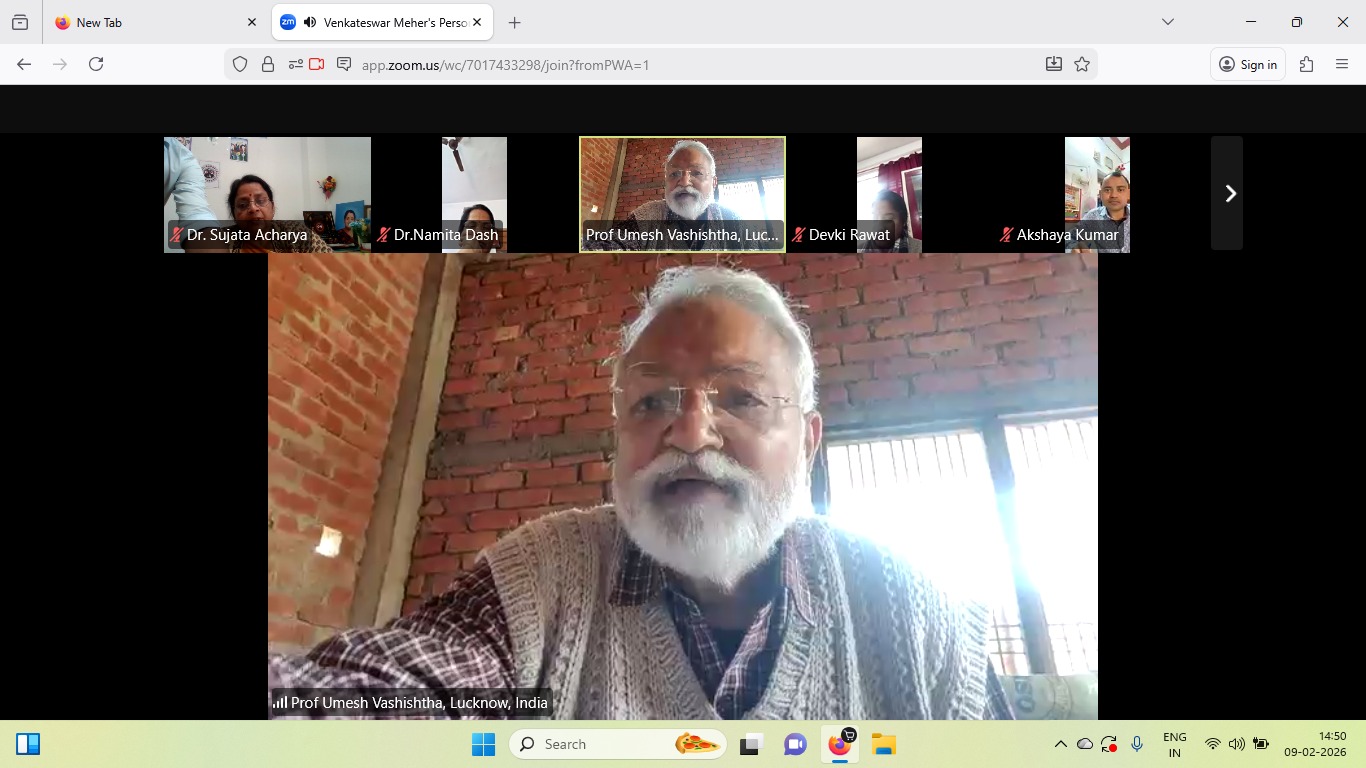
The technical session was conducted by the esteemed Resource Person, Prof. U.C. Vashishtha, Former Professor of Education, University of Lucknow, UP on the topic “Indian Knowledge Systems (IKS): Concept, Scope and Educational Relevance.” He lucidly explained the philosophical foundations, multidimensional scope, and educational implications of Indian Knowledge Systems, emphasizing their integration into modern curricula. The session was highly engaging and intellectually stimulating.
It was followed by an interactive question–answer session, wherein participants actively raised queries and shared their perspectives. The Resource Person addressed all questions with clarity and depth, enriching the understanding of the participants.
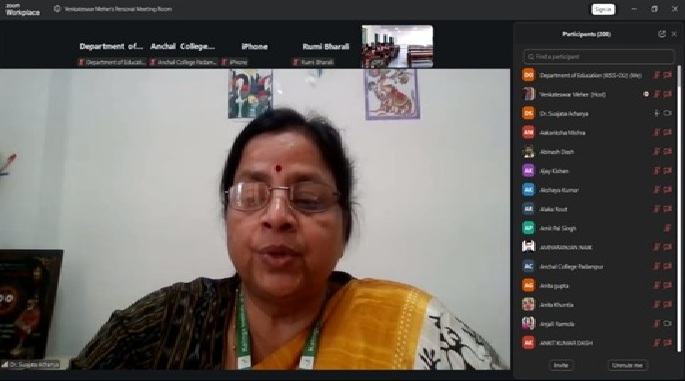
The programme concluded with a heartfelt vote of thanks proposed by Dr. Sujata Acharya, who expressed sincere gratitude to the Principal, the Resource Person, organizing committee members, and all participants for their active involvement and cooperation in making the event a grand success. The session was moderated by Dr. Sasmita Meher.
Day-2
The session commenced with a warm and inspiring welcome address by Prof. Khageswar Dash, Principal of Anchal College, who highlighted the transformative potential of Indian Knowledge Systems (IKS) in redefining higher education in the light of contemporary reforms.
The distinguished Resource Person was formally introduced by Dr. Sujata Acharya, Dean, School of Tribal Heritage and Tribal Indology (STHTI), Kalinga Institute of Social Sciences. She briefly outlined his academic achievements and scholarly contributions in the field of education and policy studies.
The theme of the session was elaborated by Dr. T.K. Sahu, who emphasized the growing relevance of integrating IKS within institutional frameworks to align with the vision of the National Education Policy 2020.
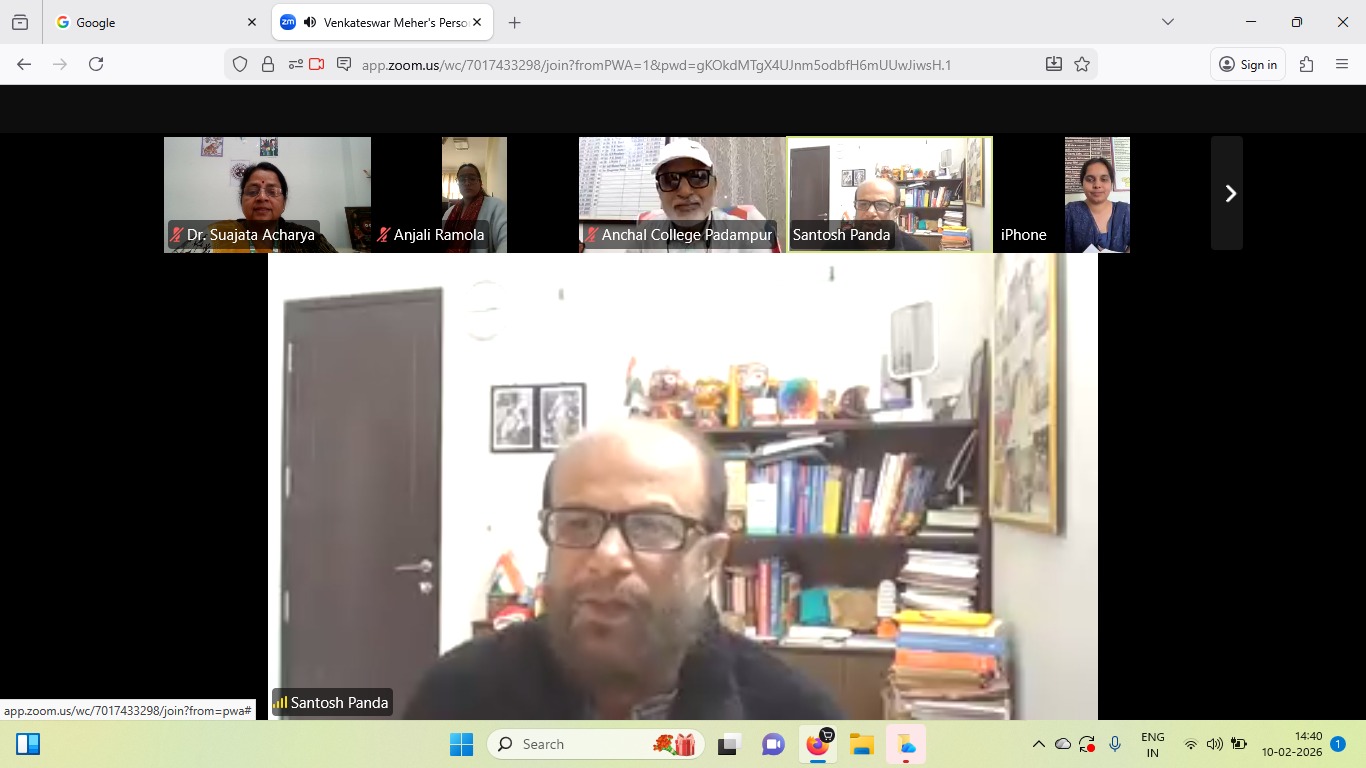
The technical session was delivered by Prof. Santosh Panda, Director, STRIDE, IGNOU, New Delhi on the topic “IKS in NEP 2020: Curriculum, Pedagogy and Institutional Implementation.” In his comprehensive lecture, he discussed the concept of IKS as incorporated in NEP 2020 and explained how the policy envisions multidisciplinary and cross-disciplinary education. He elaborated on flexible curriculum design, the structure and significance of the four-year undergraduate programme, and the importance of developing holistic outcome-based competencies among learners. His presentation provided valuable insights into aligning institutional practices with the broader objectives of educational transformation and cultural rootedness.
The session was followed by an engaging question–answer round, where participants actively interacted with the speaker and sought clarifications on key aspects of curriculum and implementation strategies. Prof. Panda responded thoughtfully, enriching the discussion with practical perspectives.
The programme was efficiently moderated by Dr. S. Meher, ensuring smooth conduct throughout the session. It concluded with a heartfelt vote of thanks proposed by Dr. V. Meher, who expressed sincere gratitude to the Principal, the Resource Person, the organizing team, and all participants for their enthusiastic participation and valuable contributions.
Day-3
The session commenced with a cordial welcome address by Prof. Khageswar Dash, Principal of Anchal College, who emphasized the relevance of Indian Knowledge Systems (IKS) in reshaping contemporary pedagogical practices and fostering value-oriented education.
The distinguished Resource Person was formally introduced by Ms. Saswati Jena, Head of the Department of Education, Kalinga Institute of Social Sciences. She highlighted his academic excellence and contributions to educational philosophy and pedagogy.
The theme of the session was elaborated by Dr. Sujata Acharya, Dean, School of Tribal Heritage and Tribal Indology (STHTI), KISS-DU. She underlined the importance of grounding modern teaching–learning processes in indigenous philosophical traditions and holistic frameworks of knowledge.
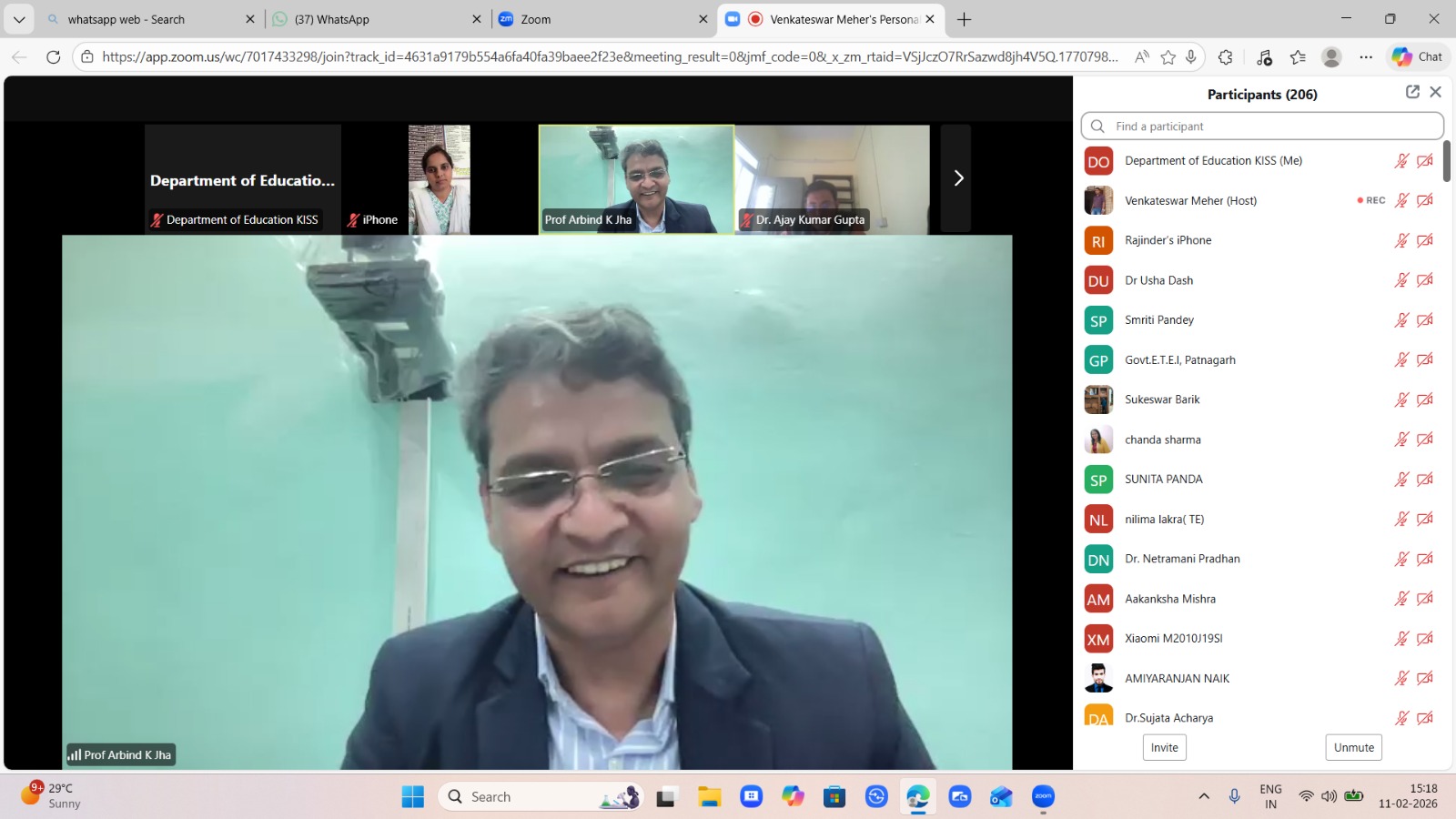
The technical session was delivered by Prof. Arvind K. Jha, Professor of Education, IGNOU, New Delhi on the topic “Pedagogical Models Rooted in IKS: Experiential, Dialogic and Holistic Learning.” In his illuminating lecture, he highlighted key dimensions of IKS-based pedagogy, drawing upon the principles of Nyaya philosophy and its logical foundations, along with Aristotelian syllogistic reasoning for comparative understanding. He also elaborated on the Integral Model of Cosmic Education, levels of awareness, and various Indian schools of thought with special reference to consciousness and holistic development. The session provided profound insights into integrating experiential, dialogic, and reflective approaches within contemporary classrooms.
The lecture was followed by an engaging question–answer session, wherein participants actively interacted with the speaker, seeking clarifications and sharing reflections. Prof. Jha addressed the queries with clarity and scholarly depth.
The session was effectively moderated by Dr. S. Meher, ensuring smooth conduct and meaningful engagement throughout. The programme concluded with a sincere vote of thanks proposed by Dr. V. Meher, who expressed heartfelt gratitude to the Principal, the Resource Person, the dignitaries, and all participants for their valuable presence and enthusiastic participation.
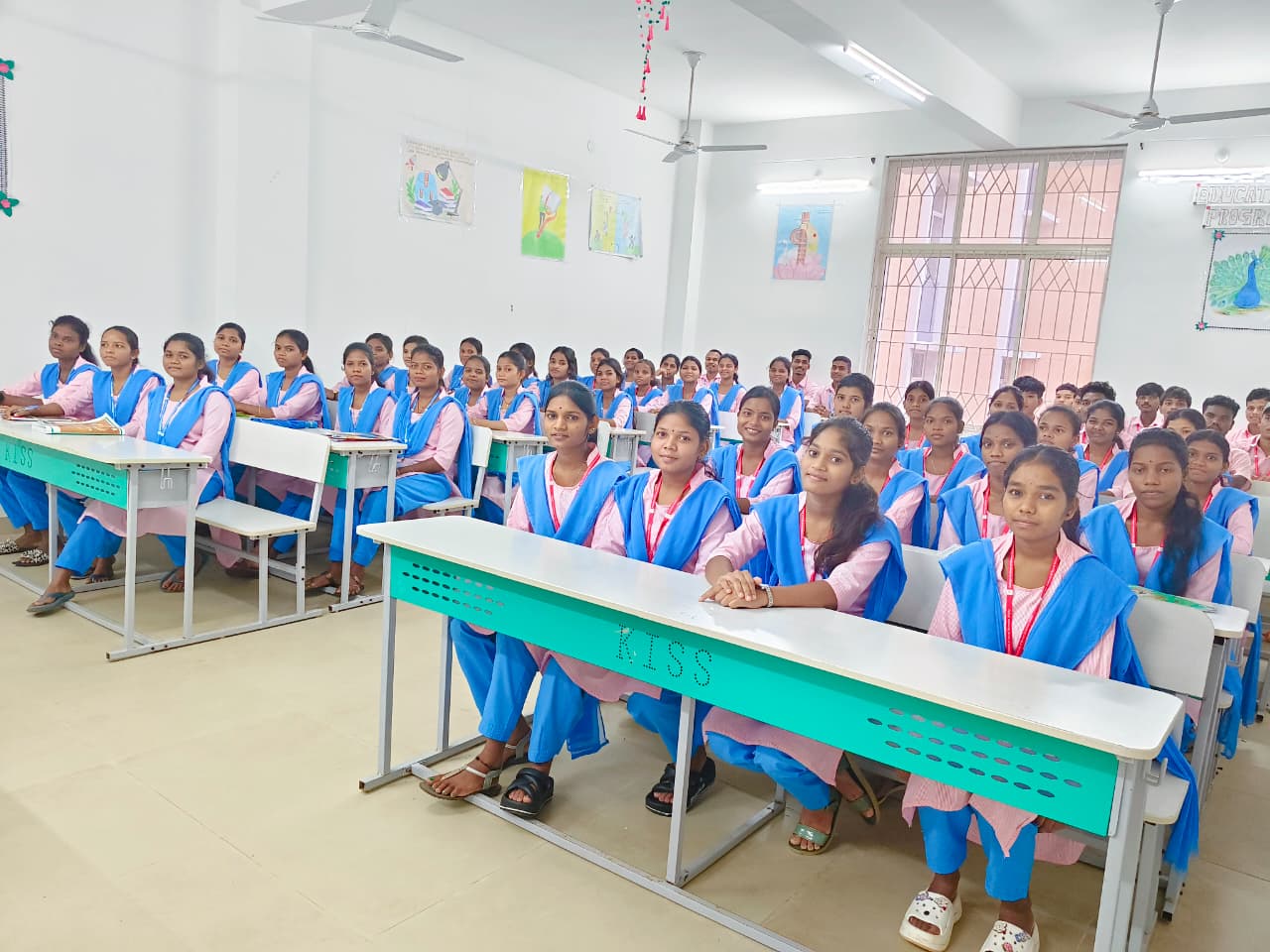
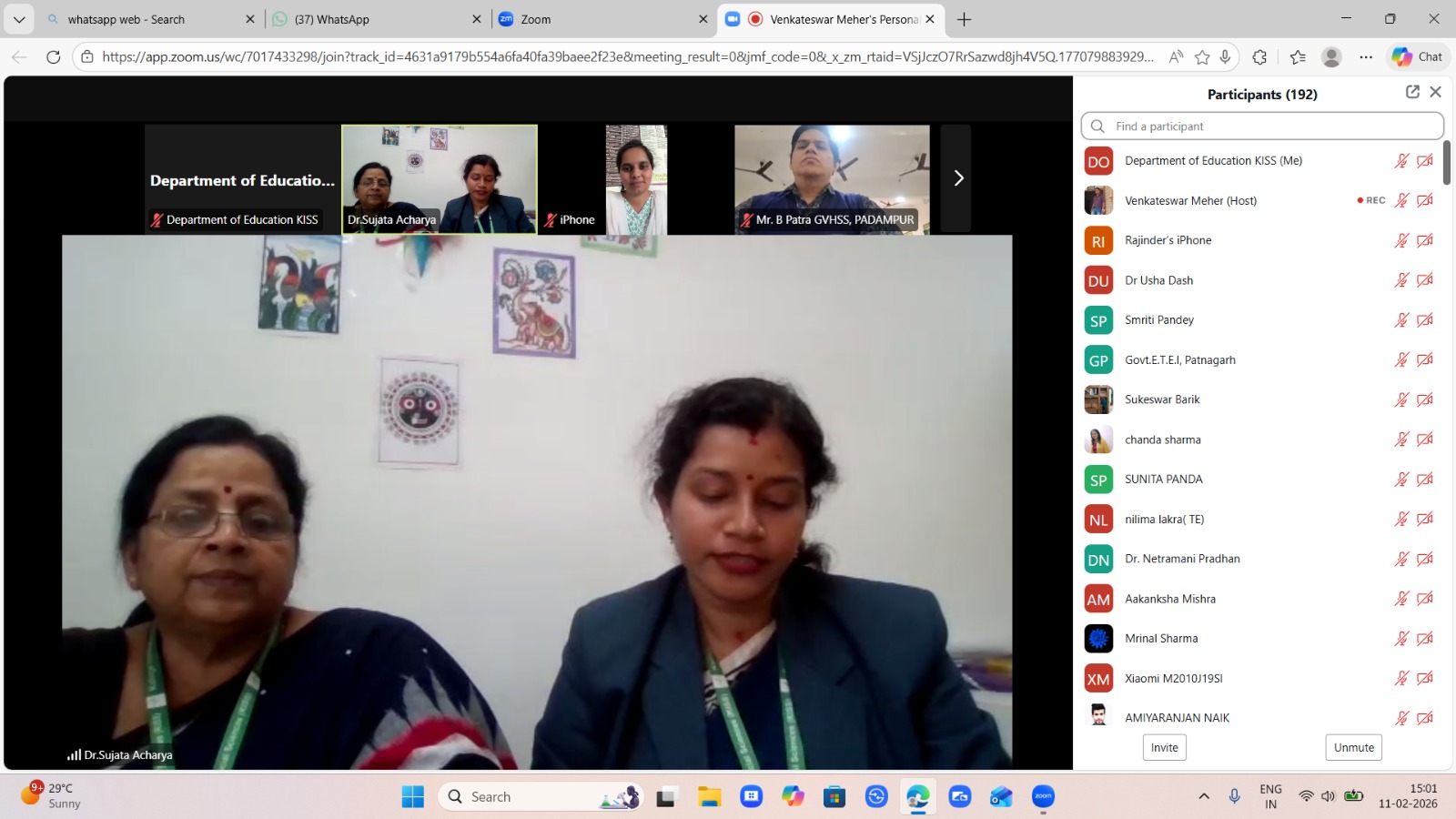
Day-4
The session commenced with a gracious welcome address by Prof. Khageswar Dash, Principal of Anchal College, who emphasized the enduring relevance of Indian Knowledge Systems (IKS) in nurturing ethical consciousness and holistic development among learners. He highlighted the role of educators in integrating value-based perspectives into contemporary academic practices.
The distinguished Resource Person was formally introduced by Dr. S. Meher, who briefly outlined his academic achievements and contributions in the field of education and value studies.
The theme of the session was elaborated by Dr. T.K. Sahu, who underlined the importance of IKS as a foundation for value education, ethical orientation, and the integral growth of students in alignment with India’s educational vision.
The technical session was delivered by Prof. Sandeep Kumar, Professor of Psychology, Banaras Hindu University, UP on the topic “IKS for Value Education, Ethics and Holistic Development of Learners.” In his insightful presentation, he discussed the philosophical underpinnings of Indian Knowledge traditions and referred to key classical texts that guide moral and ethical living. He elaborated on strategies for imparting values in the classroom through reflective pedagogy, dialogue, and experiential learning. The speaker also emphasized community engagement and social responsibility as essential dimensions of holistic education and highlighted practical approaches to integrating Indian Knowledge Systems into curriculum and institutional practices.
The session was followed by an engaging question–answer round, during which participants actively interacted with the Resource Person and sought clarifications on various aspects of value integration and implementation. Prof. Kumar responded with clarity and depth, making the discussion highly enriching.
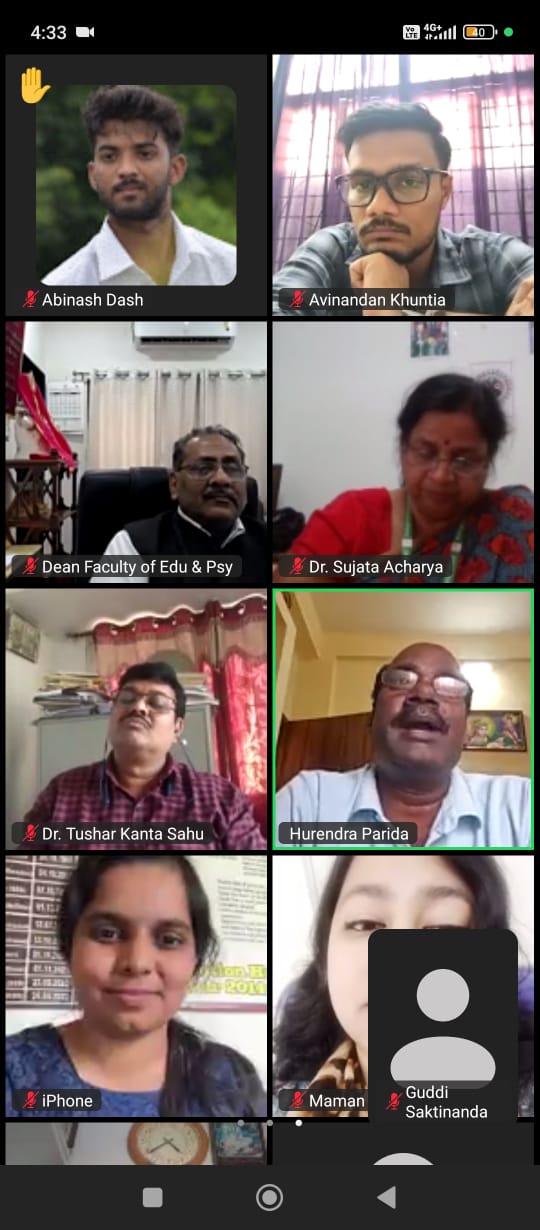
The programme was smoothly moderated by Dr. V. Meher, who ensured effective coordination throughout the session. It concluded with a heartfelt vote of thanks proposed by Ms. Guddi Saktinanda, Faculty, Department of Education, who expressed sincere gratitude to the Principal, the Resource Person, the organizing committee, and all participants for their enthusiastic participation and valuable contributions.
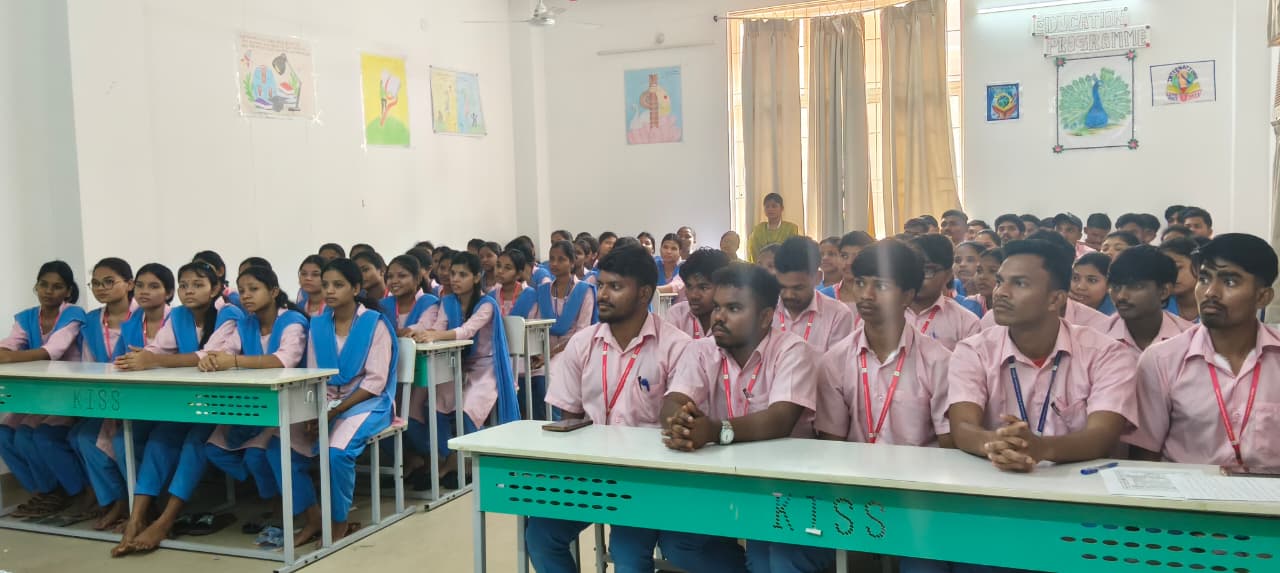
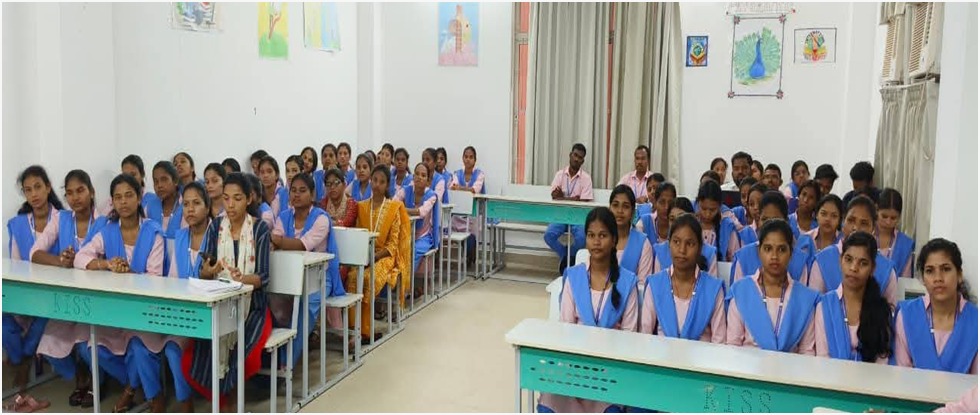
Day-5
The session commenced with a warm welcome address by Prof. Khageswar Dash, Principal of Anchal College, who highlighted the growing importance of research grounded in Indian Knowledge Systems (IKS) for enriching contemporary educational scholarship. He emphasized the need to reconnect research practices with India’s rich intellectual heritage.
The Resource Person was formally introduced by Dr. T.K. Sahu, who briefly outlined his academic credentials and significant contributions to the field of educational research.
The theme of the session was elaborated by Mr. Srikanta Sahu, who underscored the relevance of IKS-based research in the present educational landscape and its alignment with national educational priorities.
The technical session was delivered by Prof. Ashutosh Biswal, Faculty of Education and Psychology, CASE, M.S.U., Baroda, Gujarat on the topic “IKS-based Research in Education: Themes, Methodologies and Future Directions.” In his comprehensive lecture, he discussed the evolving nature of research in education with special reference to the vision of the National Education Policy 2020. He elaborated on the interface between IKS and modern research paradigms, emphasizing the need to strengthen the knowledge base in contemporary research through indigenous epistemological perspectives. The speaker also provided glimpses of ancient Indian centers of learning such as Nalanda, Taxila, and Vikramasila, illustrating their contributions to global knowledge traditions and scholarly inquiry. His presentation offered valuable insights into future directions for IKS-based research in education.
The session was followed by an engaging question–answer round, during which participants actively interacted with the Resource Person and sought clarifications on research themes and methodologies. Prof. Biswal responded thoughtfully, enriching the academic discourse.
The programme was efficiently moderated by Dr. S. Meher, ensuring the smooth conduct of the session. It concluded with a heartfelt vote of thanks proposed by Mr. Hurendra Parida, Faculty Department of Education, who expressed sincere gratitude to the Principal, the Resource Person, the organizers, and all participants for their enthusiastic involvement and valuable contributions.
Day-6
The session began with a warm welcome address by Prof. Khageswar Dash, Principal of Anchal College, who underscored the relevance of Indian Knowledge Systems (IKS) in revitalizing curriculum and classroom practices. He emphasized the need to integrate indigenous wisdom with modern education to ensure holistic and context-sensitive learning.
The distinguished Resource Person was formally introduced by Dr. T.K. Sahu, who highlighted his rich academic experience and notable contributions to the field of education.
The theme of the session was elaborated by Dr. V. Meher, who stressed the importance of embedding IKS into curriculum design and pedagogical frameworks to align education with cultural heritage and sustainable community practices.
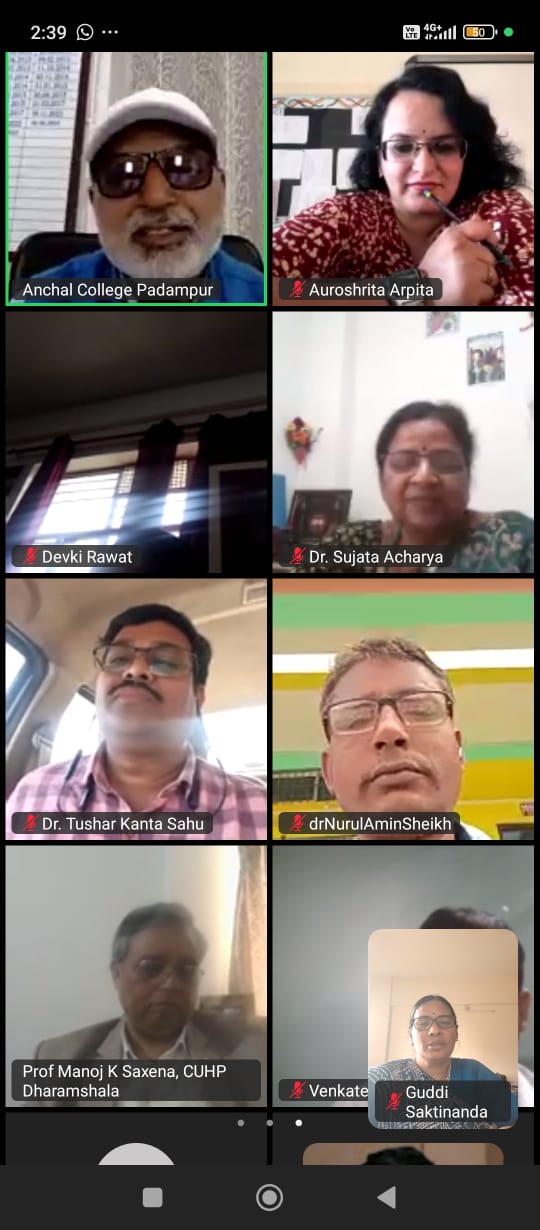
The technical session was delivered by Prof. Manoj Kumar Saxena, Senior Professor of Education, Central University of Himachal Pradesh, on the topic “Integrating IKS into Curriculum Design, Lesson Planning and Classroom Practices.” In his illuminating lecture, he highlighted the significance of connecting the natural practices of villages with formal education. He discussed the educational relevance of indigenous knowledge related to natural medicines, sacred groves, and eco-cultural traditions, emphasizing their integration into lesson planning and classroom engagement. His insights provided practical strategies for contextualizing curriculum and promoting experiential learning rooted in local knowledge systems.
The session was followed by an engaging question–answer round, where participants actively interacted with the speaker and sought clarifications on implementation strategies. Prof. Saxena addressed the queries thoughtfully, enriching the academic discourse.
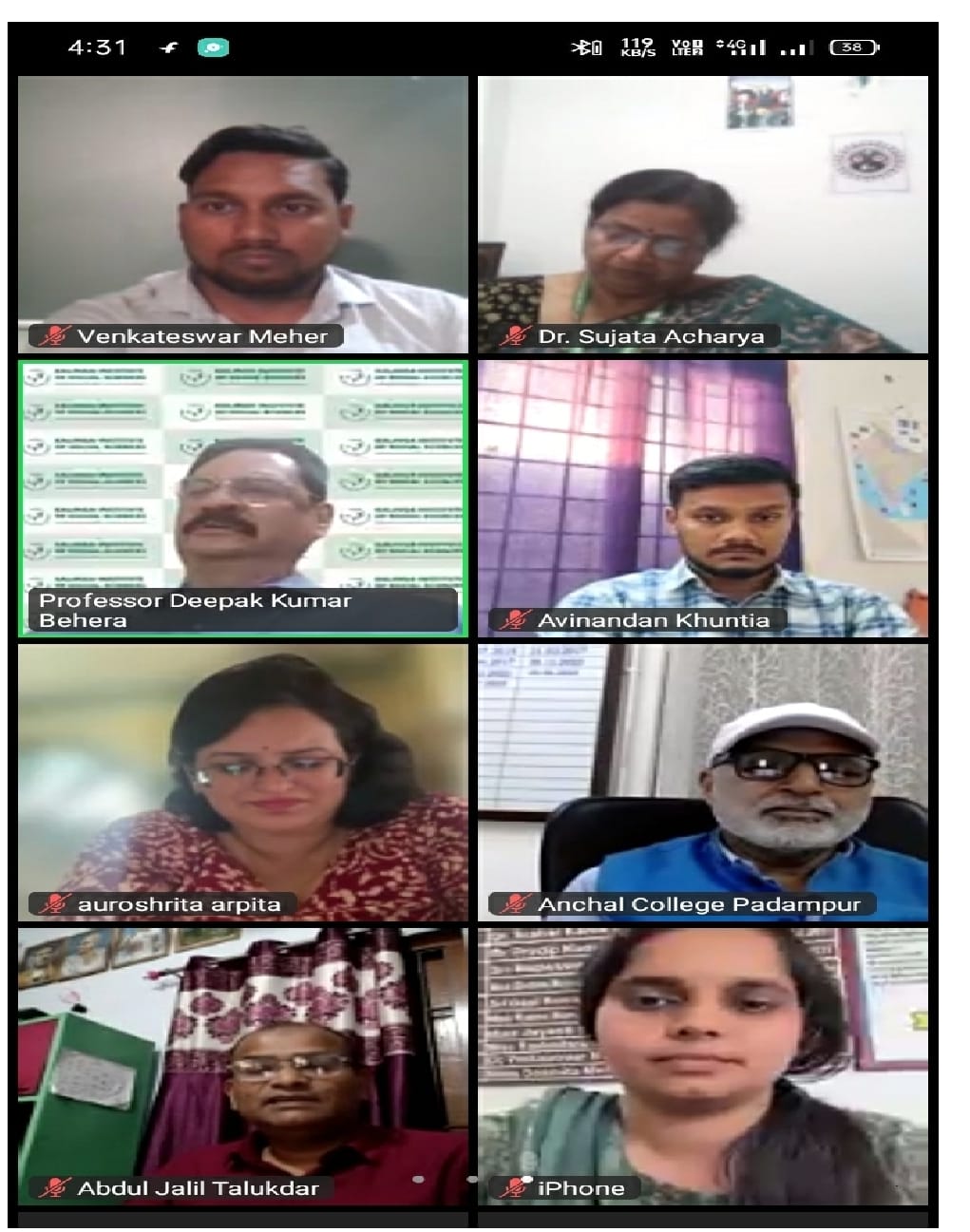
The Chief Guest, Prof. Deepak Kumar Behera, Former Vice-Chancellor and Advisor of Kalinga Institute of Social Sciences, delivered an inspiring address on the significance and preservation of Indian Knowledge Systems. He emphasized the responsibility of academic institutions in safeguarding indigenous traditions while promoting research and innovation grounded in cultural heritage.
Subsequently, Dr. V. Meher presented a comprehensive report on the Faculty Development Programme, summarizing the key deliberations and outcomes of the sessions conducted during the programme.
The session was efficiently moderated by Dr. S. Meher, ensuring smooth coordination throughout. The programme concluded with a heartfelt vote of thanks proposed by Ms. Diptishree Dash, Faculty, Department of Education, who expressed sincere gratitude to the Principal, Chief Guest, Resource Person, organizing committee members, and all participants for their valuable presence and enthusiastic participation, making the FDP a grand success.