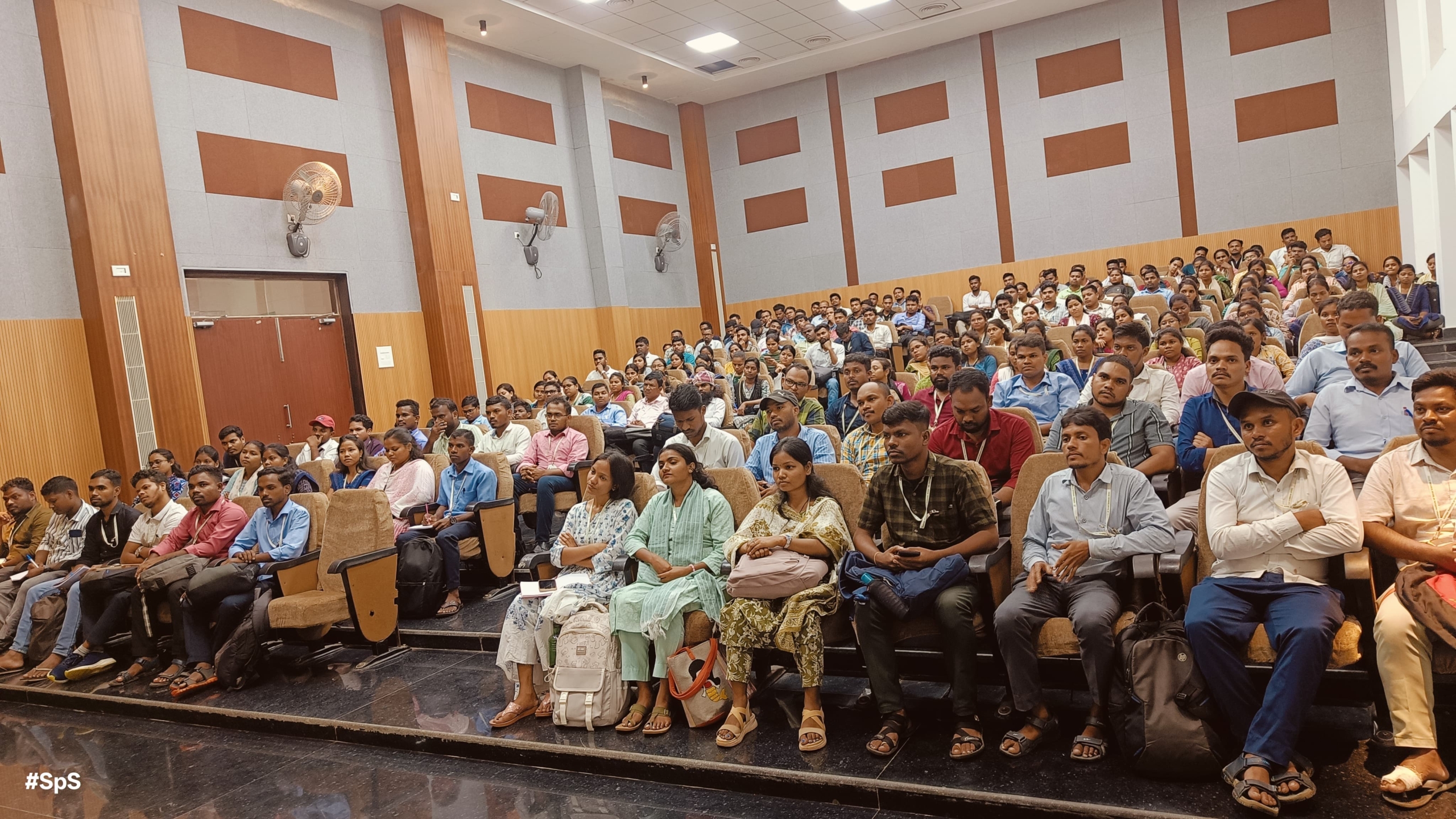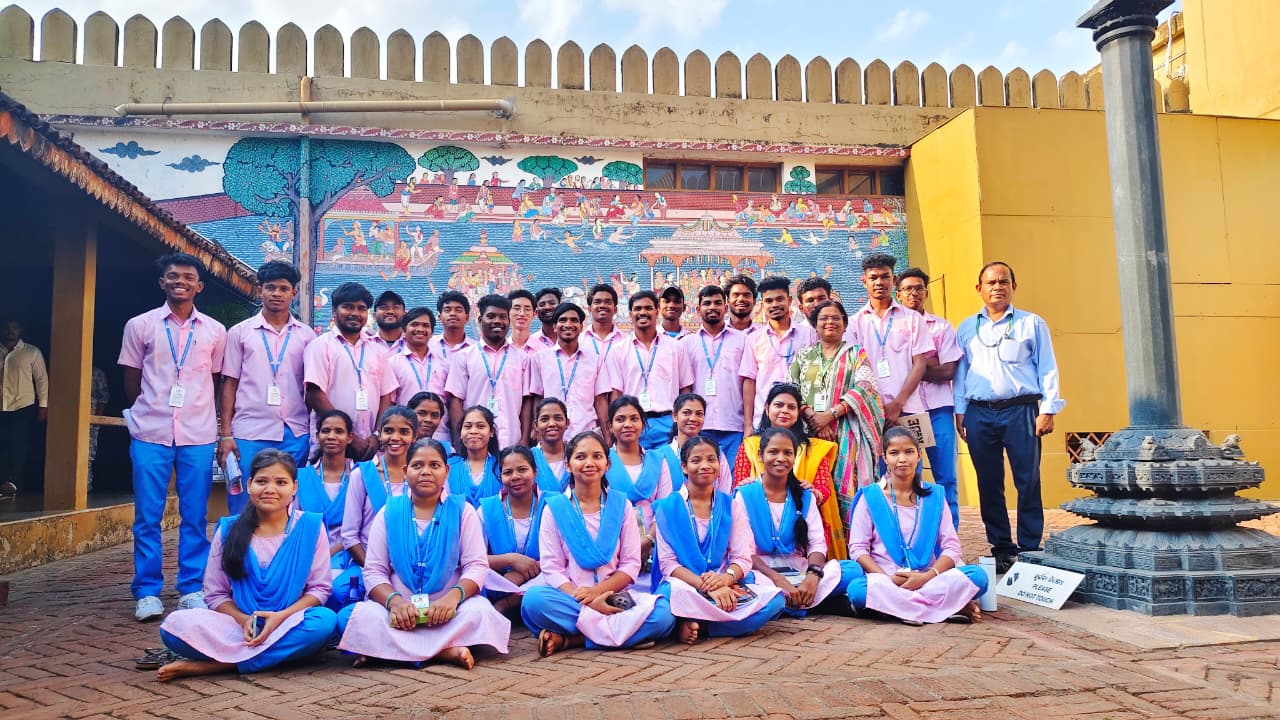
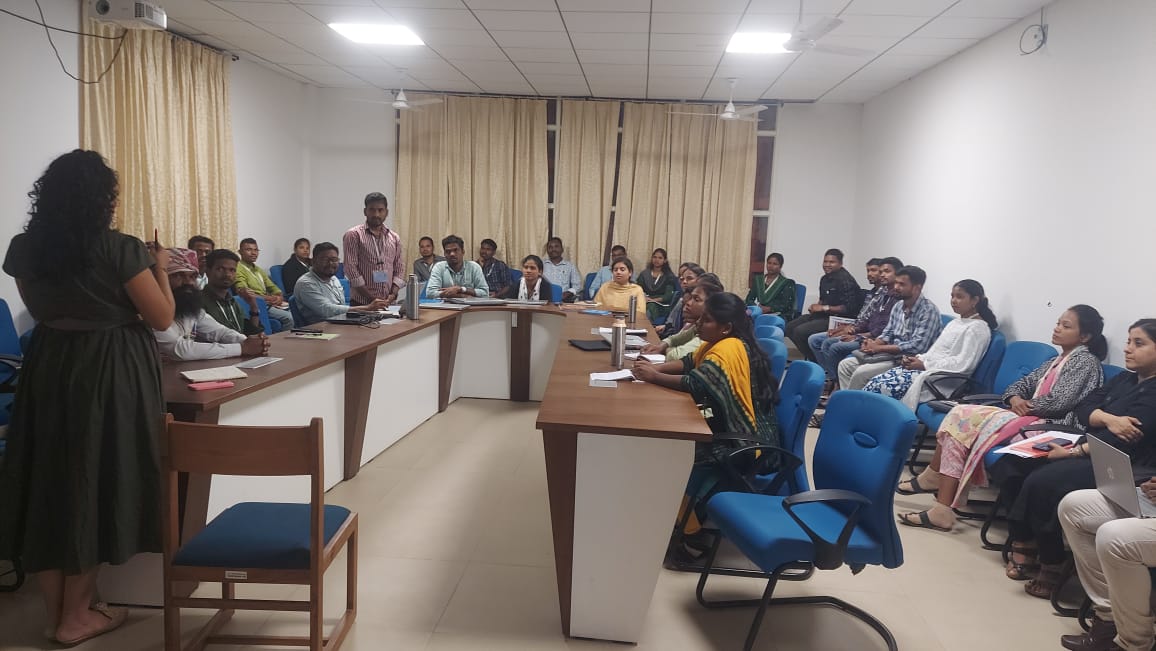
The Kalinga Institute of Social Sciences (KISS) Deemed to be University in collaboration with the Research and Development Cell organized an Awareness Programme on the various scholarship and welfare schemes for the students and research scholars on 22nd September, 2025. The first half of the session included a capacity building programme for the scholars wherein their academic writing skills were honed, and they were briefed about various ways of making their research work relevant.
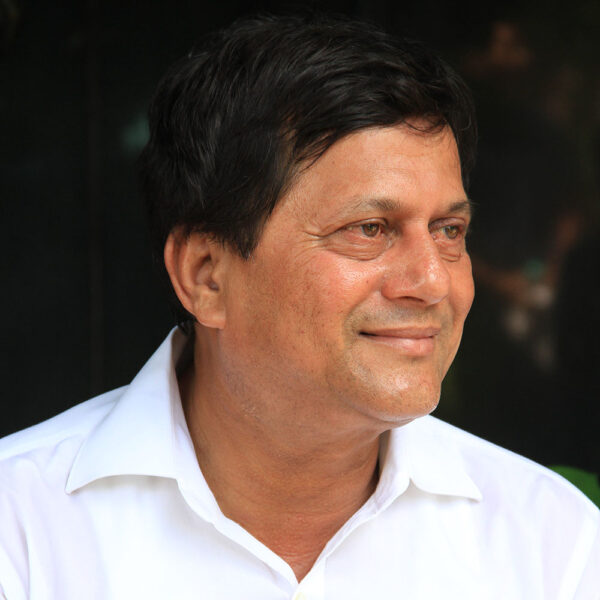
During the second half of the session an awareness programme was organized on various scholars and welfare schemes. Er. Atul Nag, Associate Professor in his presentation talked about some of the scholarship portals like the National Scholarship Portal (NSP) and National Tribal Fellowship Portal. He also highlighted some for the other welfare schemes like Pradhan Mantri Jan Dhan Yojna, Atal Pension Yojna, PM-Ujjwala Yojna, Pradhan Mantri Jeevan Jyoti Yojna and the like. Mr. Nag urged that students to derive benefits out of these schemes and shared the various technicalities of applying for various scholarships and schemes.
Dr. Snigdharani Panda, Associate Professor and Chairperson Council of Deans, initiated the conversation by stressing on the point that Kalinga Institute of Social Sciences is a unique institution exclusively for Indigenous students hailing from remote tribal hinterland and is committed to working on community outreach activities since its inception. In this regard, she underscored the dire need for disseminating information about these schemes and the benefits derived from it. In an endeavour to establish her point, she cited examples, stories and case studies during Covid-19 pandemic and how KISS had played a seminal role in sensitizing about the dos and don’ts and disseminating guidelines issued by WHO at community level. In this regard, she motivated the students and scholars to display same spirit in spreading the benefits and advantages of availing such schemes. Dr. Panda concluded by saying that they should continue to work as change agents and work for the development of their communities in specific and society at large.