Background:
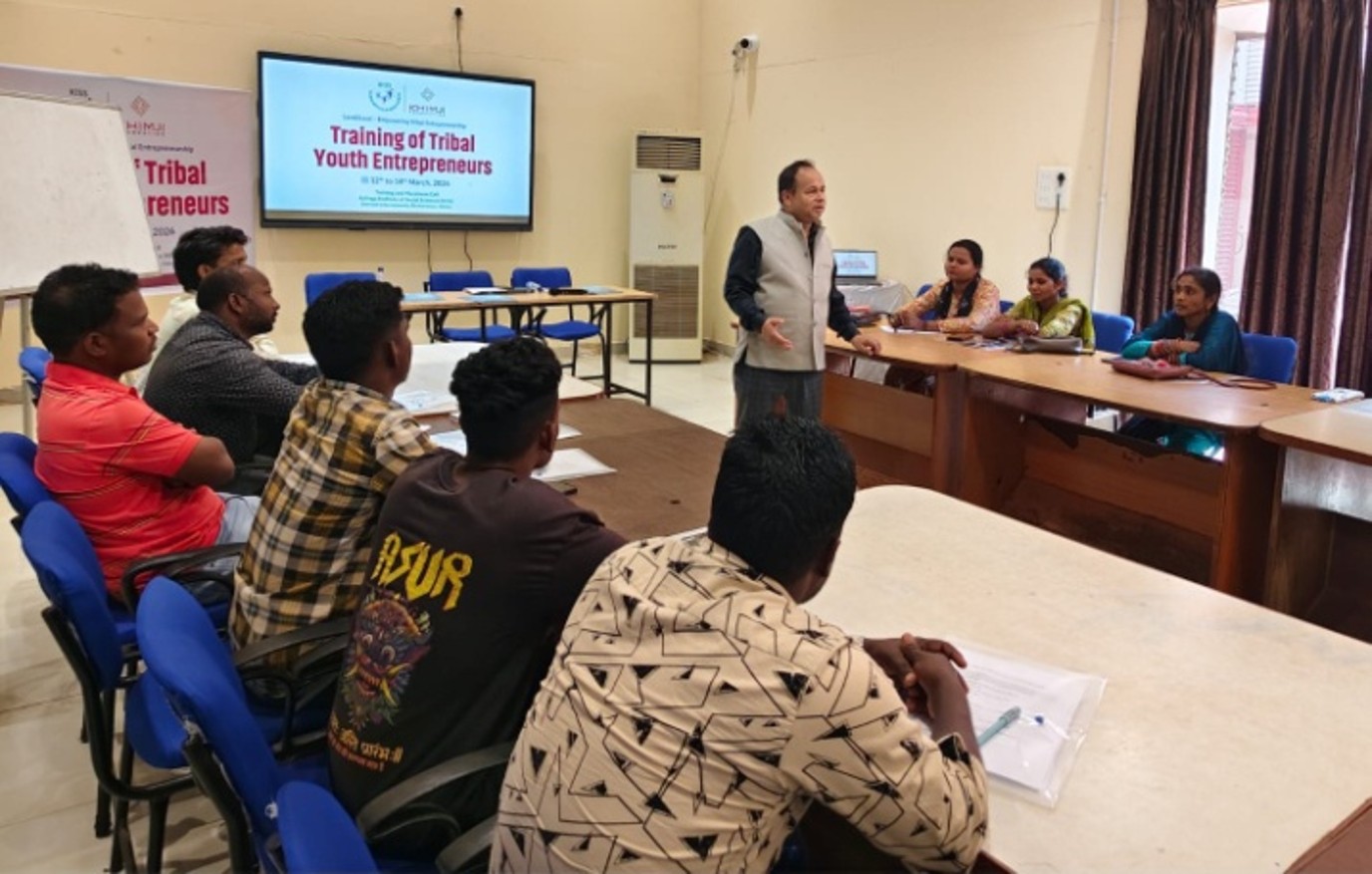
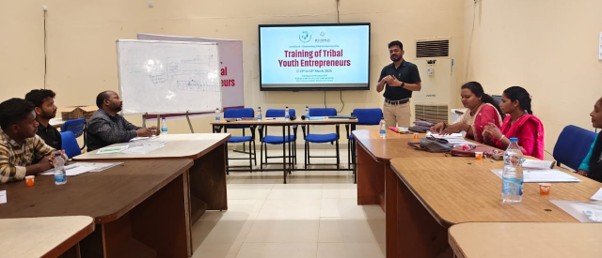
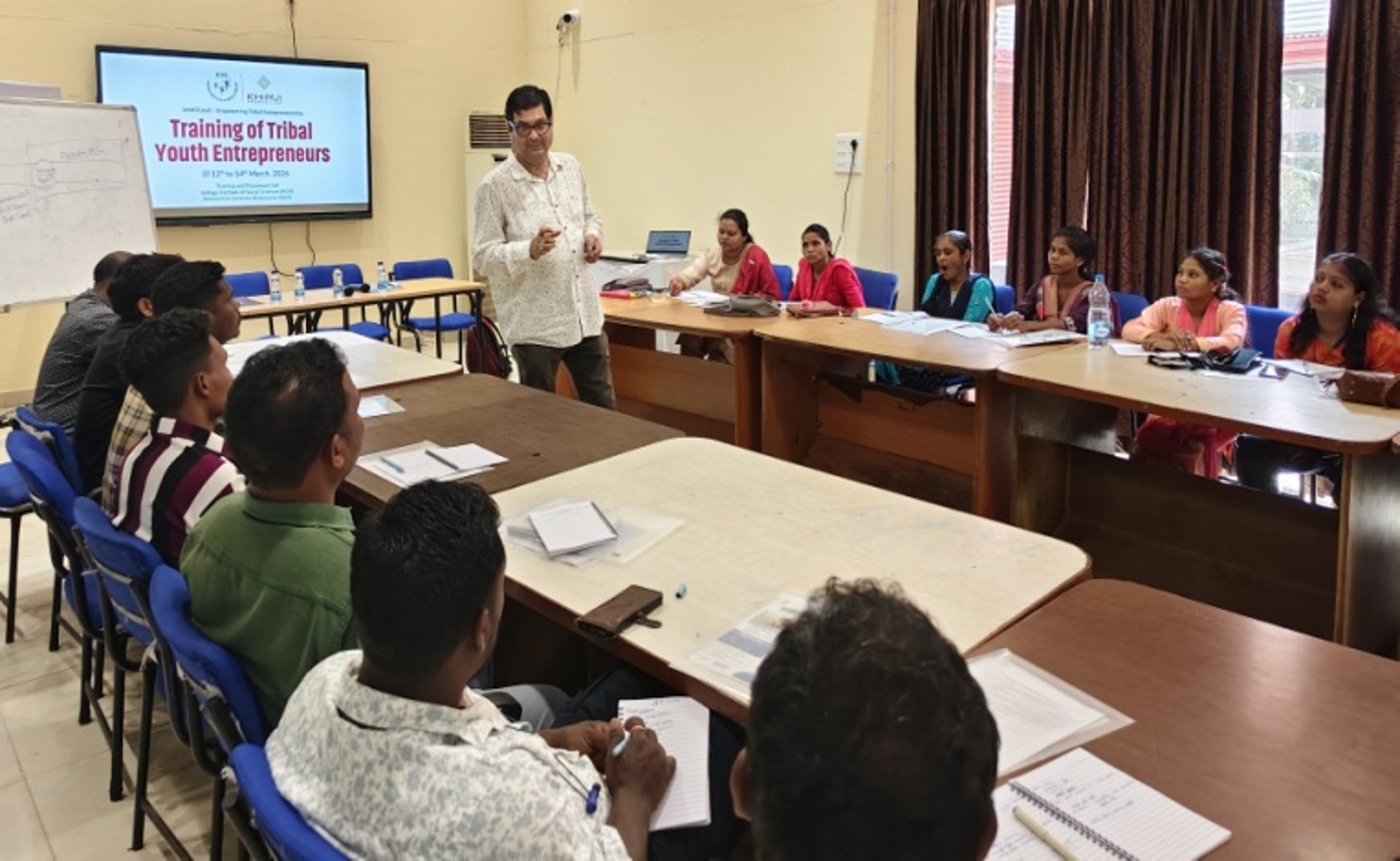
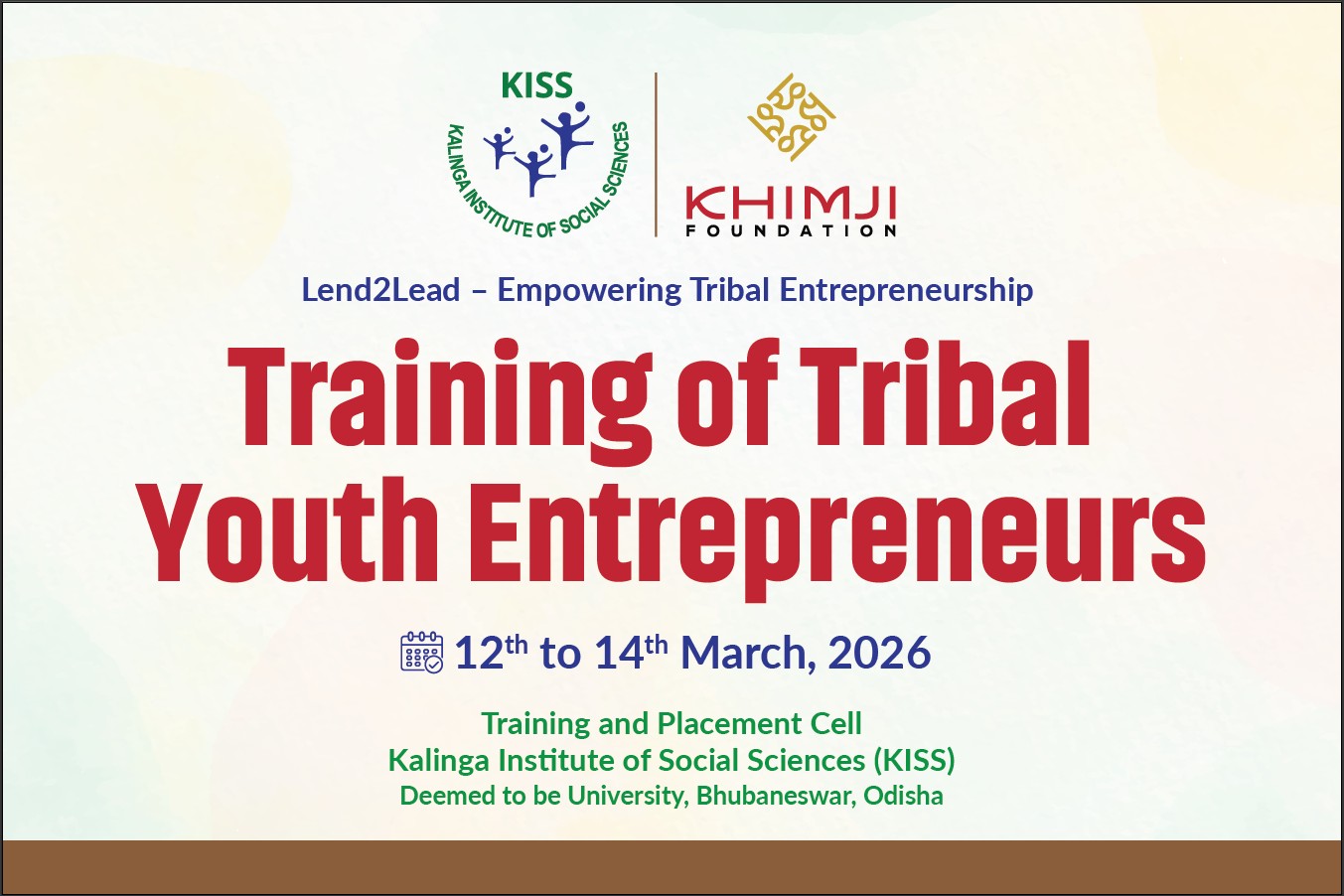
KISS-DU in partnership with Khimji Foundation has taken an initiative called Lend2Lead to support 20 tribal youth in providing in-kind interest-free credit to facilitate small business ventures among tribal youth in enabling sustainable incomes locally and curb seasonal out-migration from vulnerable areas of Laxmipur, Narayanpatna and Bandhugoan block. Lend2Lead is a social initiative dedicated to democratizing access to credit for rural and tribal communities, using awareness-building, stakeholder engagement, and product innovation to promote financial inclusion in marginalized areas. A three day’s residential training program for youth entrepreneurs was conducted from 12th to 14th March 2026 at KISS-DU on the following objectives;
- To promote entrepreneurial mind set among youth.
- To develop leadership and enterprise management skills.
- To upgrade the knowledge of youth on financial and digital literacy
- To sensitize on Sexual and Reproductive Health and Social Issues.
Day: 1
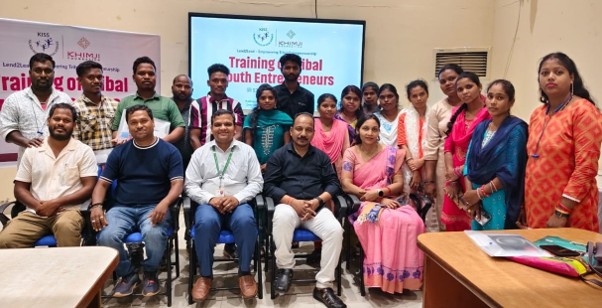
The training program started with the registration of trainees led by Ms. Arpita Raulo, Project Assistant and Mr. Bimal Chandra Rout, District Facilitator. Seventeen youth entrepreneurs from Laxmipur, Bandhugoan and Narayanpatana block of Koraput district participated in the training.
Mr. Debendra Swain, Dy. Director, Partnerships, KISS presented the objective of the training and project components for the understanding of participants.
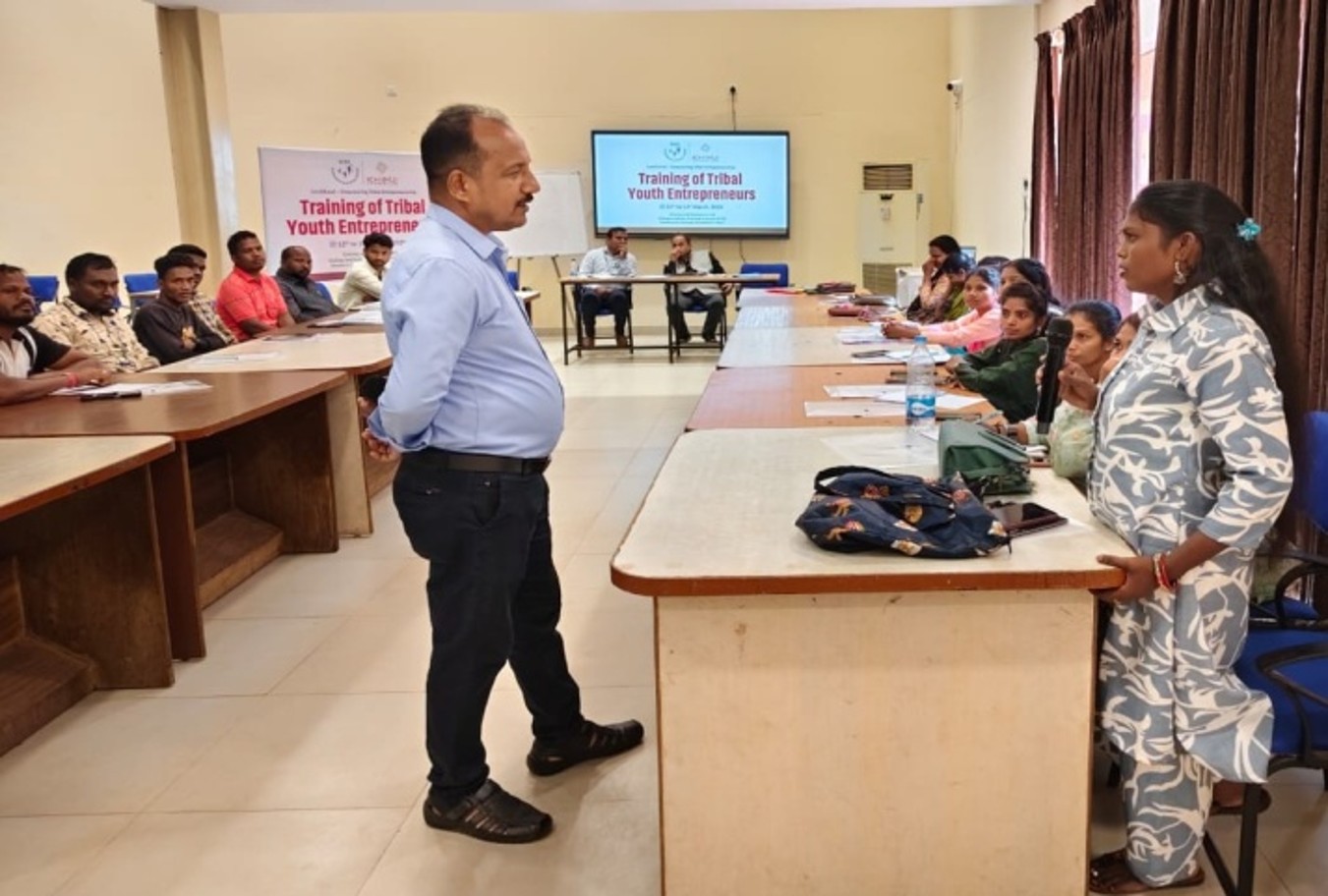
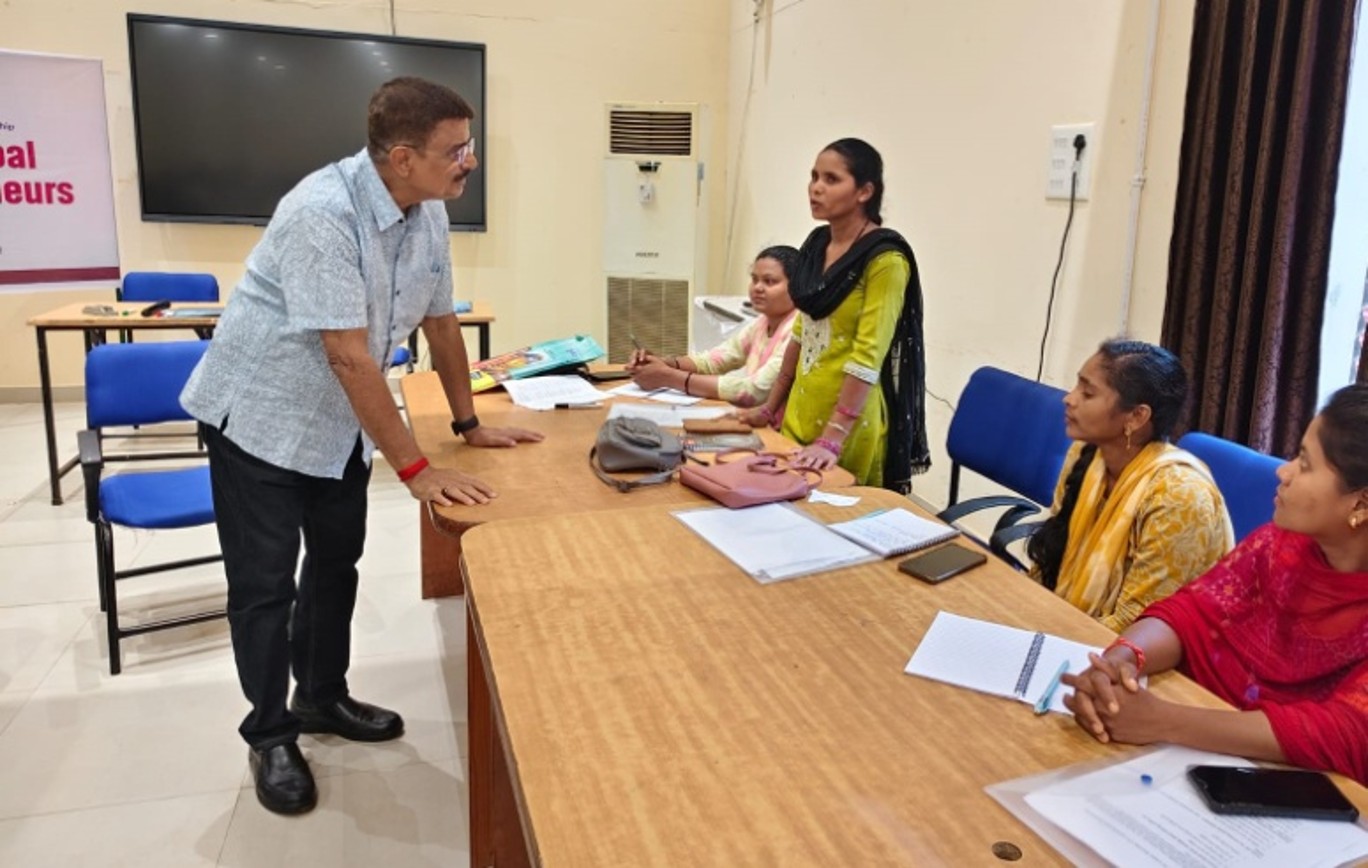
The session on understanding the type of enterprise undertaken by youth was facilitated by Dr. Sabyasachi Rout, Sr. Project Manager, KISS. Youth entrepreneurs shared their status of enterprise and type of support required for its expansion. The session on challenges and opportunities in entrepreneurship was facilitated by Prof. Debasish Mahapatra of KIIT School of Rural Management where he explained how to start a business and types of possible challenges may face by the entrepreneurs.
After lunch session Mr. Bishnu Prasad Panda, Freelance Consultant facilitated the session on entrepreneurship, How to set up and manage an enterprise and skills of required for an Entrepreneur.
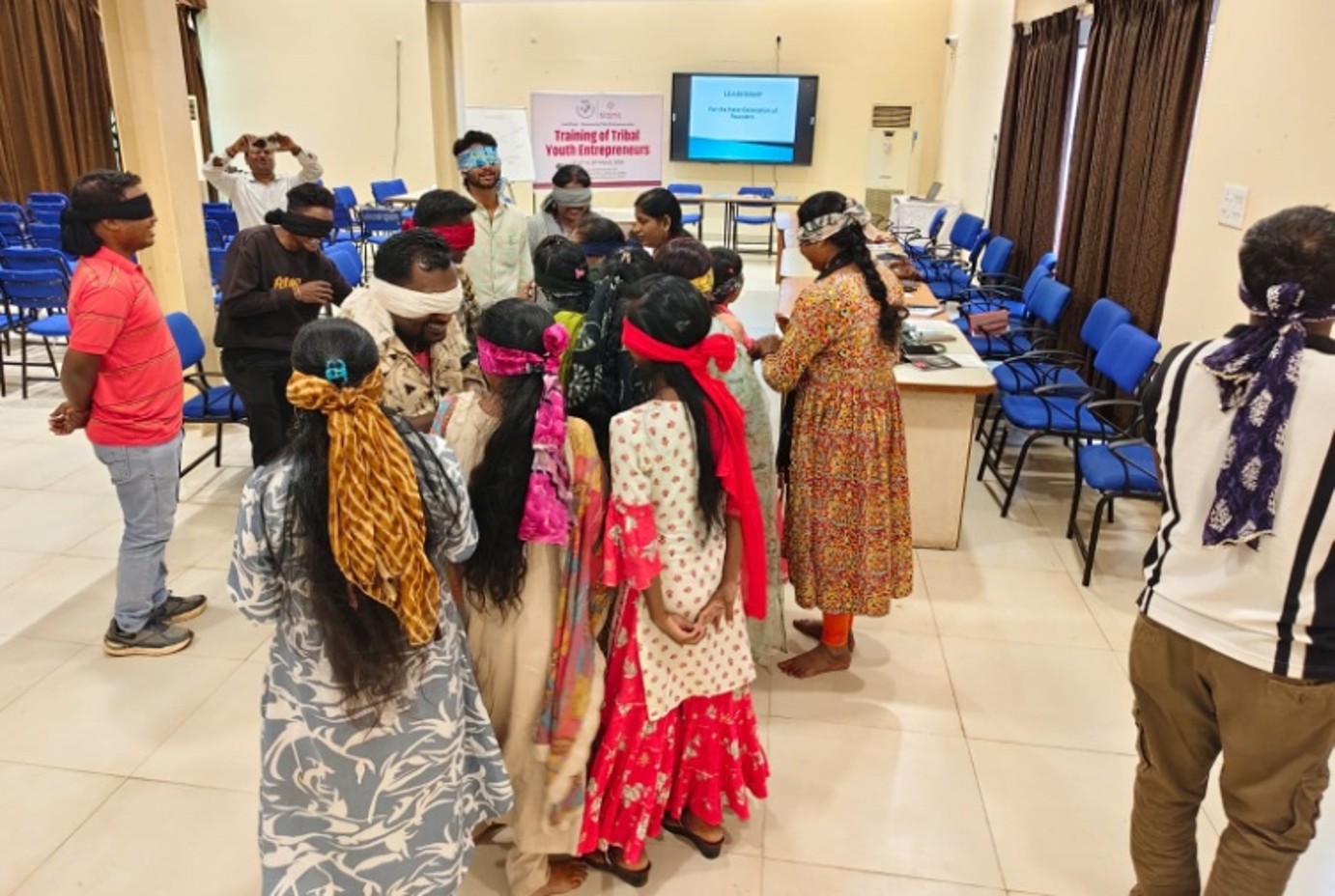
A session on integrated farming system focus on poultry and goatery was taken by Mr. Soumya Soubhagya Pati, an Entrepreneur. He elaborated how to start these two farm business. The day ended with a session on leadership taken by Dr. Sasmita Pattnaik where she emphasized the importance of the leadership quality to be an entrepreneur.
Day:2
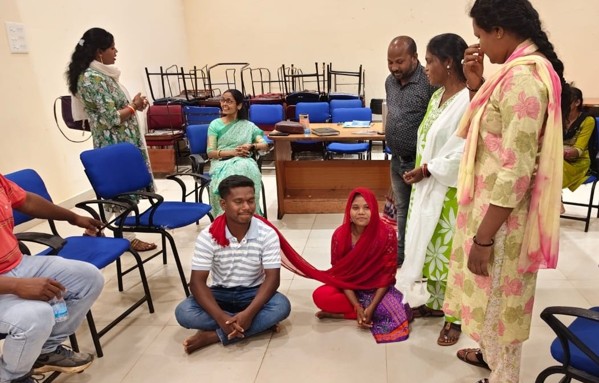
The second day began with the session – life skills for healthy life taken by Ms. Bedamati Pattnaik. She presented the concept and importance of life skills to the group, followed by 10 core life skills and how they reflect in one’s personality. Skills are abilities to do any work. Through a participatory approach, she categorized Skills of an individual, such as ;
- Literacy Skill
- Language skill
- Functional skill
- Vocational skill
- Sports skill
- Cultural skill
- Recreational skill
- Life Skills – Psychosocial skills
As per World Health Organization (WHO) “Life skills are abilities for adaptive and positive behavior that enable individuals to deal effectively with the demands and challenges of everyday life”. Dept. of Mental Health, WHO has stressed on 10 core life skills of an individual uses to lead a healthy and positive life.
Ms. Sangeeta Parida talked about changes like physical, mental, social during adolescence. The participants were divided in groups and assigned for developing a human structure (male and female) in chart paper. Then the participants were asked to mark the body organs. This exercise broke the inhibition of the participants to address the reproductive health issues. With this exercise the facilitator explained the different physiological changes during adolescence which helped the participants to understand and clarify their doubts on reproductive and sexual health. Further, she explained about menstruation, its process and myths and misconceptions associated with it.
It was followed with the topic Conception and Contraception by Dr. Sabyasachi Rout in which he disseminated the concept through power point presentation. This session addressed contraceptive measures and hygiene of sexual organs. This session addressed contraceptive measures of both temporary and permanent. Participants were informed about the method which adolescents may adopt such as abstinence, condom and OCP.
In a group work, participants were informed about various air borne and water borne diseases as well as on the internal reproductive organs of female and the causes of RTI. The facilitator explained about the causes of RTI such as lack of genital hygiene, lack of menstrual hygiene, lack of personal hygiene, untreated STI and UTI, physical contact, during insertion of copper T or IUD, unsafe abortion (induced and Medical Termination of Pregnancy), etc. The message was ‘all STIs are RTIs but all RTIs are not STIs’. Participants were made understood about the consequences of RTI such as low weight baby, pre-mature baby, still birth baby, ectopic pregnancy, infertility, unsafe motherhood etc.
This session was followed by a presentation, wherein the participants were informed about Sexually Transmitted Infections (STI). Indepth discussion was carried out on the risks attached to it and ways of controlling. Some of the methods such as practicing safe sex, using barriers, delaying first intercourse, etc. were highlighted as means to control STI.
Then, the session on HIV/AIDs was explained through a demonstration method about the myths and misconceptions about HIV/AIDs. Participants were also explained about the roots of transmission and its prevention. The facilitator also explained about the preventive approach like ABC method. (A – Abstinence, B – Be faithful to the partner, C – Correct and Consistent use of condoms).
Ms. Sangeeta Parida discussed on the early marriage and teen age pregnancy. She highlighted the causes and consequences of early marriage. Also touched upon legal age for marriage and need of appropriate growth of sexual organs for better child care
Mr. Saroj Das, Director, Social Projects, KISS facilitated the session on flagship program – Tribal livelihood. He focused on different schemes and programs available for tribal livelihoods and how youth entrepreneurs can avail to expand their business.
Day:3
A third day session started with the topic Non Timber Forest Products (NTFP) facilitated by Mr. Deepak Kumar Mishra, Freelance Consultant. He emphasized that one must start the enterprise depending upon the forest products available in the area as well as ensure its market linkage prior to set up the enterprise.
A session on financial and digital literacy taken by Mr. Padmalochan Routray , Consultant, Odisha Livelihood Mission, through participatory approach. where participants were engaged more effectively. He emphasized on reporting mechanism for digital fraud.
Ms. Deepti Pattnaik, Technical Expert, PRADAN facilitated the session on Safe migration. She emphasized that safe migration is the process of moving between countries or regions in a lawful, informed, and secure manners, minimizing risks like exploitation, human trafficking, and abuse. She also highlighted that starting an enterprise will stop migration of youth.
In the post lunch session, Dr. Sabyasachi Rout oriented youth entrepreneurs on the process of organising the community outreach activities at village and GP level. He asked participants to identify community specific issues and involve community stakeholders while organising the program.
Mr. Debendra Swain briefed on the activities to be carried out by youth in coming months. The training was ended with a word of thanks by Ms. Arpita Raulo.