Bridging Indigenous Wisdom and Science: Traditional Arthritis Therapy in Odisha
The KISS Science, Technology and Innovation (STI) Hub for Tribals has initiated a collaborative research project to scientifically validate a traditional tribal remedy for arthritis, joint pain, and edema. The study bridges indigenous healing wisdom with modern pharmacology while preserving invaluable ethnomedicinal heritage.
The Healer and the Remedy
The research centers on an indigenous polyherbal decoction prepared by Mr. Lambura Pradhan, a 68-year-old respected tribal healer from Ardibiti village in Raikia, Kandhamal. Based on his empirical practices, nine locally available medicinal plant species were selected for evaluation:
- Careya arborea (Kumbhi)
- Butea monosperma (Palash)
- Buchanania lanzan (Char)
- Piper nigrum (Black Pepper)
- Mangifera indica (Mango)
- Madhuca longifolia (Mahua)
- Terminalia arjuna (Arjuna)
- Pterocarpus marsupium (Piasal)
- Shorea robusta (Sal)
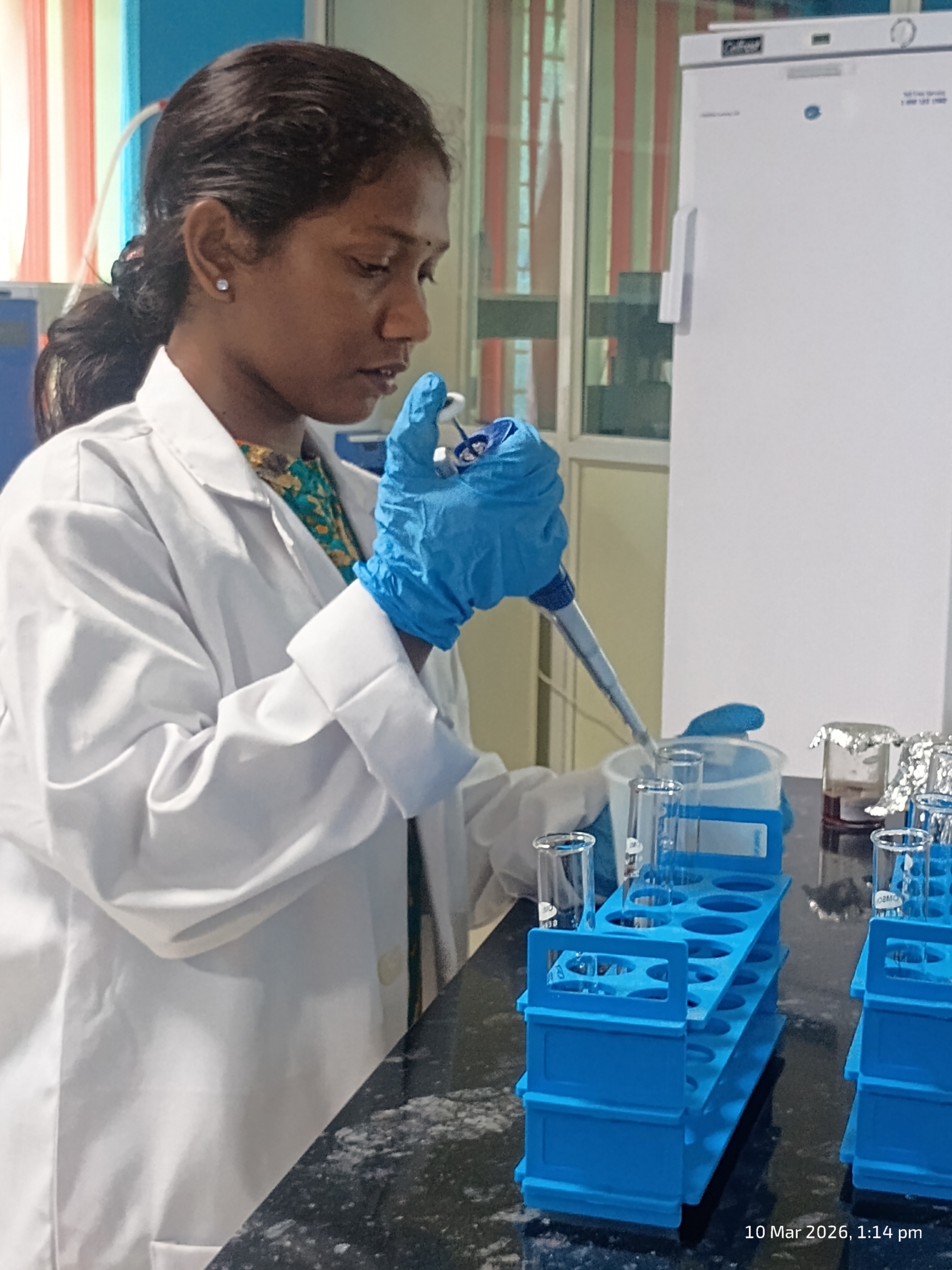
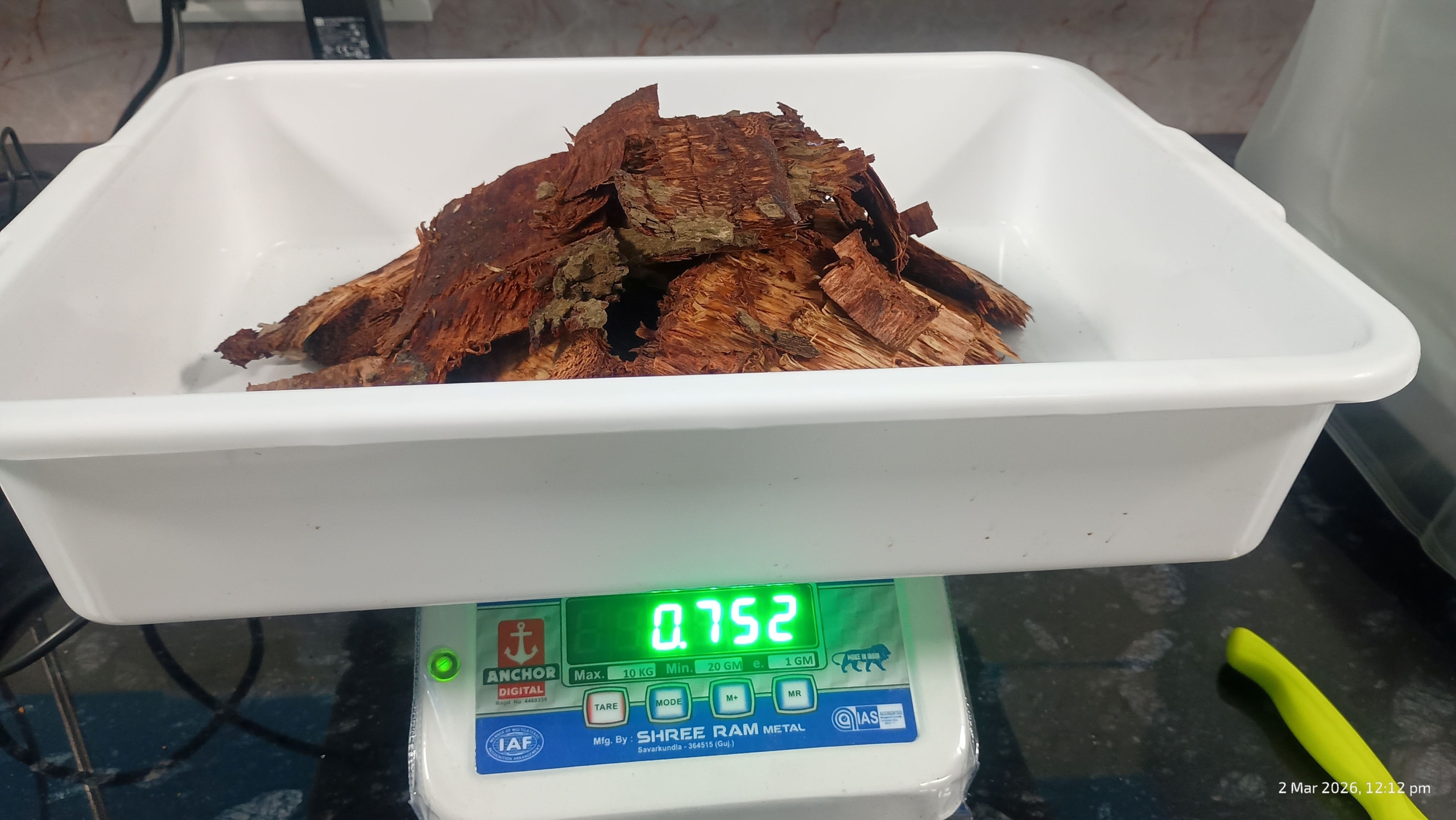
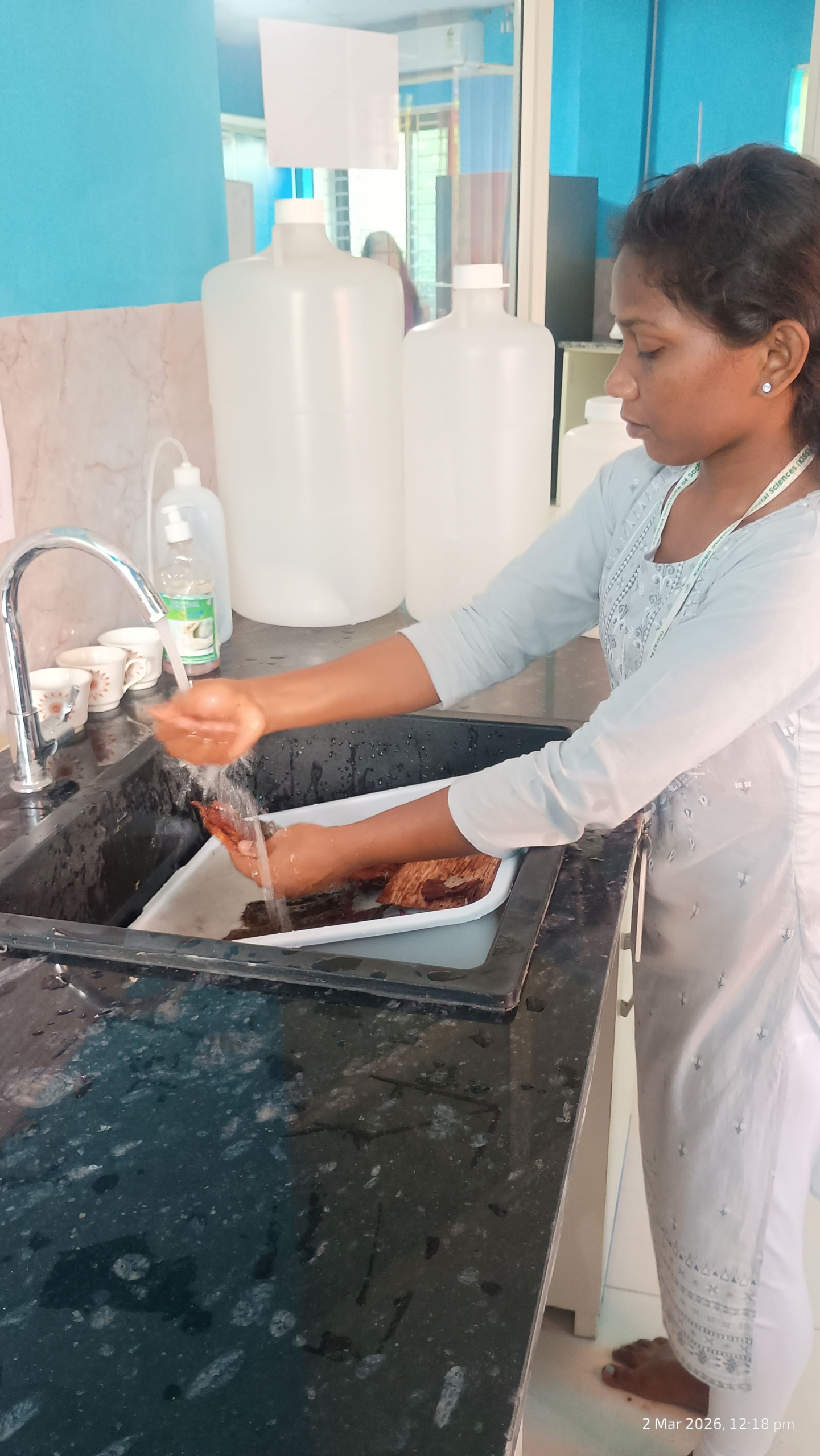
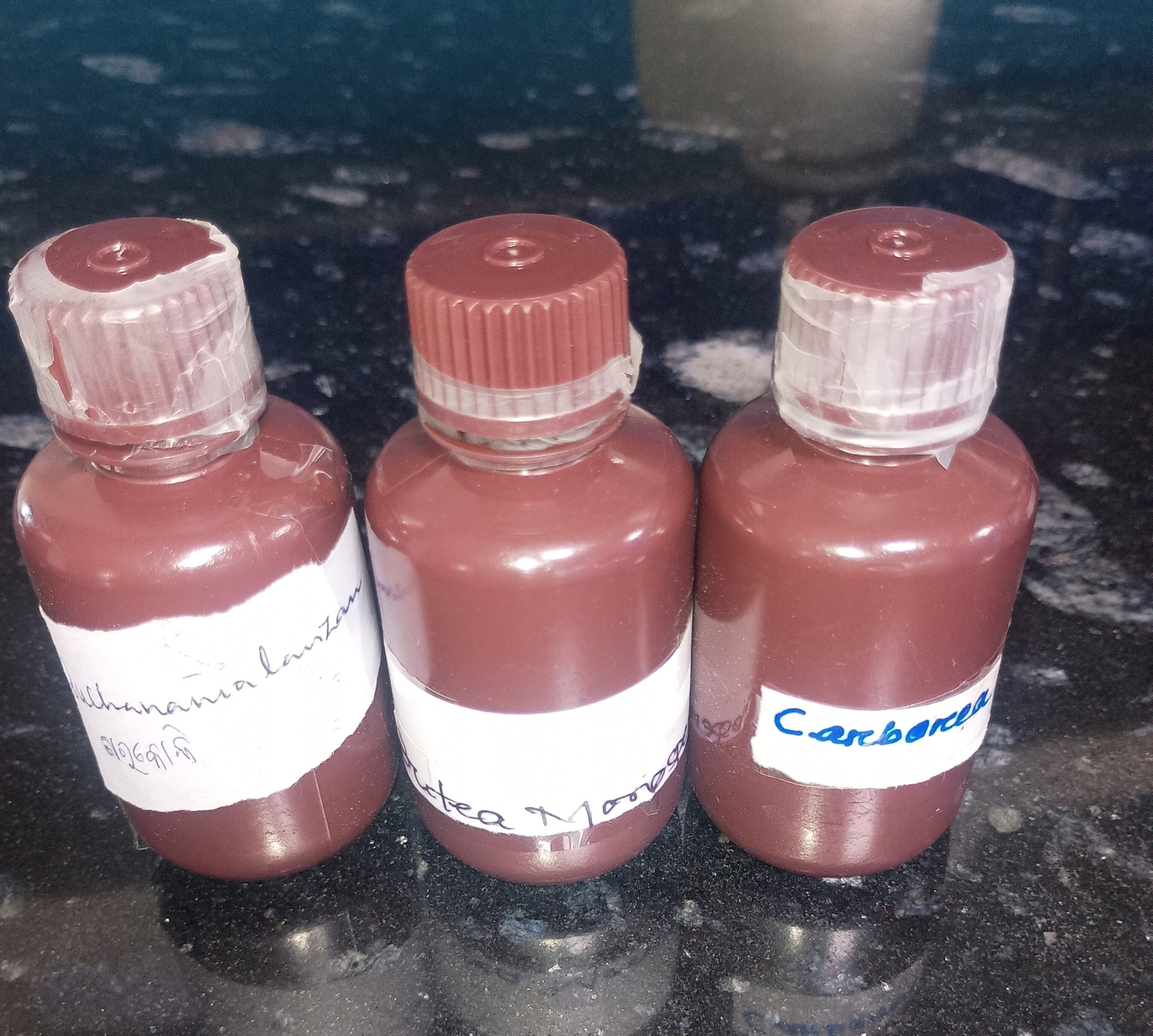
Bark samples were standardized, shade-dried, and processed through hydro-extraction using a rotary evaporator to isolate crude extracts for laboratory testing.
Preliminary Phytochemical Findings
Initial screening of Butea monosperma, Buchanania lanzan, and Careya arborea has successfully confirmed the presence of major secondary metabolites that support their traditional anti-inflammatory claims.
| Phytoconstituent | Butea monosperma | Buchanania lanzan | Careya arborea |
|---|---|---|---|
| Saponins | +++ | +++ | +++ |
| Phenols | – | +++ | + |
| Flavonoids | – | – | ++ |
| Glycosides | ++ | ++ | – |
| Terpenoids / Steroids | +++ | +++ | ++ |
| Alkaloids | + | ++ | ++ |
Note: (+++) High abundance, (++) Moderate presence, (+) Presence, (–) Absence.
Pharmacological Significance
- Anti-Inflammatory Action: Saponins are highly abundant across all evaluated species, providing a scientific basis for their immunomodulatory properties.
- Pain & Edema Relief: Terpenoids and steroids are highly