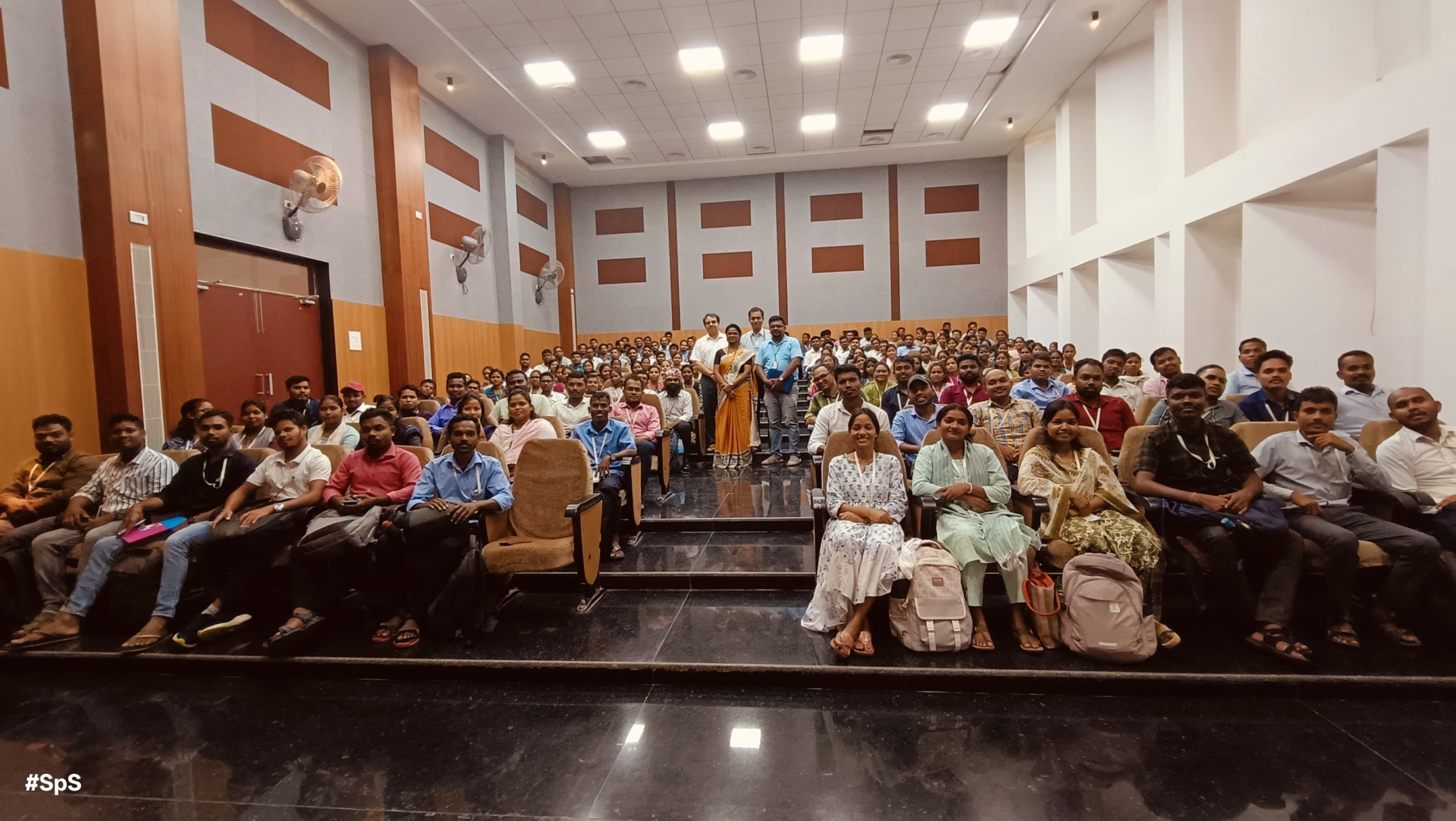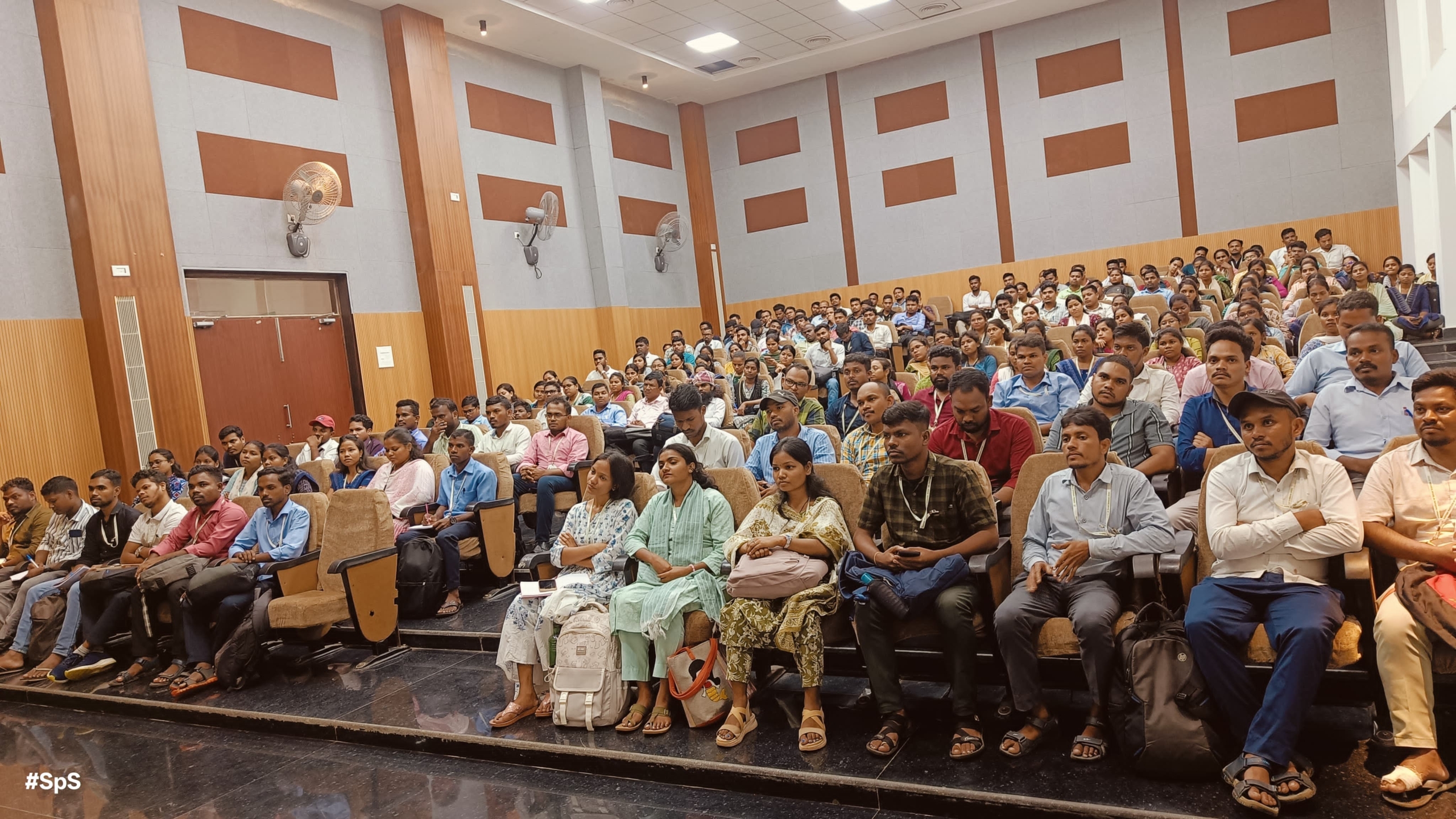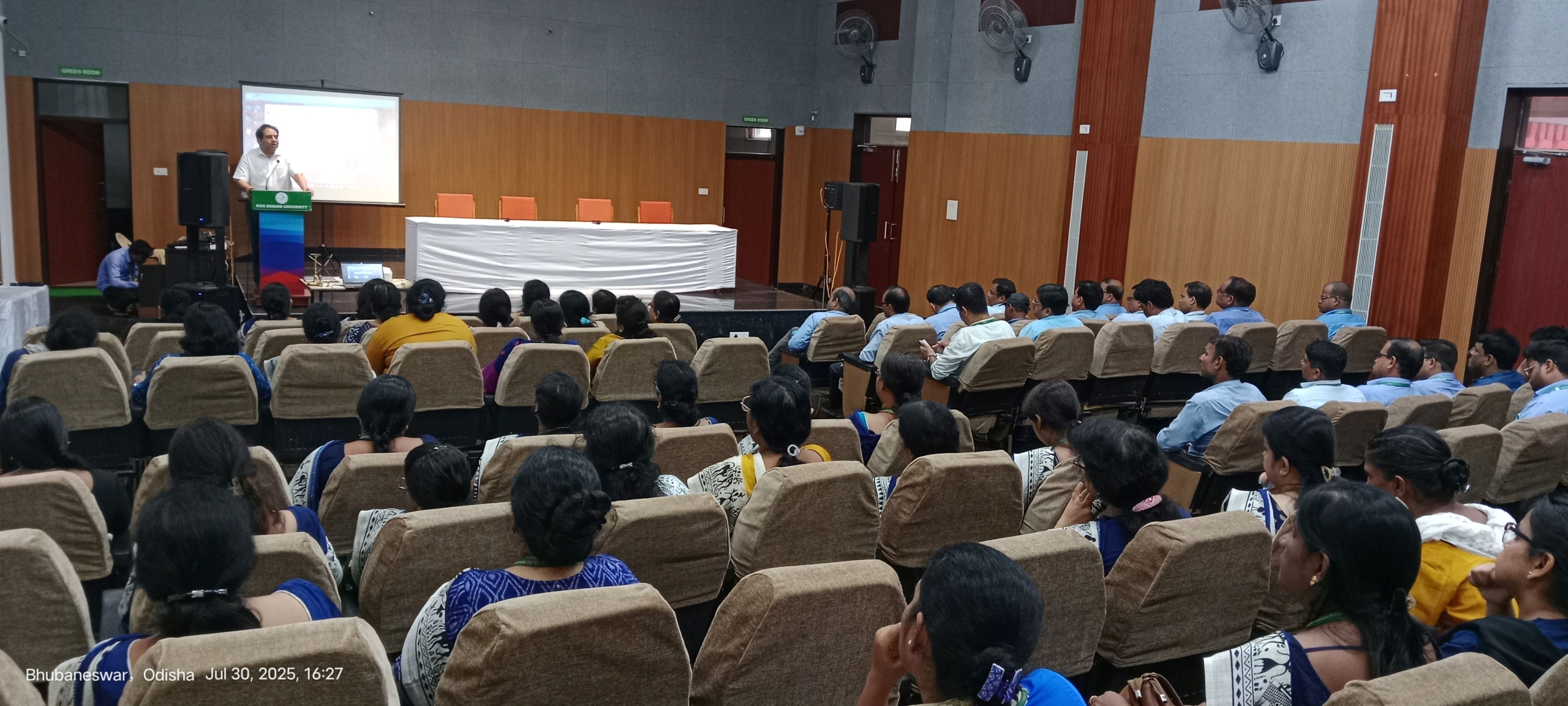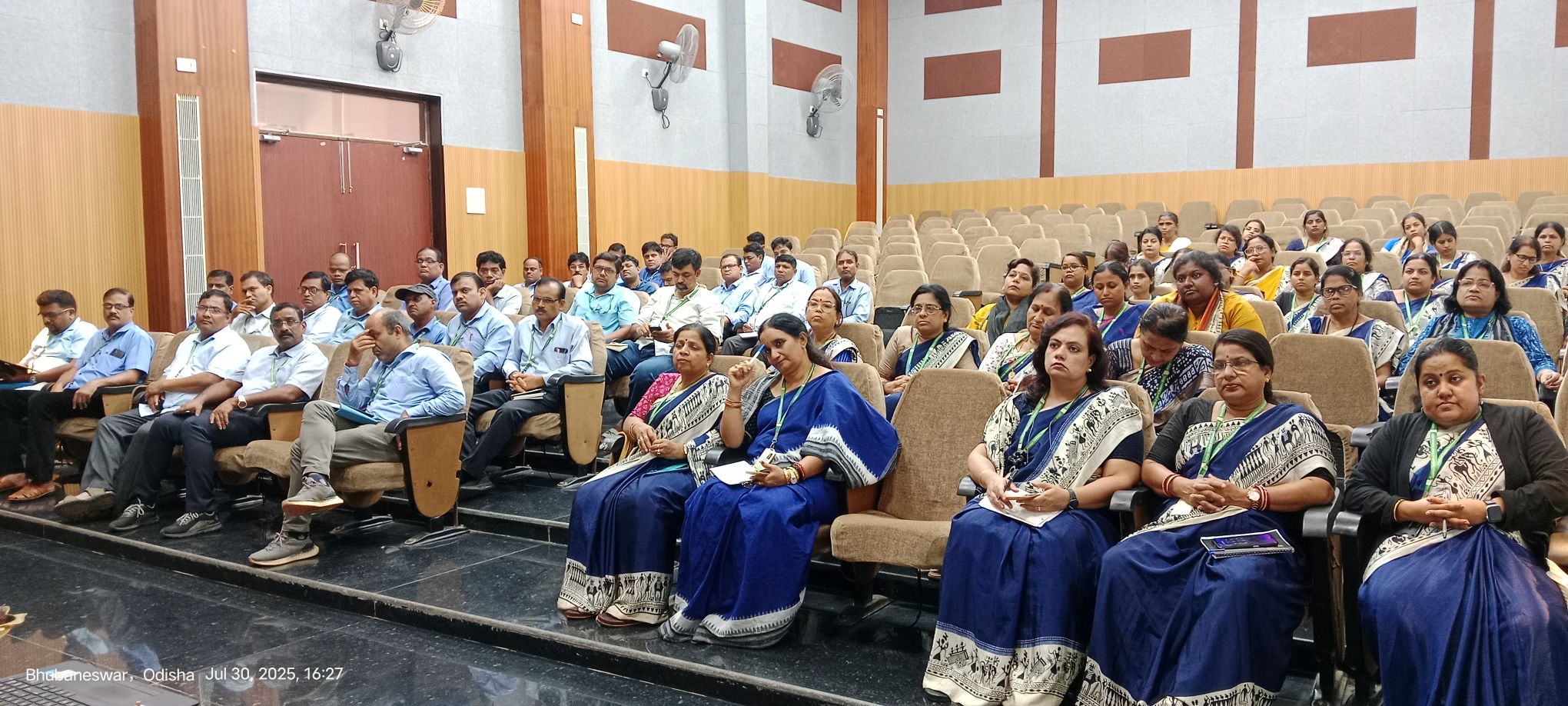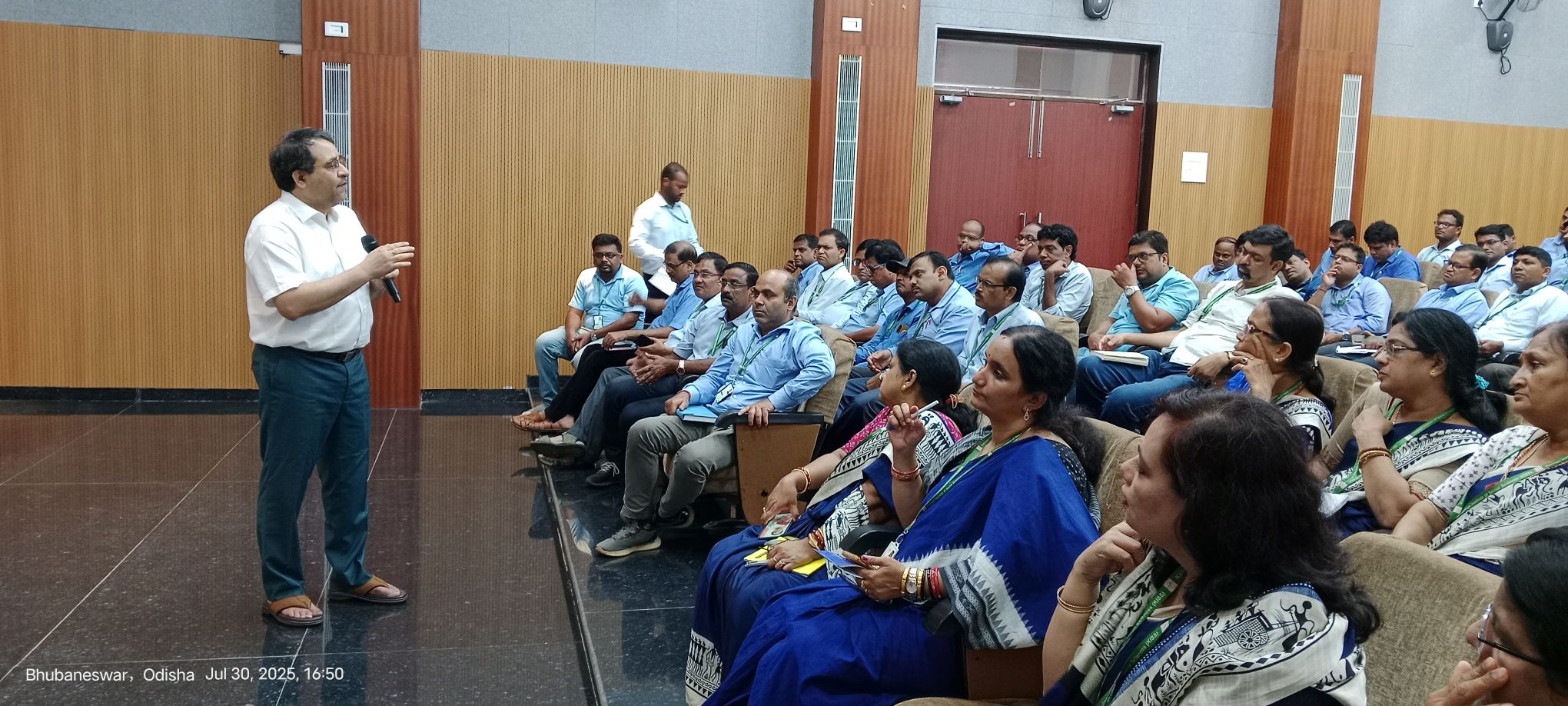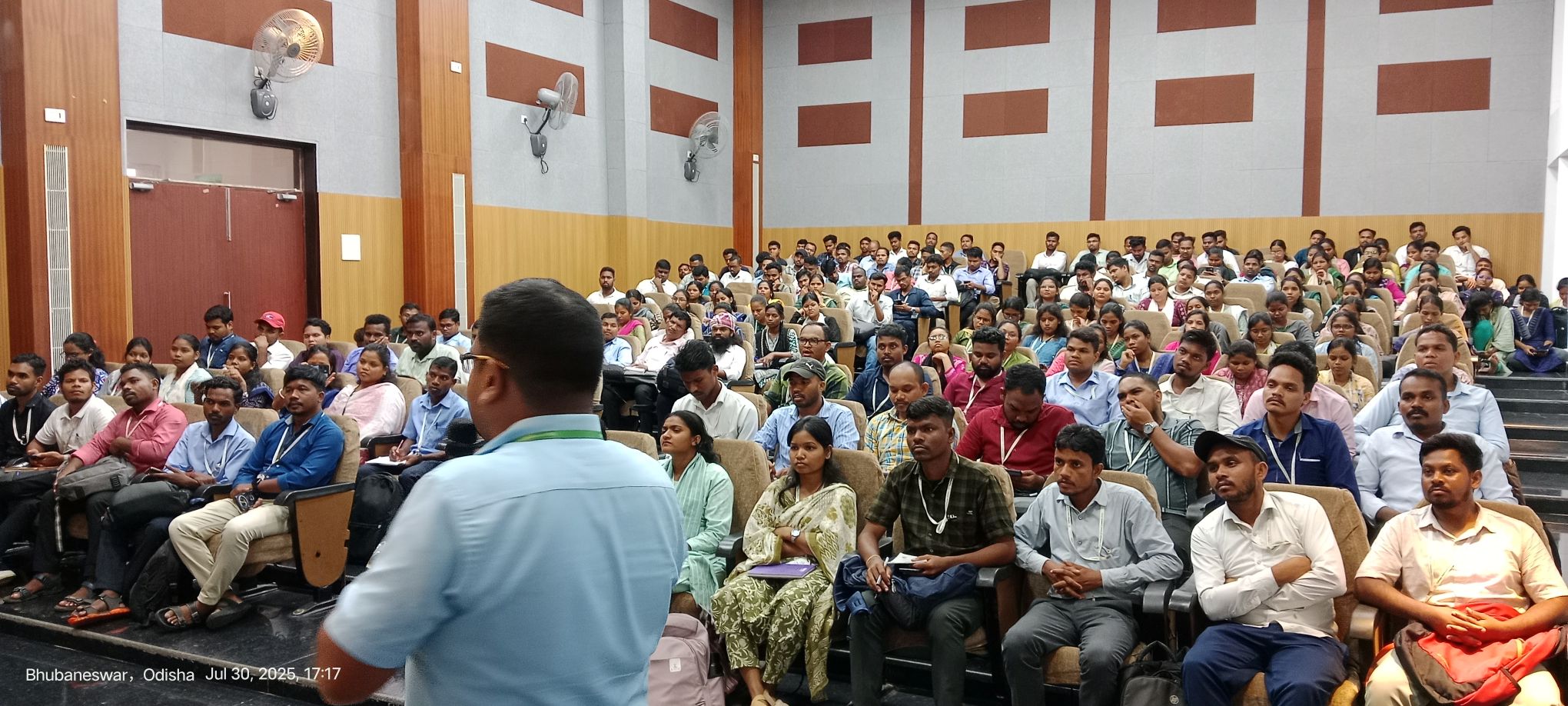
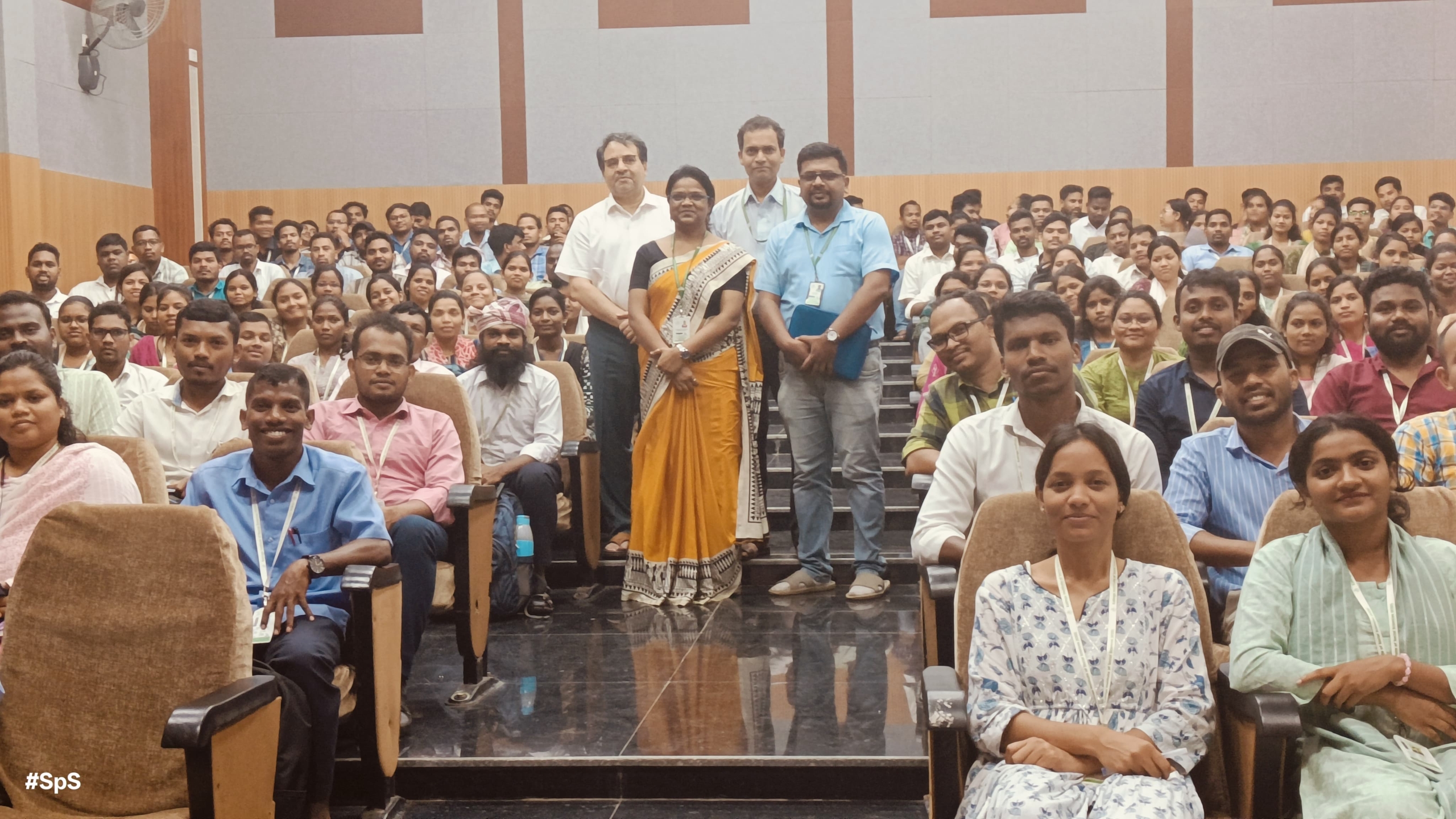
An Orientation Program on ShodhChakra, a UGC-mandated academic initiative aimed at strengthening research quality and scholarly engagement, was successfully conducted on 30th July 2025 (Wednesday) at the Auditorium, Campus–4, Kalinga Institute of Social Sciences. The programme was organized by the Research and Development Cell (R&DC), KISS-DU, to sensitize Ph.D. supervisors and research scholars about the objectives, structure, and effective implementation of the ShodhChakra framework within the university.
The sessions were conducted by Hon’ble Vice Chancellor, Professor Debasish Bandyopadhyay, along with Dr. Arpana Premi Lina Oraon, Director, R&DC, Mr. Atul Nag, and Mr. Rabin Khandayatray.
The orientation was structured into two dedicated sessions to ensure focused engagement with each group. The first session, held from 4:00 PM to 4:30 PM, was designed for Ph.D. supervisors. This session emphasized the pivotal role of supervisors in mentoring scholars, maintaining research quality, and ensuring adherence to academic standards. Supervisors were briefed on their responsibilities under the ShodhChakra initiative, including regular monitoring of research progress, fostering ethical research practices, and guiding scholars toward publication in reputed journals. The importance of structured research planning, timely reviews, and constructive feedback mechanisms was highlighted to strengthen the overall research ecosystem.
The second session, conducted from 4:30 PM to 5:00 PM, was dedicated to research scholars. During this session, scholars were oriented on the objectives and expectations of ShodhChakra, with a focus on improving research output, developing critical thinking, and promoting interdisciplinary approaches. Scholars were encouraged to actively participate in academic discussions, maintain consistency in their research work, and uphold academic integrity. The session also emphasized the importance of regular interaction with supervisors, timely submission of progress reports, and active engagement in scholarly writing and publication.
The orientation programme underscored the mandatory nature of participation for both supervisors and scholars, reflecting the institution’s commitment to strengthening research governance and academic accountability. Clear instructions were communicated regarding attendance, participation, and compliance with the guidelines of the ShodhChakra initiative.
The programme served as a crucial platform for aligning the academic community with the objectives of this University Grants Commission initiative. It reinforced the importance of collaborative efforts between supervisors and scholars in achieving excellence in research and contributing meaningfully to knowledge creation.
The event concluded on a note of collective responsibility and commitment, with participants expressing their willingness to actively engage in the successful implementation of ShodhChakra. The orientation programme proved instrumental in setting a clear direction for enhancing the quality, relevance, and impact of research activities within the university.