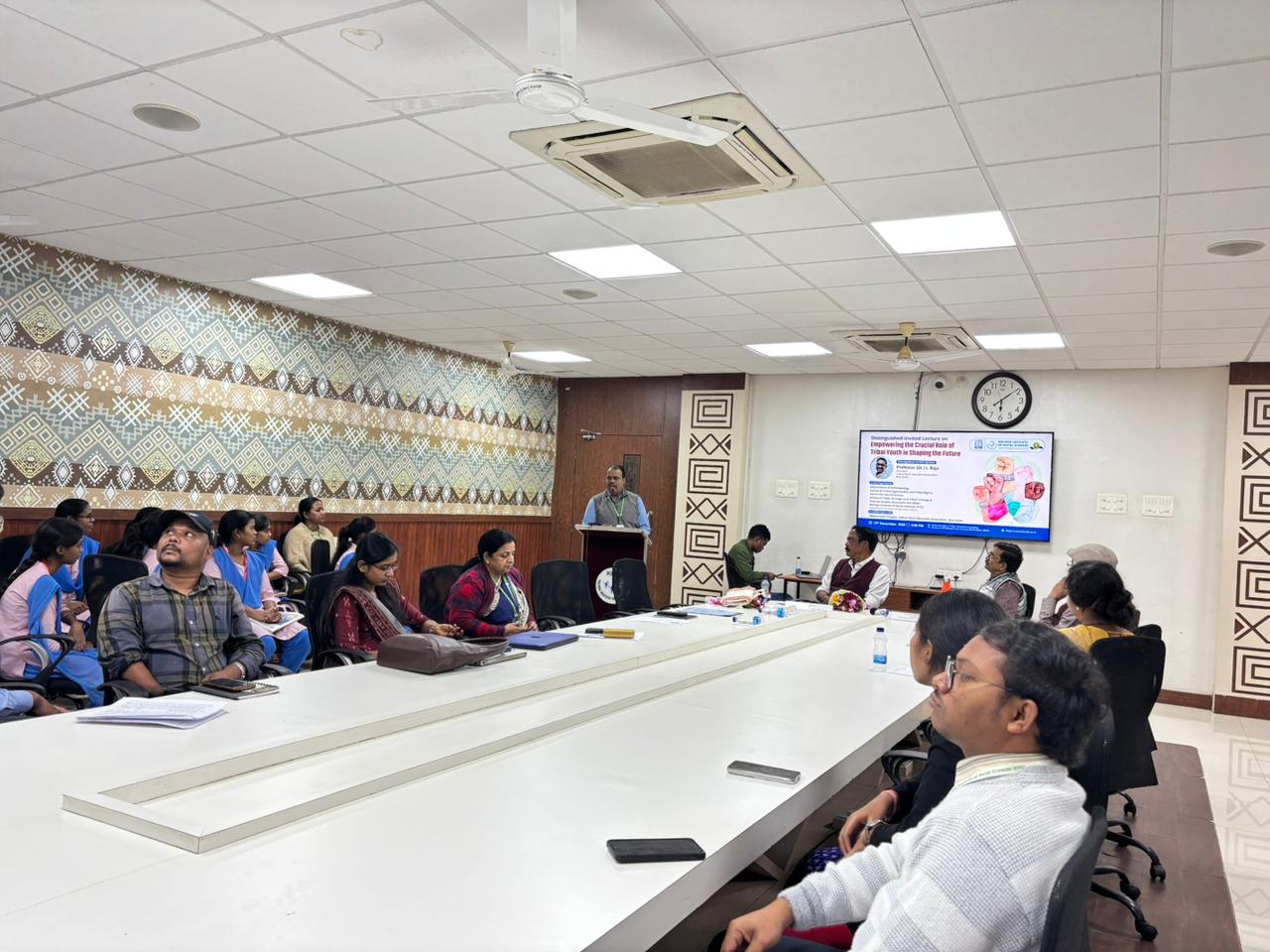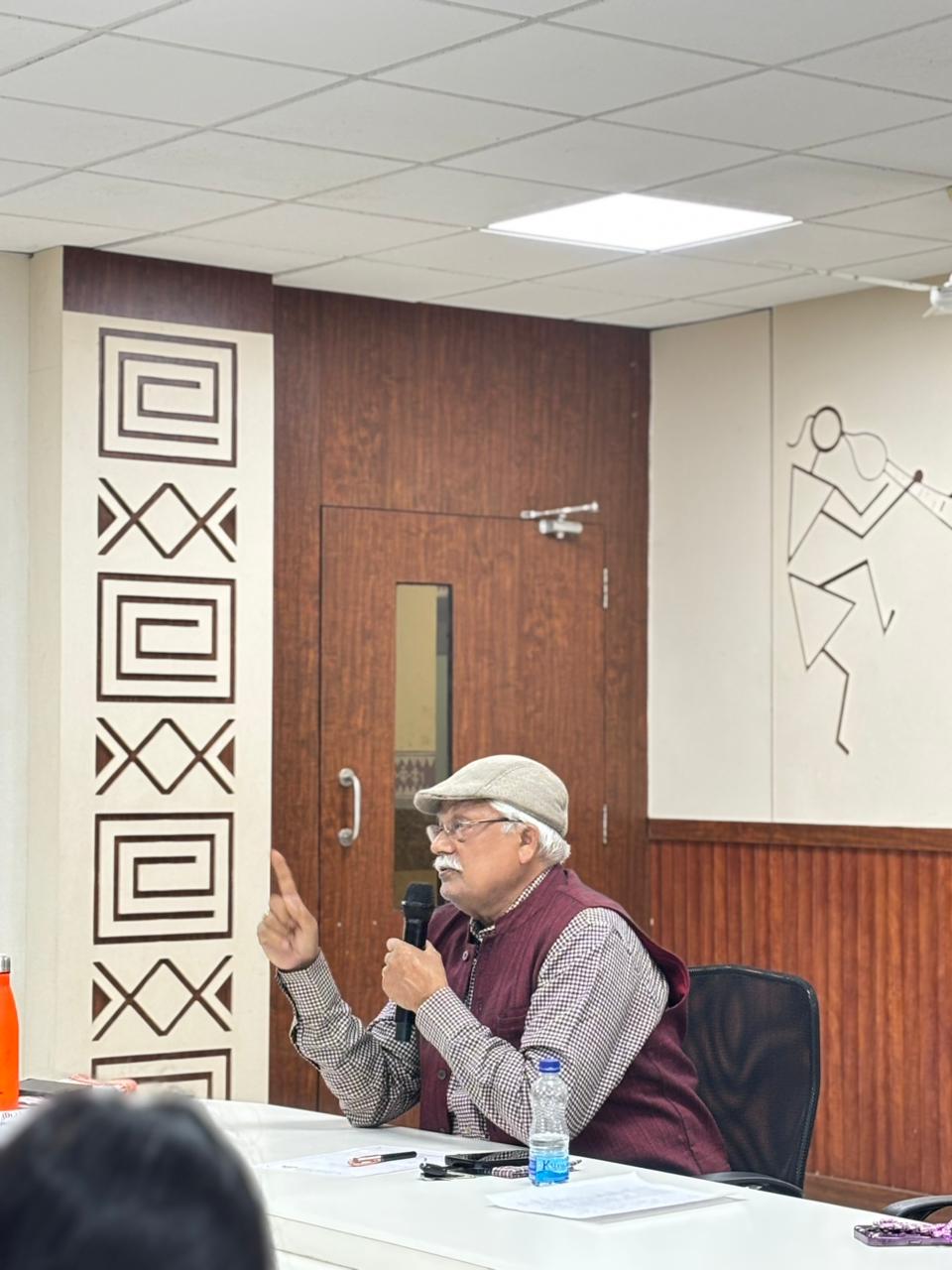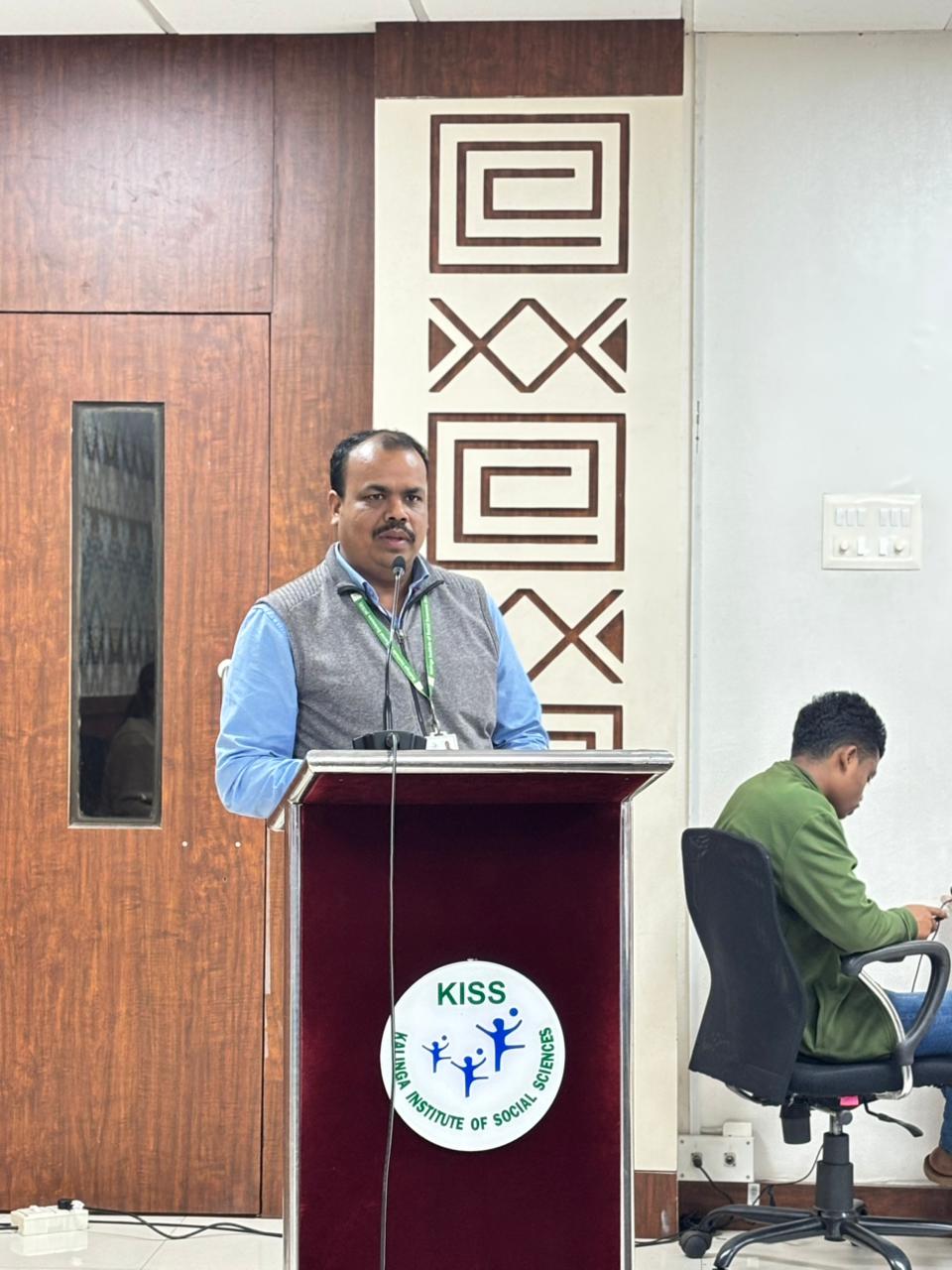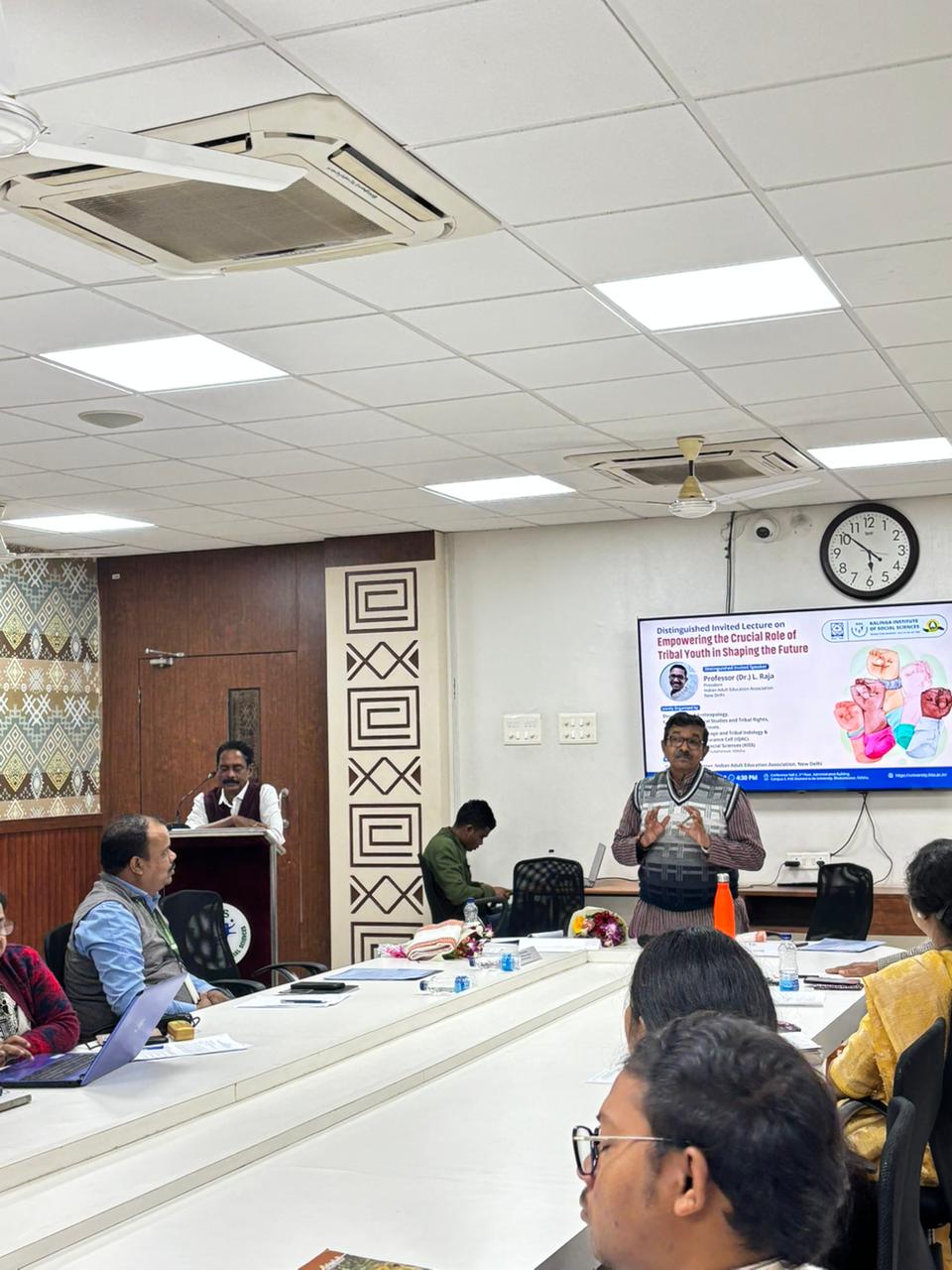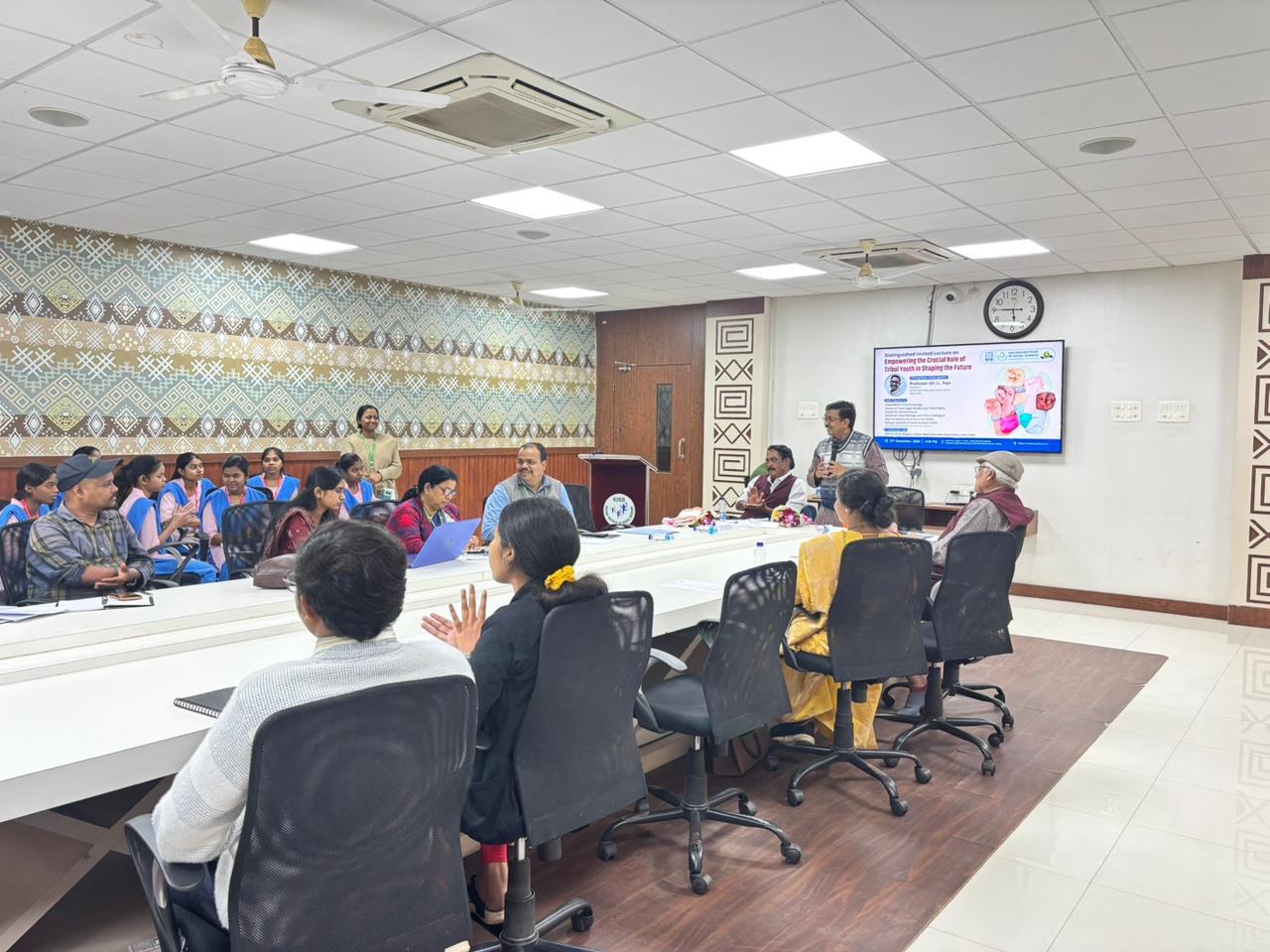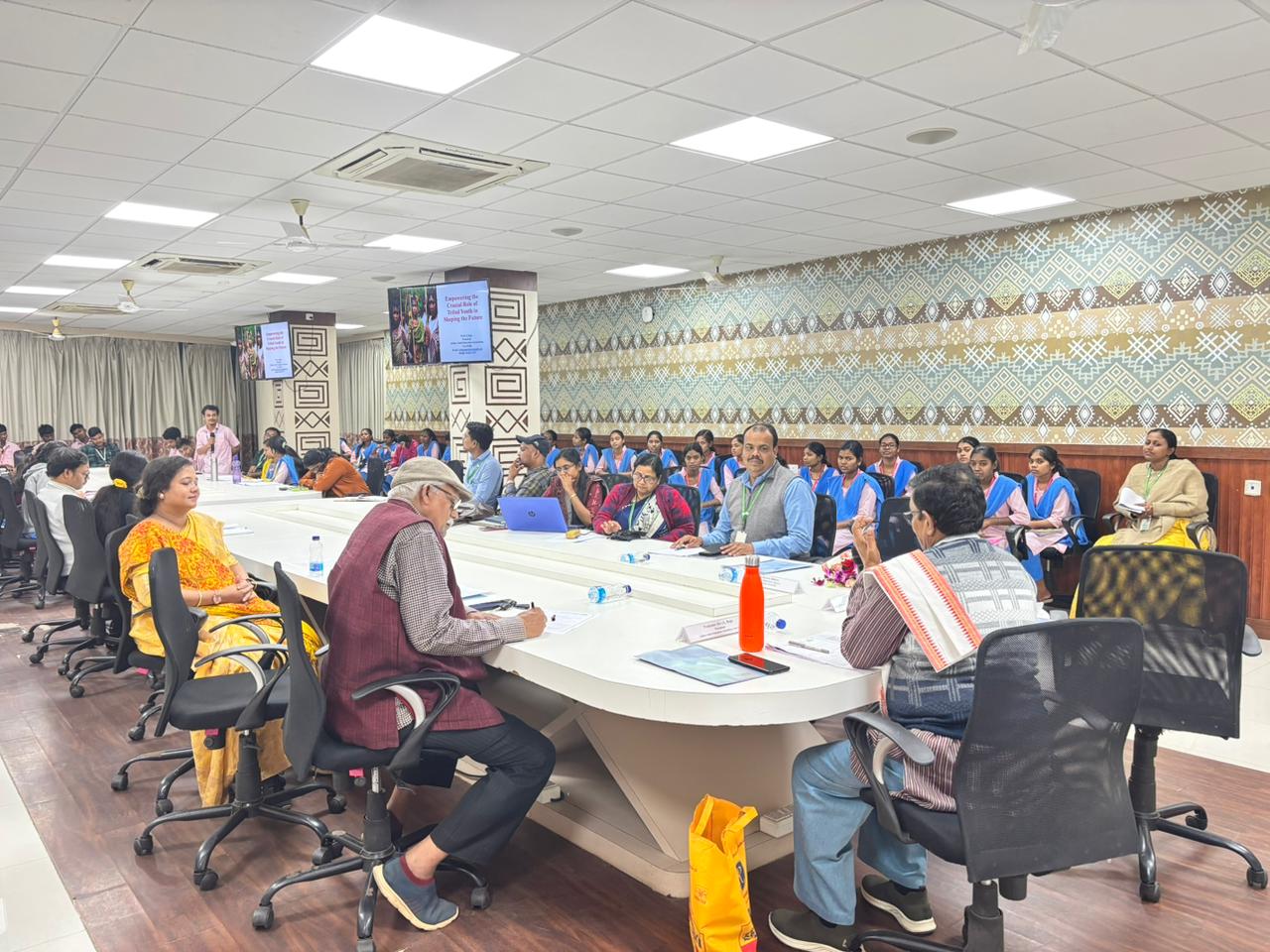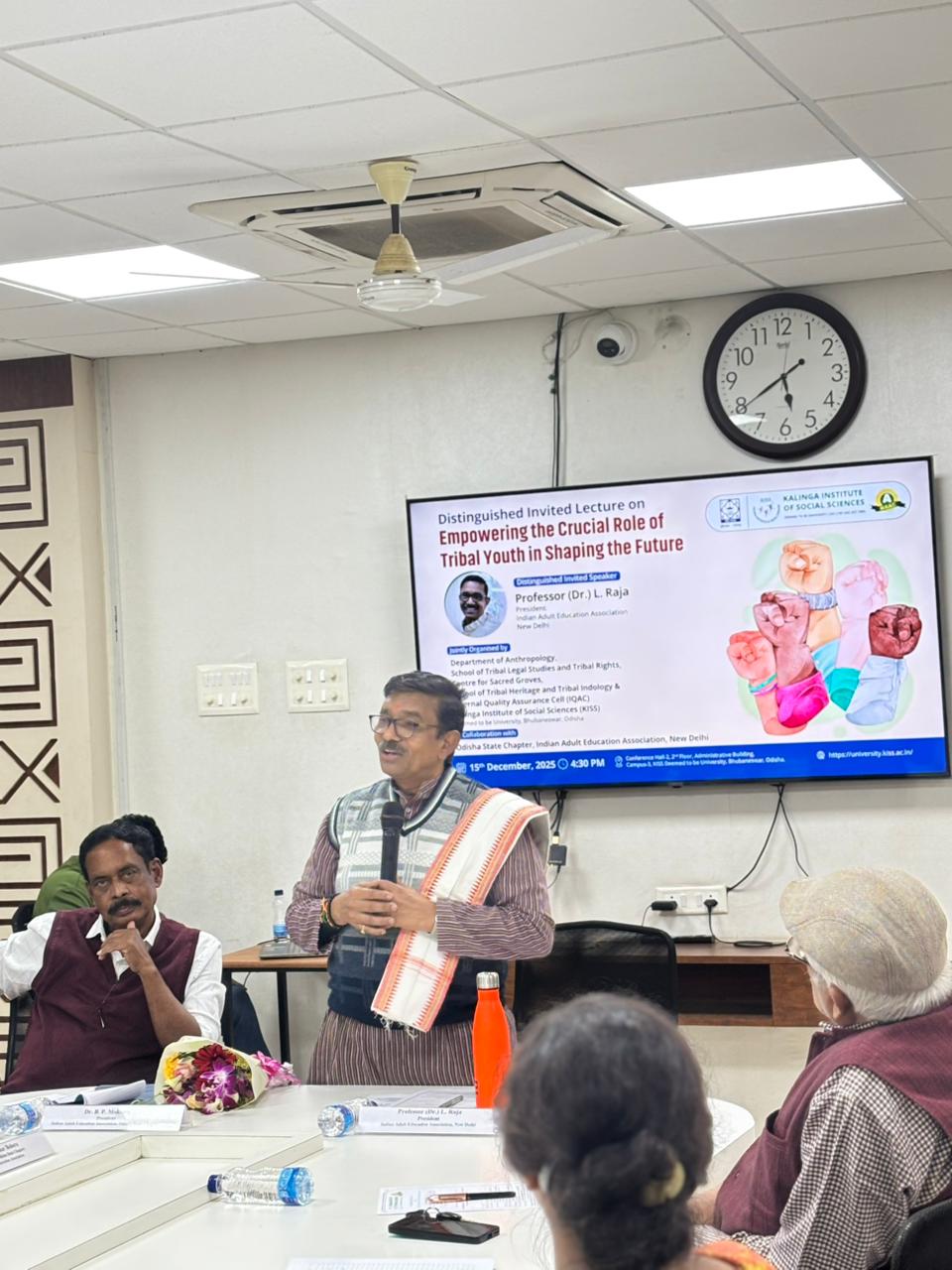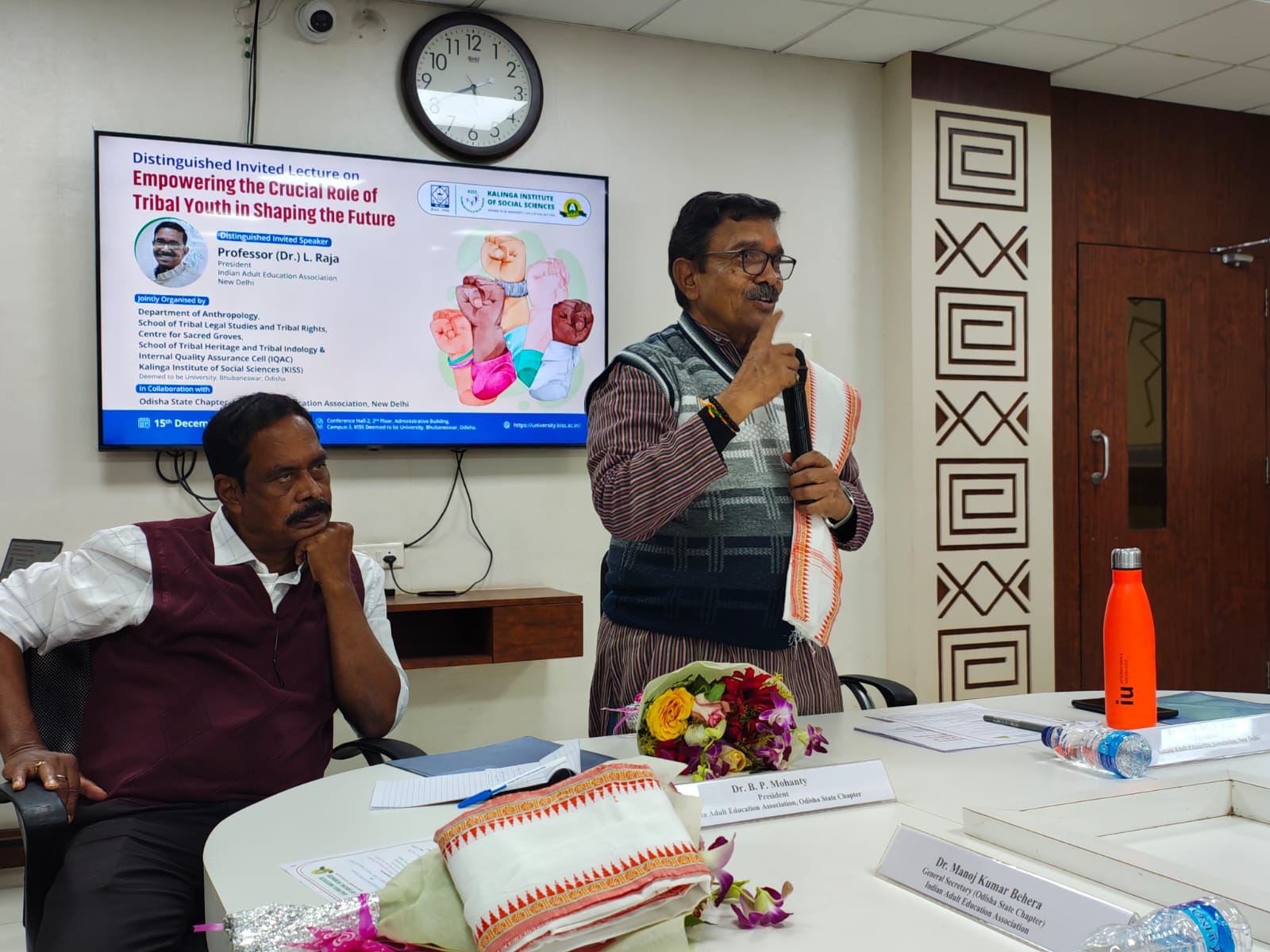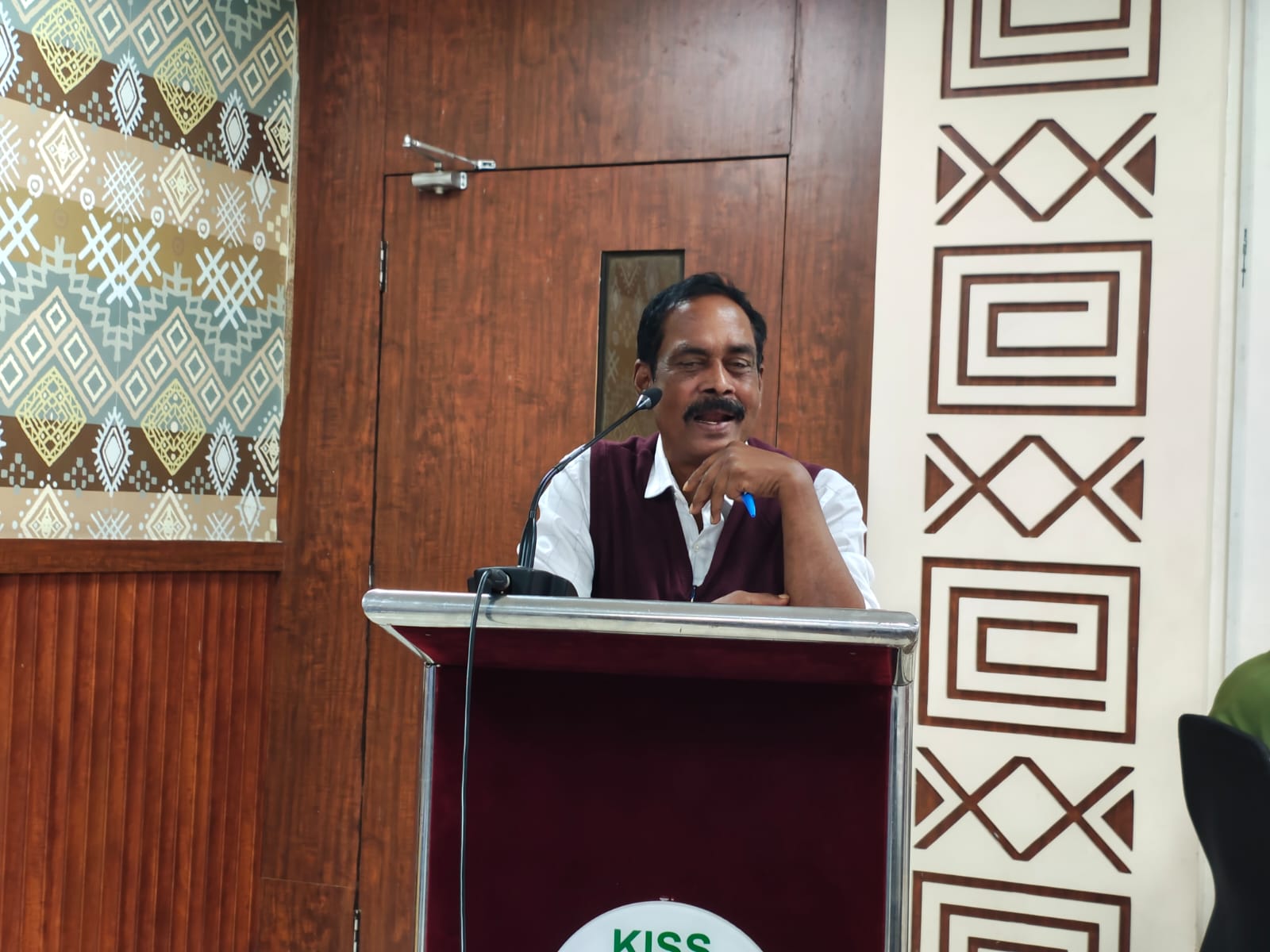
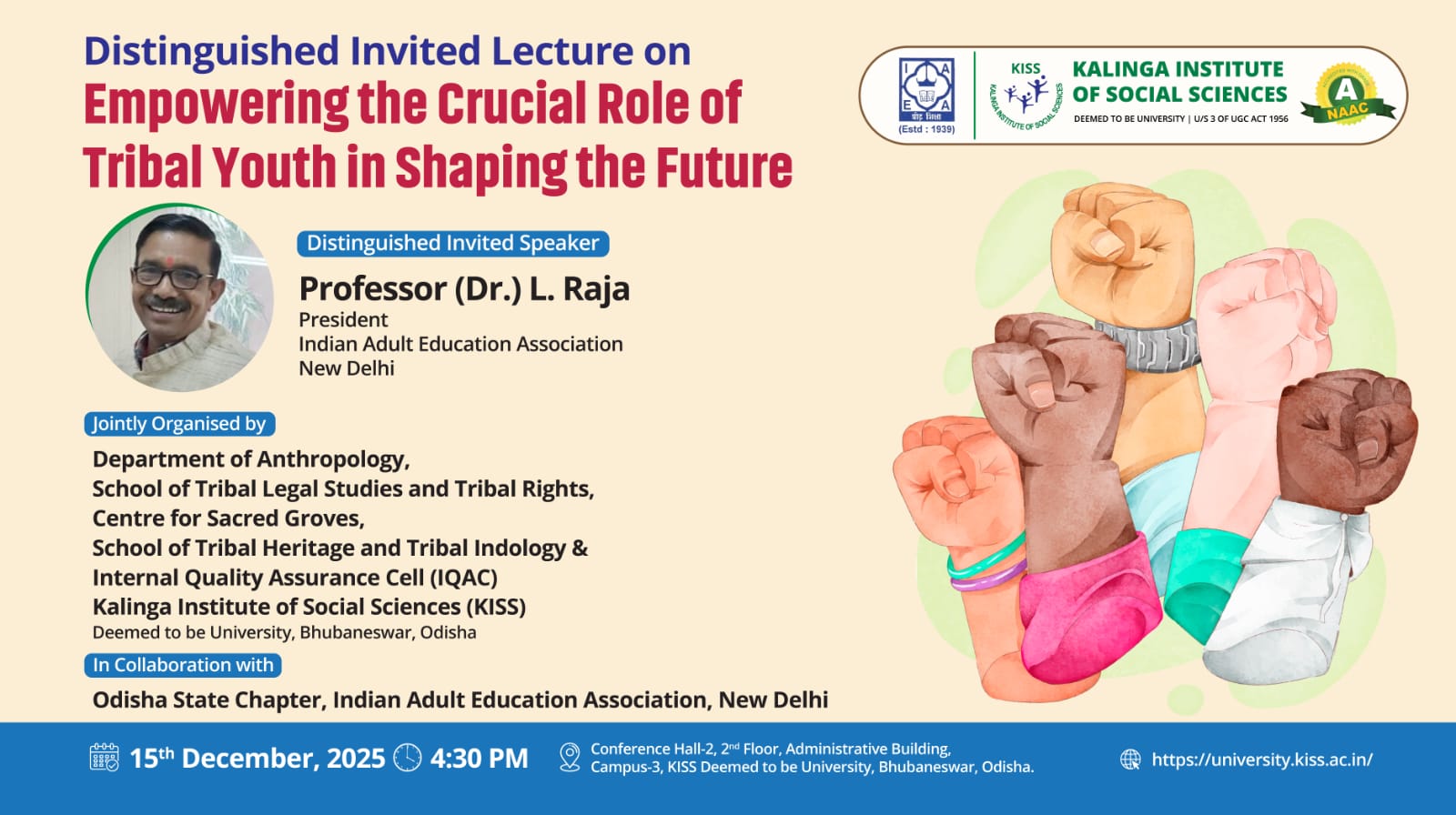
A Distinguished Invited Lecture on the theme “Empowering the Crucial Role of Tribal Youth in Shaping the Future” was successfully jointly organized by the Department of Anthropology, School of Tribal Legal Studies and Tribal Rights (STLS&TR) and the Internal Quality Assurance Cell (IQAC), Centre for Sacred Groves, Kalinga Institute of Social Sciences (KISS), Deemed to be University, in collaboration with the Indian Adult Education Association (IAEA), Odisha Chapter on 15th December 2025. The programme witnessed the active participation of faculty members, research scholars, and undergraduate and postgraduate students. The primary objective of the lecture was to highlight the pivotal role of tribal youth in nation-building, leadership development, and sustainable and inclusive growth.
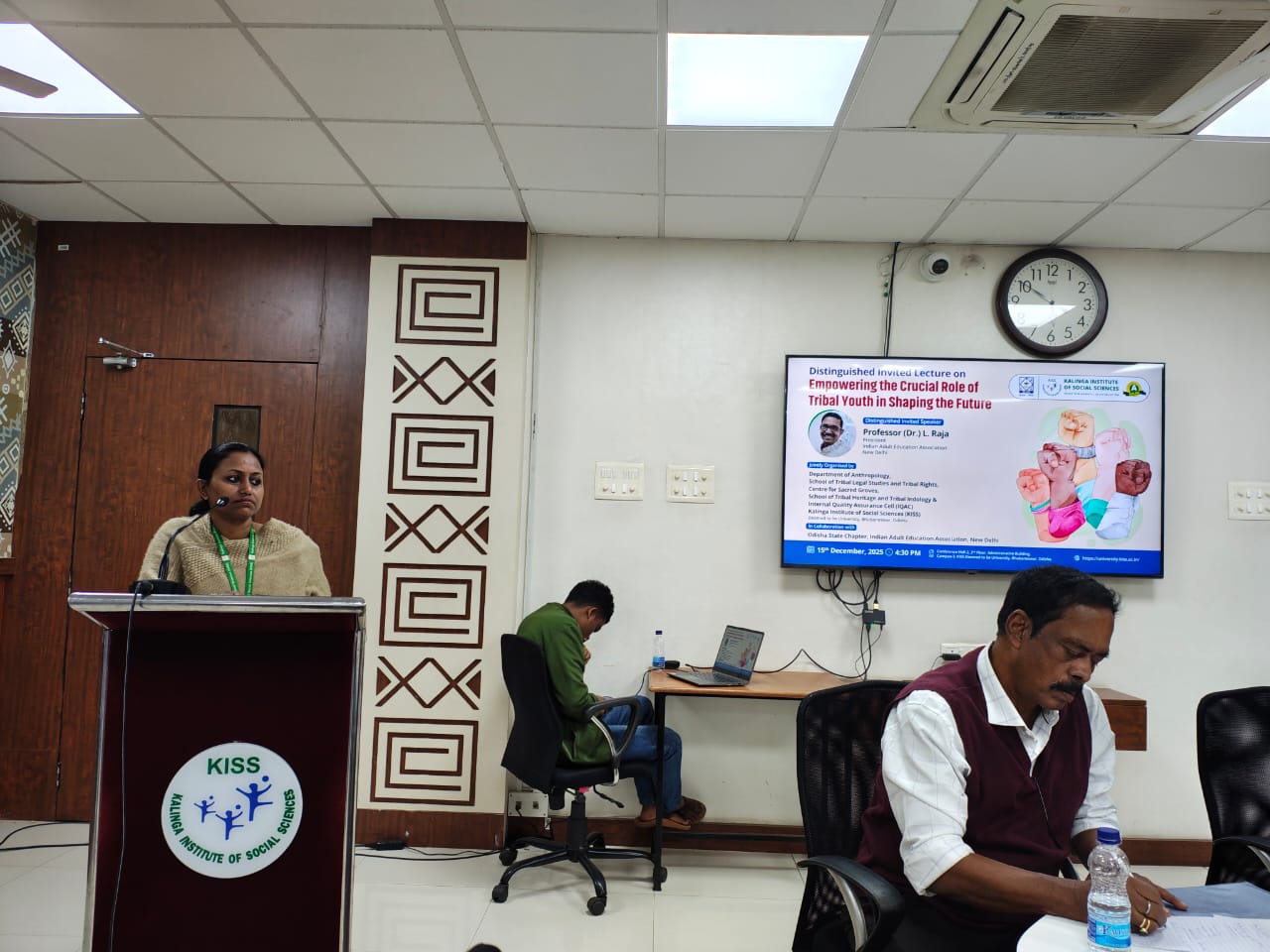
The programme commenced with a Welcome Address and Introductory Remarks by Dr. Anindita Nayak, Moderator of the session. The Distinguished Resource Person, Prof. (Dr.) L. Raja, President, Indian Adult Education Association (IAEA), New Delhi, was formally introduced by Dr. Manoj Kumar Behera, Associate Professor, KISS-DU and General Secretary, IAEA, Odisha State Chapter. The event was graced by the presence of Dr. B. P. Mohanty, President IAEA, Odisha Chapter, Prof. Nirmal Chandra Dash, Professor Emeritus, KISS-DU, Deans and faculty members of KISS-DU.
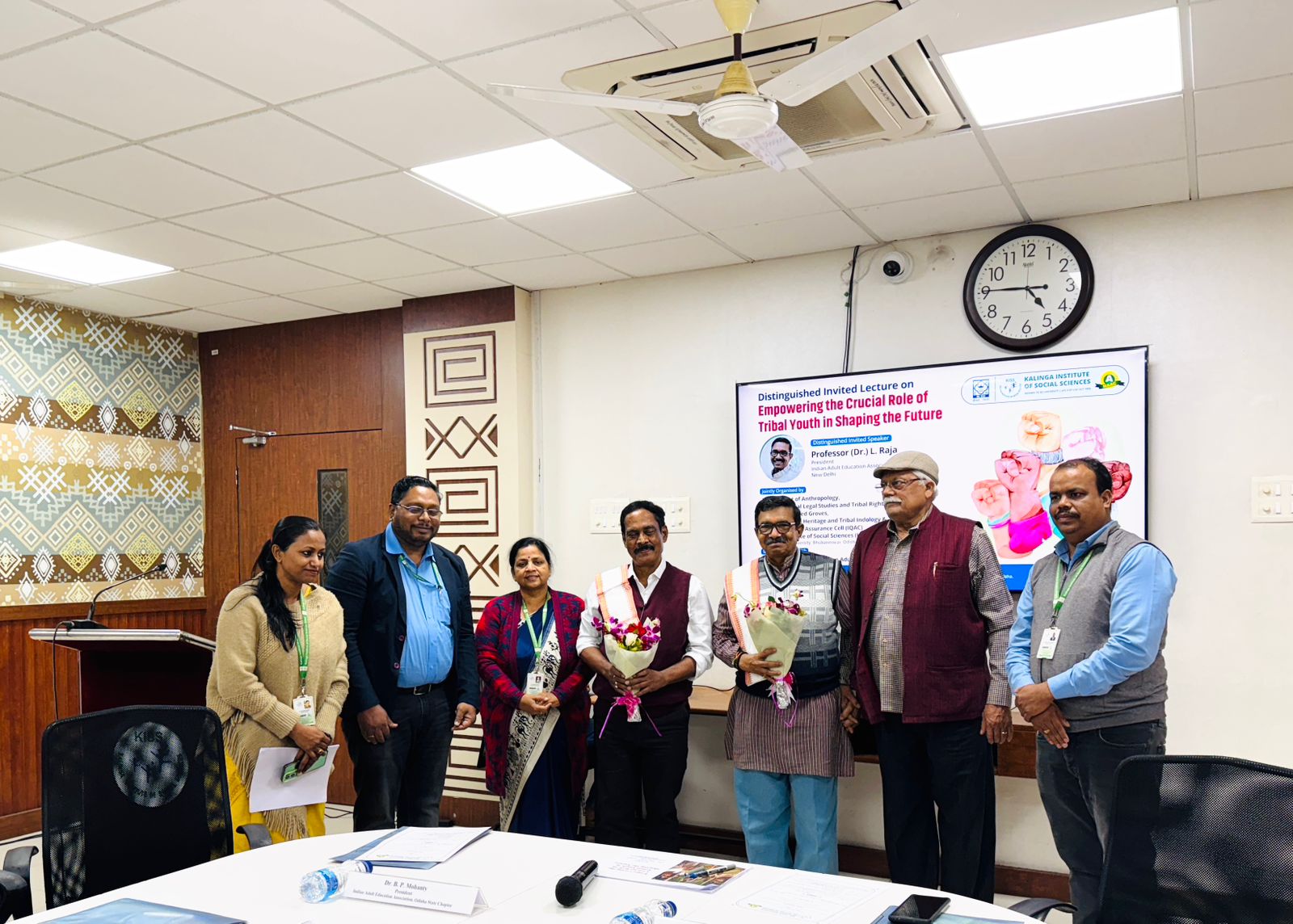
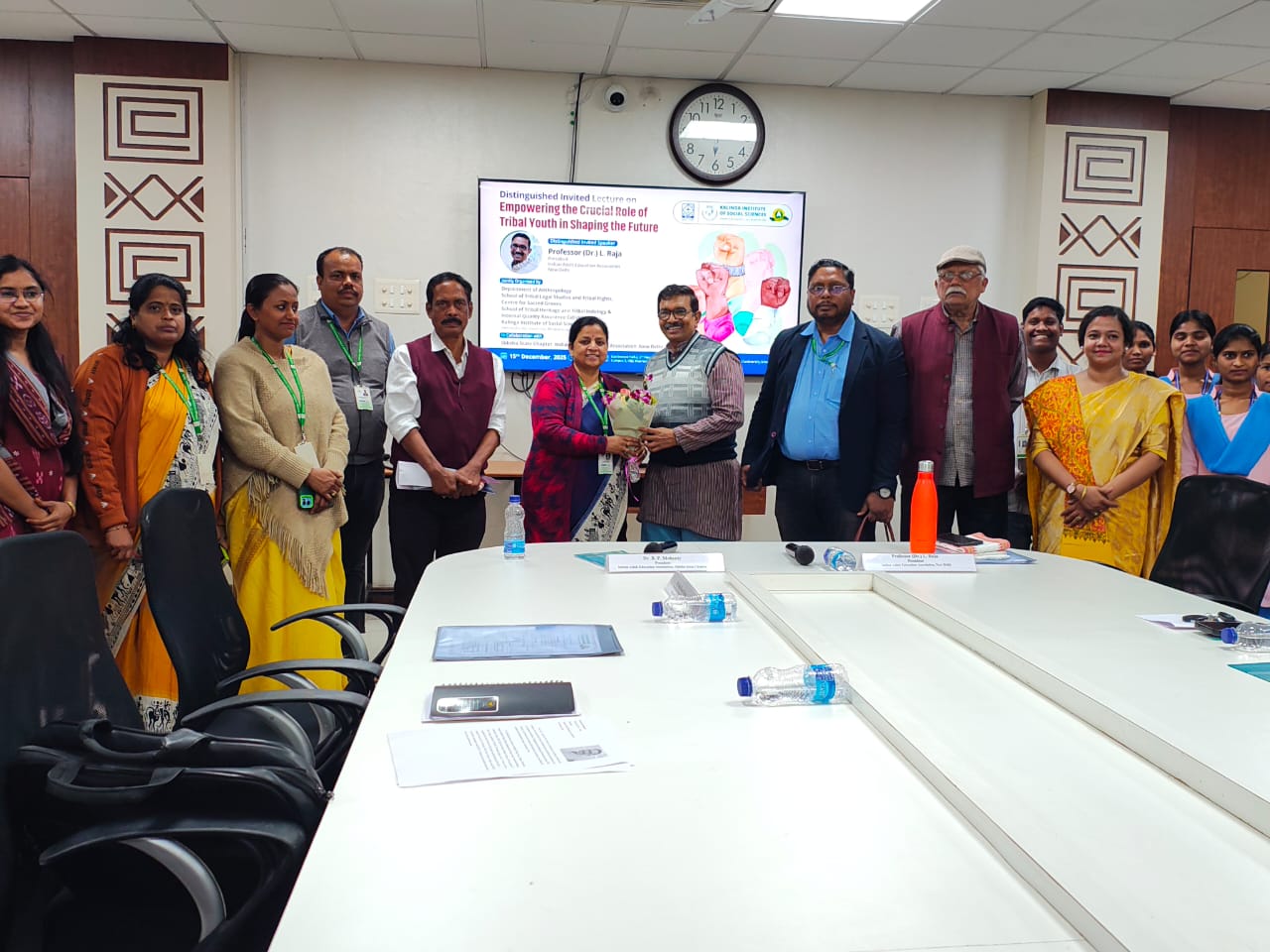
A brief video presentation highlighting the vision, mission, and achievements of KISS-DU was followed by the presentation of a concept note on the theme by Dr. Sujata Acharya, Dean, School of Tribal Heritage and Tribal Indology (STHTI) who contextualized the importance of tribal youth empowerment in the contemporary socio-economic landscape. Prior to the keynote address, the invited speaker was felicitated by senior faculty members as a mark of respect and appreciation.
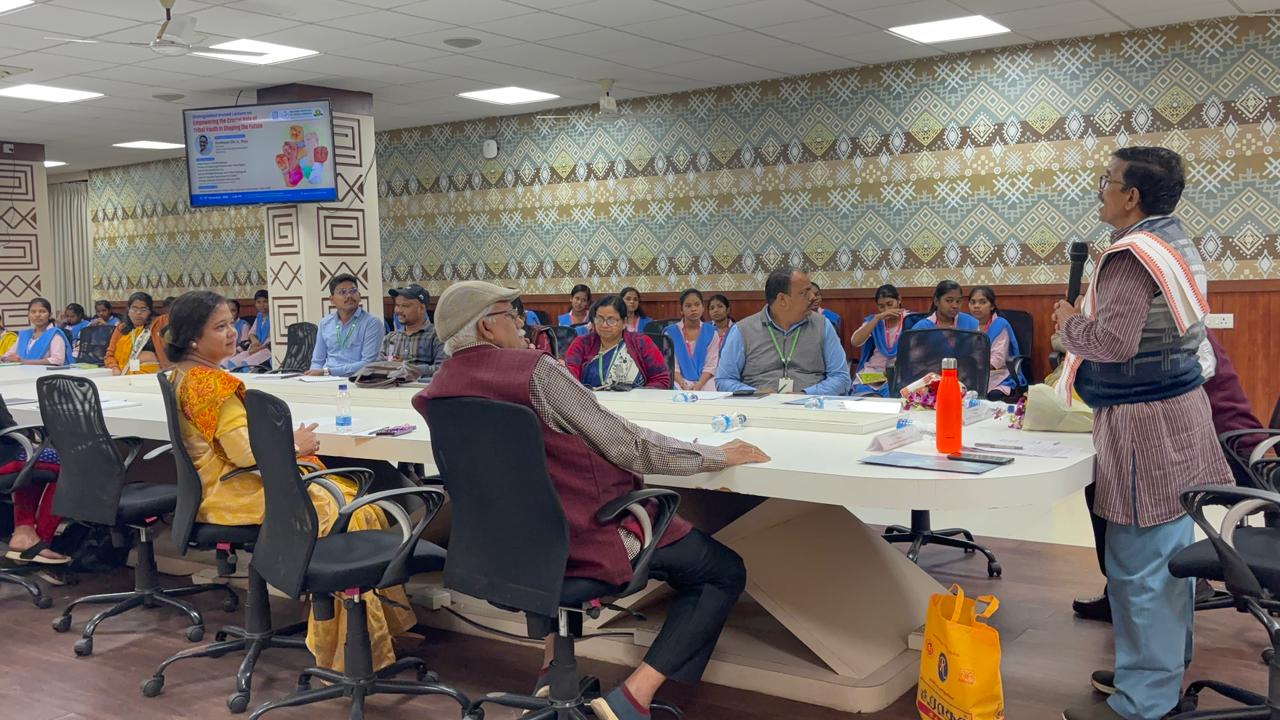
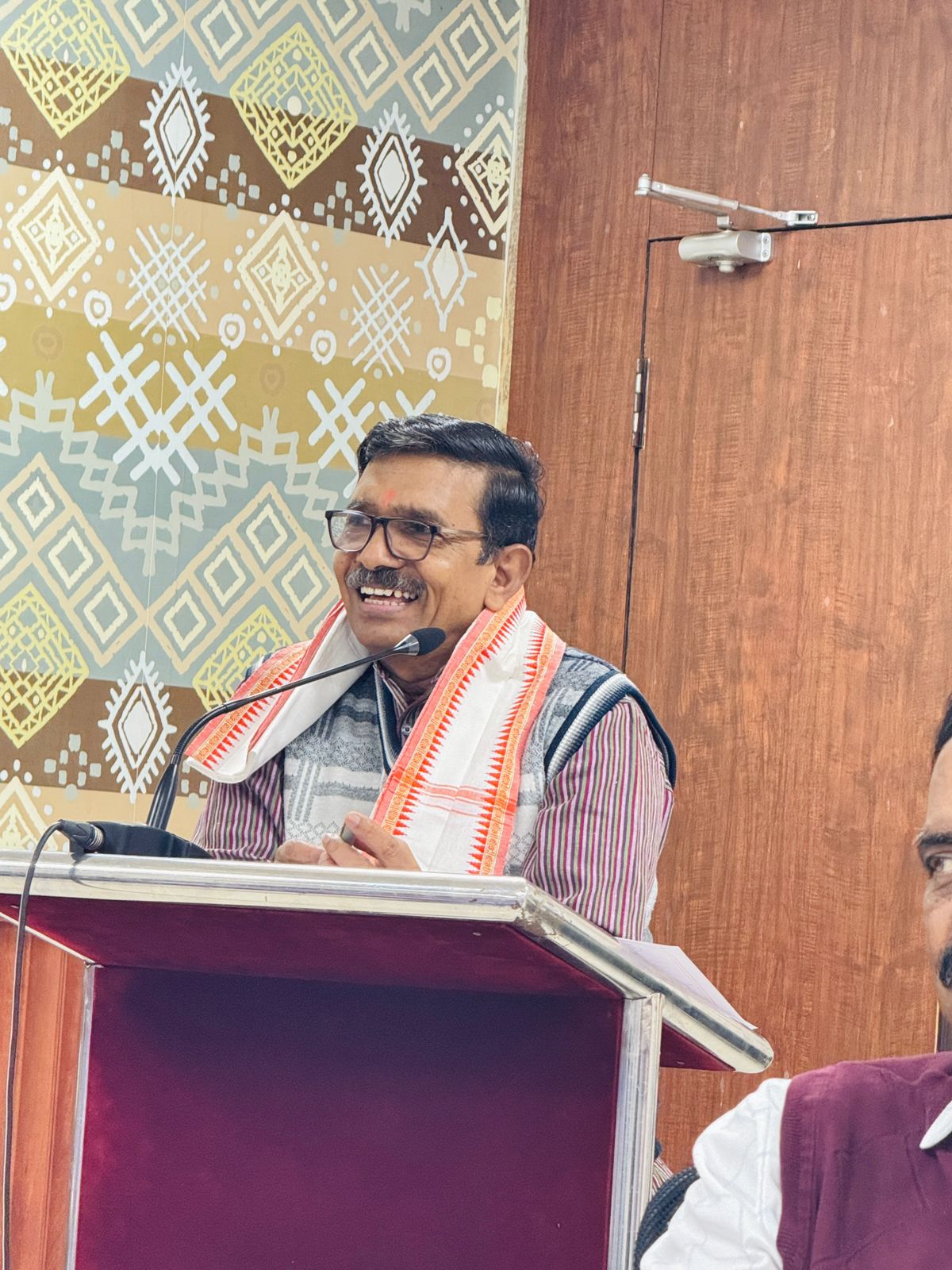
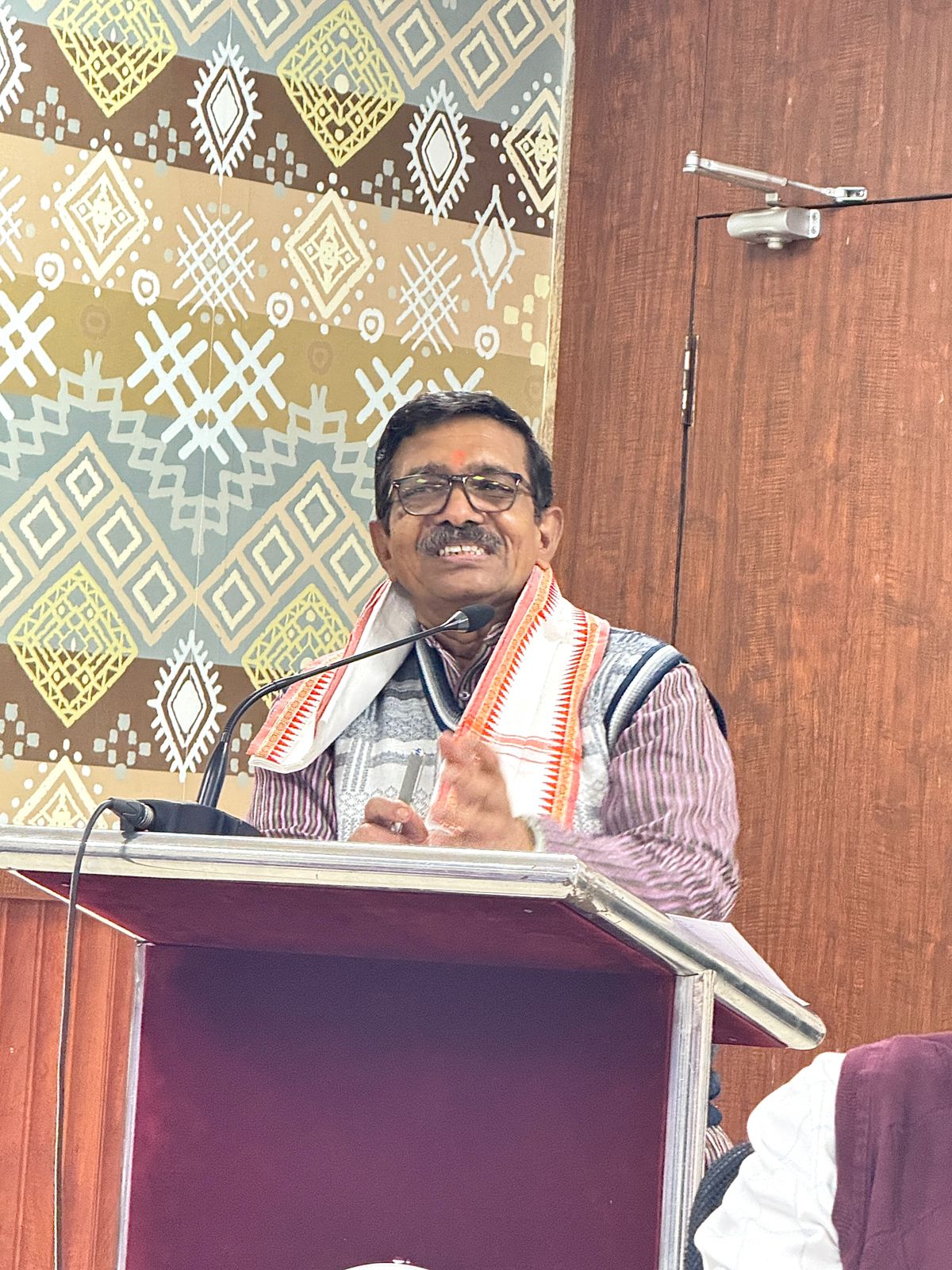
In his keynote lecture, Prof. (Dr.) L. Raja emphasized the role of youth as dynamic agents of social transformation, drawing inspiration from the philosophies of Swami Vivekananda and Mahatma Gandhi. He elaborated on the demographic significance of tribal youth in India and discussed critical challenges such as educational inequality, economic marginalization, socio-cultural constraints, and health and nutritional concerns. The lecture also highlighted inspiring success stories of tribal youth and emerging trends in entrepreneurship and self-reliance.
The speaker further elaborated on various empowerment strategies, including Skill India, PM VIKAS, Van Dhan Yojana, and promotion of digital literacy, culturally sensitive education, leadership development programmes, and other government initiatives aimed at youth development. He effectively linked tribal youth empowerment with national aspirations such as “Vikshit Bharat @2047”, underscoring the role of policy support and institutional frameworks in ensuring inclusive growth.
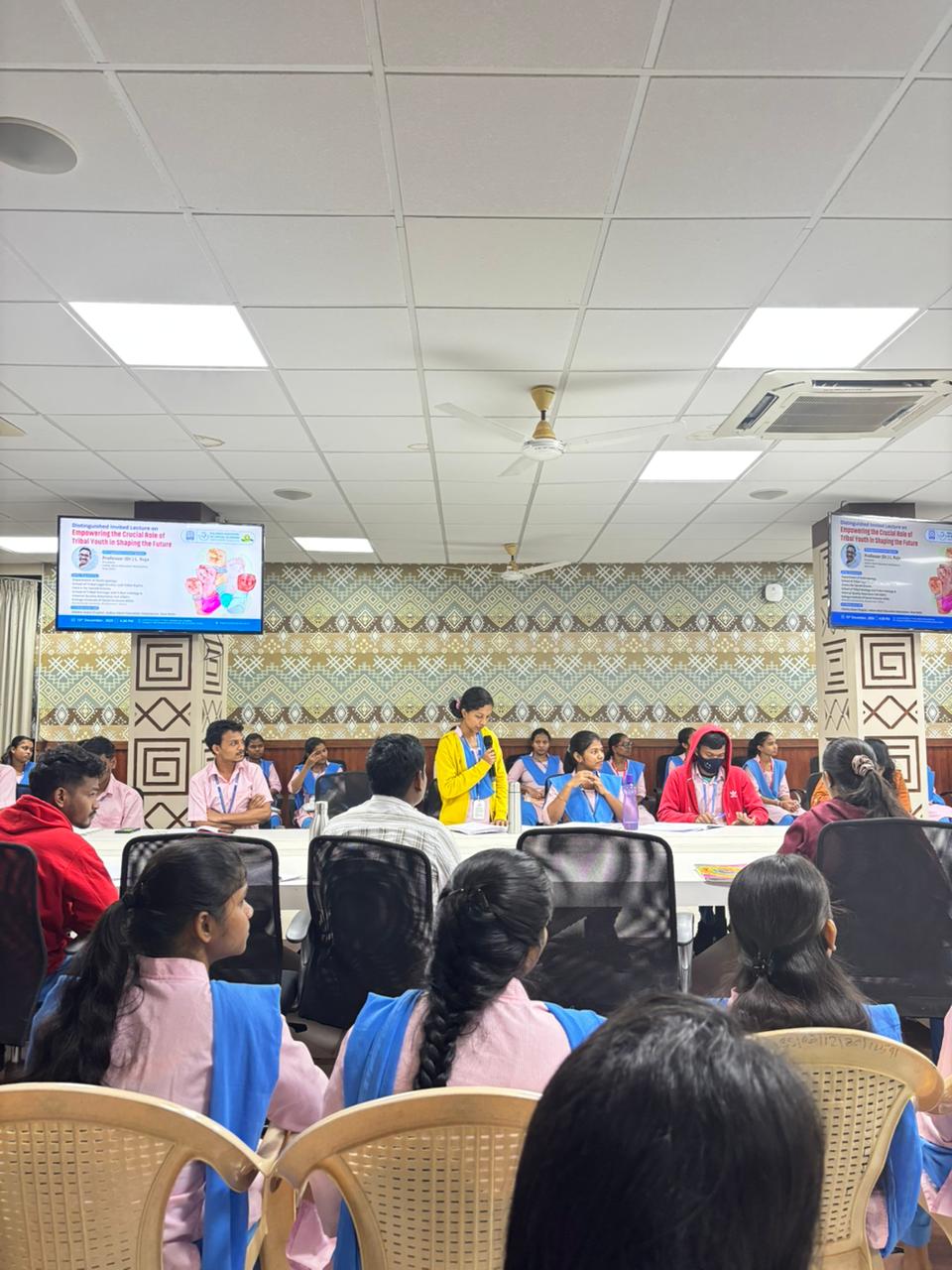
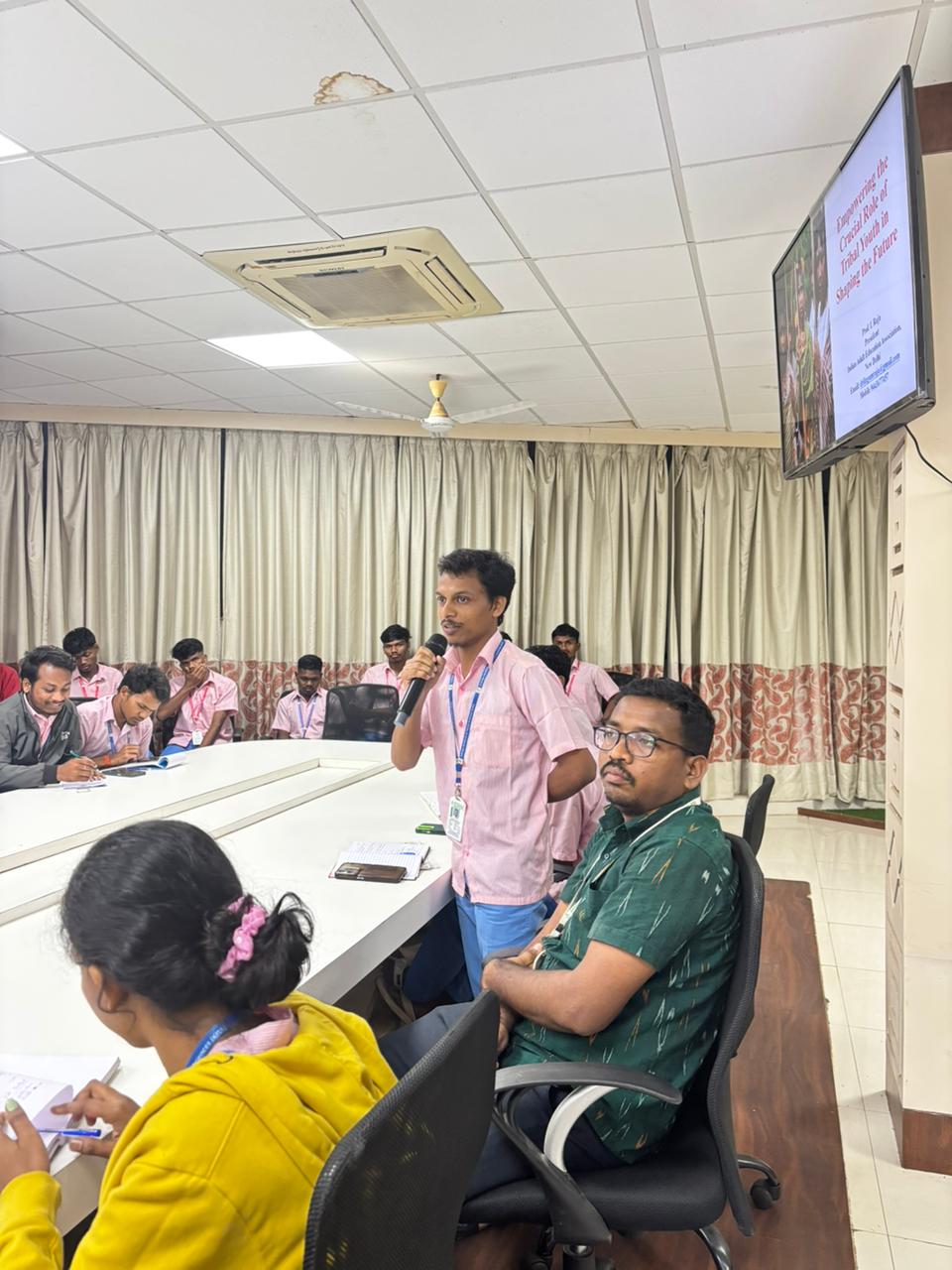
An interactive question–answer session followed, during which postgraduate students actively engaged with the speaker by raising pertinent questions related to education, employment, leadership, and community development. The discussion reflected a high level of academic curiosity and critical thinking among the participants.
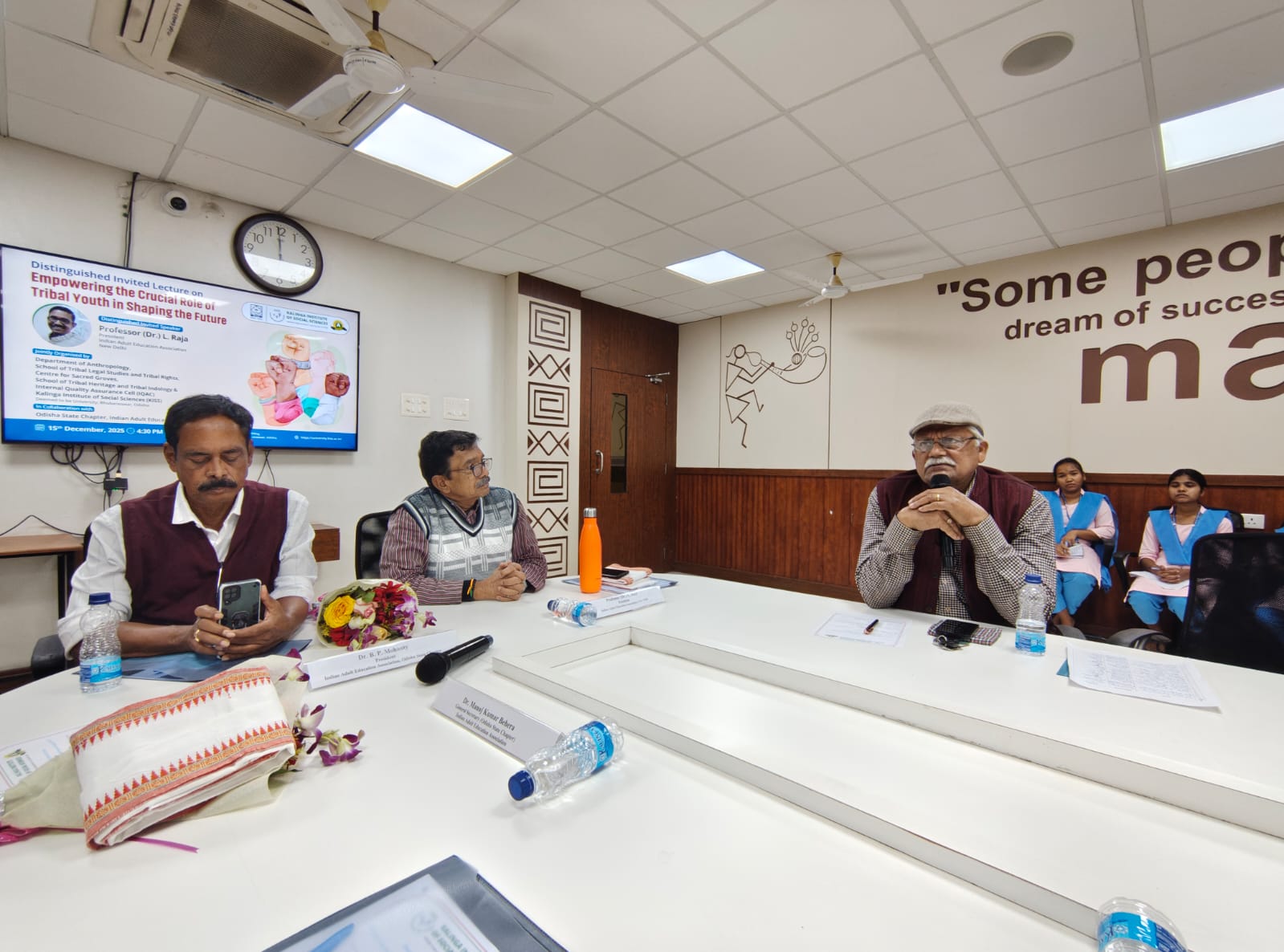
In his concluding remarks, Dr. B. P. Mohanty emphasized that tribal youth empowerment is not merely a developmental agenda but a national responsibility. He highlighted the importance of integrating education, skill development, and cultural values to enable tribal youth to emerge as confident leaders and change-makers in society. He appreciated the relevance of the lecture in addressing contemporary challenges faced by tribal communities.
Professor N. C. Dash, in his remarks, underscored the need for sustained academic engagement, policy support, and community participation in nurturing the potential of tribal youth. He stressed that universities like KISS-DU play a crucial role in bridging traditional knowledge systems with modern education, thereby fostering holistic and inclusive development. Both speakers commended the organizing departments for initiating such a meaningful and timely academic discourse.
The programme concluded with a formal Vote of Thanks by Dr. Manoranjan Mohapatra, who expressed gratitude to the distinguished speaker Professor L. Raja, other Guests, dignitaries, organizers, and participants for making the event a grand success.
Overall, the lecture was academically enriching and significantly enhanced student awareness and understanding of tribal youth empowerment and sustainable development.